Ford's August sales fell 10.3% year-over-year, driven by sharp declines in EV sales and a struggle across many popular models.
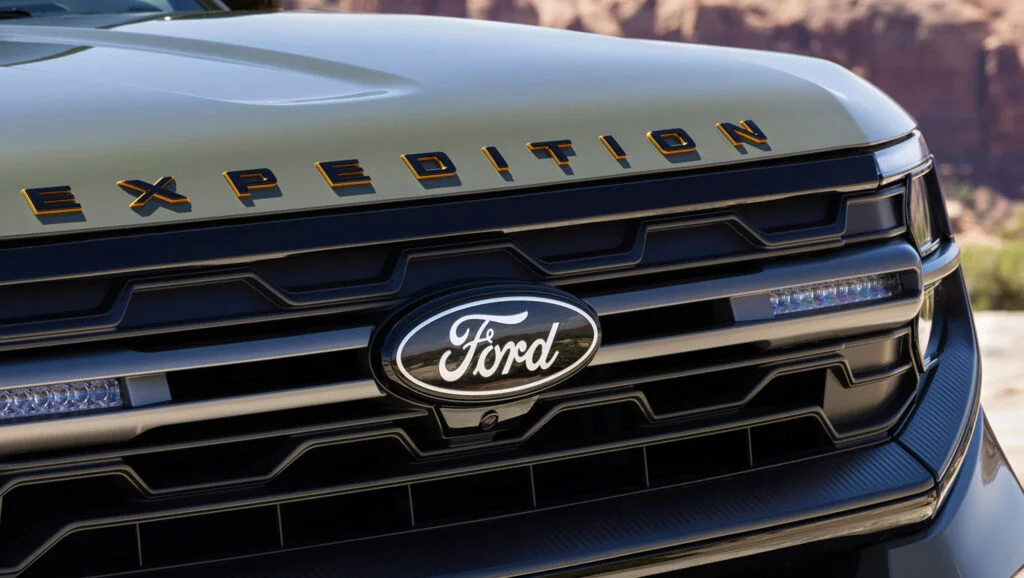
Ford's sales figures for August continue to reflect challenges within the automotive giant, with overall sales dropping by 10.3% to 170,681 units. This loss translates to nearly 20,000 fewer vehicles sold compared to the same period last year. A critical factor in this downturn has been the discontinuation of the Escape, which has noticeably impacted overall numbers. The Escape, a model that traditionally contributed significantly to Ford's volume sales, was not just another vehicle in the lineup. Its discontinuation sent ripples through the dealer network and consumer confidence, making it more difficult for Ford to attract buyers in a crowded market.
Electric Vehicle Sales in Decline
When it comes to electric vehicles, the situation appears even more troubling. Sales of Ford's EVs plunged by an astounding 79.4%, significantly affected by the discontinuation of the F-150 Lightning. Only 148 units of this electric pickup found buyers last month, marking a 95.4% decrease from August of last year. It's critical to look beyond the numbers here. The F-150 Lightning was expected to be a cornerstone for Ford as it attempted to pivot toward electrification. Losing sales to such a degree raises questions about the company's strategy in the rapidly changing EV market, particularly as competitors deliver models that resonate better with consumers.
Additionally, the Mustang Mach-E struggled, witnessing a 72.5% drop in sales, falling to just 1,989 units sold. This isn't an isolated incident. Many buyers last year were driven by limited-time incentives, such as tax credits that have since expired, creating a false sense of sustainability in demand. The real test for Ford lies in whether it can generate interest in its EV offerings without the crutch of incentivized purchases.
Sales Performance Overview
Excluding electric vehicles, Ford's total sales fell to 163,175 units for the month, largely driven by declines across various models, including the iconic F-Series. Despite being the top seller with 67,504 units, the F-Series endured a slight 1.2% year-over-year decrease, which equates to a loss of 814 units. The F-Series’ decline might seem minor at first glance, but it reflects deeper issues. This model has been a consistently reliable cash flow source for Ford, so even small dips can signify larger underlying problems.
The Explorer followed as the second best-selling model but also experienced a decline of 4%, selling 19,801 units. Meanwhile, the Maverick, popular for its affordability, managed to sell 13,680 units, marking a 14.4% increase in sales. The increasing popularity of the Maverick presents an interesting opportunity for Ford. If you're working in this space, targeting affordable segments may offer a clearer path to market recovery.
Interestingly, there were bright spots for models like the Mustang, which saw a sales increase of 12.7% to 3,647 units. The Bronco Sport also saw an uptick of 8.3%, whereas the traditional Bronco faced a decline of 8.8%. Such mixed outcomes reflect the complexity of consumer preferences, suggesting that while some segments may be recovering, others are still grappling with challenges.
Lincoln Division Performance
Lincoln's sales tell a mixed story. Overall sales for the luxury division dropped 10.4% to 7,506 units, heavily influenced by the phase-out of the Corsair, which fell from 2,526 to just 266 units sold. A luxury brand’s strength often rests on the appeal of its entry-level offerings, and with the Corsair struggling, Lincoln faces a tough uphill battle to improve its market image.
On a brighter note, Lincoln introduced the new 2027 Corsair, featuring a facelift and hybrid options. However, the starting price shot up by over $7,000 to approximately $46,495, which may impact its attractiveness in the competitive market. That's one way to turn heads, but you have to wonder if this price hike is aligned with consumer expectations.
Despite the broader declines, the Nautilus performed well, boosting sales by 28.9% to 3,627 units, while the Aviator saw a 22.4% increase in units sold, albeit at a lower volume of 1,732 vehicles. The Navigator, however, found a solid footing with a 15.8% rise in sales, suggesting some resilience within Lincoln's offerings. The question remains whether this growth is sustainable or simply reflective of short-term consumer behavior.
Future Considerations
The data from August paints a concerning picture for Ford as it grapples with challenges across multiple fronts. The aging product line, alongside significant reductions in electric vehicle offerings, underscores an urgent need for strategic shifts. With market dynamics evolving rapidly, Ford must reassess its approach to regain traction in both conventional and electric vehicle markets.
Implications for Ford's Strategy
What this means for you, especially if you're closely watching the automotive sector, is that Ford's current trajectory requires immediate attention. The company's struggles aren't limited to just sales figures; they could affect investor confidence and customer loyalty in the long run. In short, Ford's narrative must change—if it doesn't, it risks falling further behind competitors who are honing in on both the traditional and electric spaces with better—yes, smarter—strategies.
Strategies such as enhanced production of popular models like the Maverick or more competitive pricing for EVs might be necessary steps. The stakes are high, and Ford's ability to adapt could dictate its future in an industry that doesn't wait for anyone.

Discussion
Sign in to join the discussion.