Toyota's RAV4, hybrid-only and third best-selling in the U.S., is facing significant demand and supply issues, leading to long customer wait times.
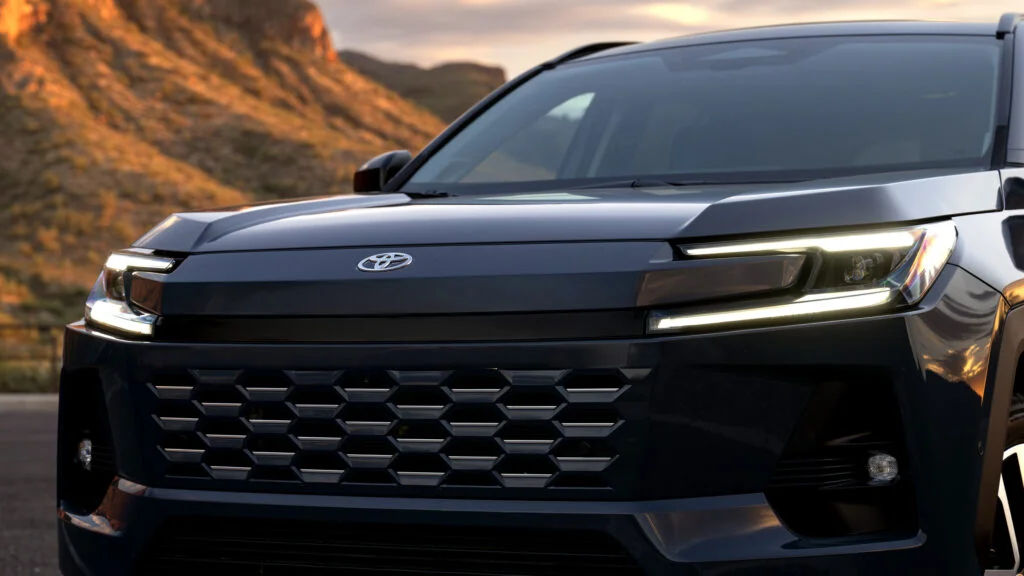
While Toyota has a strong reputation for reliability and value, its latest RAV4 model is highlighting an unsettling issue in the supply chain. With hybrid configurations becoming increasingly desirable, the company is grappling with major inventory shortages that leave many customers waiting months for their new vehicles.
Inventory Shortages and Lengthy Waiting Lists
The situation has escalated to the point where some dealerships are dealing with waiting lists reminiscent of exclusives seen in luxury brands. As of recent reports, one California dealership had over 800 customers queued for the RAV4, further emphasizing what appears to be a persistent struggle to meet the surging demand. This is more significant than it looks, not just for consumers but for Toyota's broader brand reputation.
The stark reality is that such inventory shortages can severely impact a company's market position. Waiting lists of this nature not only frustrate customers but can also drive them to competitors. Given that many drivers are reevaluating their choices in the face of rising fuel costs, any missteps in inventory management could be detrimental to Toyota’s standing as a go-to brand for reliable vehicles.
At Colonial Toyota in Milford, Connecticut, owner Bobby Crabtree noted that his lot could accommodate an additional 250 vehicles but is understocked. "We'd certainly like to have more RAV4s available," he remarked, conveying frustration over the lack of supply options for customers. This isn't an isolated comment, but rather a prevailing sentiment among dealership owners struggling to present consumers with appealing purchasing options.
Consumer Experience and Patience Tested
For buyers like Nancy and Ira Berman, the wait has been palpable. The couple ordered their RAV4 in March and are only now on the verge of taking delivery, over six months later. Nancy described the delay as a "slight annoyance," a sentiment echoed by many as they opt to stick with existing Toyotas in the interim. This adjustment period is not just about moments lost; it’s causing potential buyers to reconsider their loyalty to the brand.
According to industry analysts, the prolonged wait times can send mixed signals to consumers, who may begin to question whether sticking with a brand that they have traditionally trusted is worthwhile. While many seem willing to wait, there's always a risk that alternatives may catch their eye during the interim. If you're working in this space, you'll need to keep an eye on consumer sentiment as these shipping issues unfold.
Challenges in Production and Global Supply Factors
When launching the hybrid-only RAV4, Toyota indicated it could face supply challenges due to factory retooling and reliance on exports from Japan and Canada. The situation worsened with disruptions from global events, particularly the conflict in the Middle East, which contributed to cuts in Japanese production. These factors paint a troubling picture of vulnerability for a manufacturer that has long prided itself on streamlined operations.
Production Insights from Kentucky
The production ramp-up process at Toyota's Kentucky plant is underway, but it isn’t producing vehicles fast enough to alleviate dealer shortages immediately. Toyota is still catching up with demand that has exceeded pre-launch forecasts. This isn't simply a matter of adjusting machinery; it's also about recalibrating logistics, labor, and supply chain dependencies that have been affected globally.
Data shows that the ongoing supply crunch has impacted Toyota's sales capacity dramatically this year. Industry experts estimate the company has missed out on tens of thousands of potential sales due to insufficient inventory levels, which may affect their competitive standings for some time to come. In a market where every sale counts, failing to address production gaps could have long-standing repercussions.
Shifting Consumer Preferences and Market Dynamics
Despite these challenges, consumer interest in the RAV4 remains strong. The hybrid model is particularly appealing amid rising gas prices, and it accounted for about 18 percent of U.S. new vehicle sales this year, according to JD Power. This trend speaks volumes about the changing preferences of American drivers as they seek more fuel-efficient options in light of both economic pressures and environmental concerns.
Last year alone, the RAV4 was the third best-selling vehicle in the U.S., with nearly 480,000 units sold—trailing only the Ford F-150 and Chevrolet Silverado. As Toyota navigates these supply chain hurdles, it'll need to recalibrate its production strategy to ensure it can meet the demands of an eager customer base. The landscape for hybrid vehicles is evolving rapidly, and Toyota can't afford to lag behind as more competitors enter the market.
Significance and Future Outlook
The market's reception to the RAV4 underscores the importance of adaptability in the automotive sector, particularly in times of heightened environmental focus and the pressing need for sustainability through hybrid technology. This reality shapes consumer choices and expectations in profound ways.
Ultimately, as production catches up with demand, one can anticipate that Toyota will benefit significantly from its strategic pivot towards hybrid vehicles, which are increasingly proving to be a savvy choice for consumers in light of economic factors. Yet, the road ahead is fraught with challenges that the company will need to navigate carefully – from overcoming the lingering impacts of supply chain interruptions to reconsolidating its reputation in an ever-competitive vehicle marketplace.

Discussion
Sign in to join the discussion.