Supercar owners from the UAE and Qatar are racking up parking tickets in London, with only a fraction ever being paid, highlighting enforcement challenges.
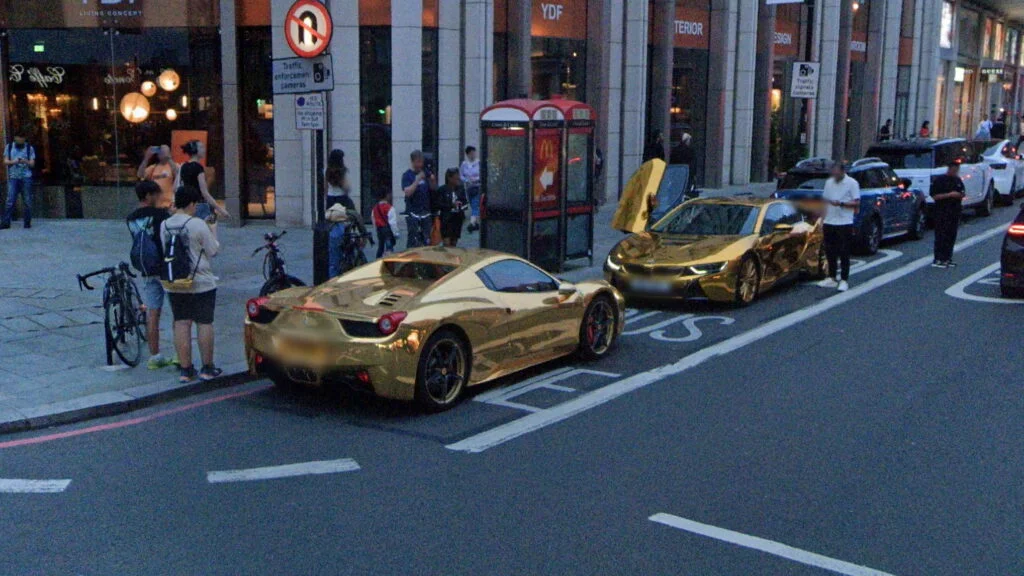
In a rather troubling trend for London’s affluent neighborhoods, supercar enthusiasts, particularly from the Gulf regions, are treating parking fines like mere suggestions. Wealthy tourists are shipping their luxury vehicles to London, indulging in sun-soaked vacations, all while accumulating a staggering number of parking tickets. This phenomenon reflects not just a disregard for local regulations but also a systemic problem affecting urban management and civil compliance.
The Wall Street Journal reports that supercars adorned with plates from the UAE and Qatar last summer congested London streets, with these high-end models often parked in violation of local laws. Astonishingly, Qatar-registered vehicles alone received over 2,570 tickets in Westminster during the previous year. Those statistics are more than just numbers; they’re a flashing sign of how urban policies struggle to adapt to the influx of wealth and the transient nature of foreign visitors intent on enjoying the city's luxury offerings.
The Accountability Crisis
This issue isn't just about flashy vehicles but rather the lack of accountability for drivers who seem indifferent to fines averaging between $150 to $215. Westminster’s latest figures suggest that enforcement is an uphill battle; of the 13,423 tickets issued to UAE-registered cars from 2018 to 2022, only 1 percent were paid. Such statistics reflect a broader systemic challenge faced by authorities when it comes to collecting fines from foreign-registered vehicles. In a city where parking violations can contribute substantially to municipal revenue, the unwillingness of these high-profile offenders to clear their debts puts a strain on local budgets.
Disregard for Local Regulations
Luxury cars like Ferraris, Lamborghinis, and McLarens often occupy spaces intended for loading, taxis, and buses, with renowned shopping location Harrods becoming a frequent hotspot for illegal parking. In one notable incident, a driver returned to find a $400,000 Ferrari Purosangue sporting an unpaid citation, and when questioned about settling the fine, he casually dismissed it. This incident starkly highlights a troubling trend among the wealthy: a blatant nonchalance toward the rules that govern civic life.
The sheer volume of unpaid fines raises significant questions about enforcement efficacy. London's streets, bustling with both locals and tourists, are becoming arenas of disregard for basic laws designed to maintain order. The current situation sees British authorities grappling with the complexities of collecting overdue payments from foreign car owners. Many registration details cannot be obtained from outside Europe, leaving local officials hamstrung in their efforts. That's not just a technical loophole; it's a policy failure that undermines the foundation of civic trust.
The Enforcement Dilemma
Ironically, the real obstacle in tackling these violations lies in the enforcement mechanisms themselves. The UK government has clarified that it cannot share vehicle-keeper information internationally. This restriction eliminates one potential solution to the increasing problem. While local councils have the option to engage international debt collection agencies after offenders leave the UK, such efforts are often stymied by the wealth and status of these offenders. It's almost as if they operate under an unwritten code that their financial resources put them above local law.
Moreover, some supercar owners might spend nearly $34,000 just to transport their vehicles cross-continental. What’s stopping them from treating fines like pocket change? This unnerving trend raises serious questions about how local authorities can level the playing field in terms of accountability. If the wealthy can skirt around regulations without consequence, what message does that send to everyday citizens who must adhere to the same rules?
Future of Property Enforcement
Currently, Westminster asserts that it handles traffic violations against overseas drivers the same as those domiciled in the UK. However, the government has expressed no intention of extending powers to confiscate vehicles linked to unpaid penalties. Historical testimonies pointed out that foreign-registered vehicles often evade necessary enforcement actions related to congestion and parking regulations. The lack of robust measures feeds into a larger narrative of privilege versus the public good.
Until local authorities can find a viable solution to enforce parking rules effectively against non-resident supercar owners, this issue seems set to persist. Wealthy visitors might continue to relish their time in London's upscale areas, leaving ticketing issues—and sizable fines—in their wake. If you're working in this space, you can appreciate the wider implications: a need for policy shifts that account for the realities of a globalized urban landscape. This isn’t just a matter of fine-tuning; it’s about re-examining the principles that govern civic life and ensuring that they hold true for everyone, regardless of their bank balance.
Implications and Future Outlook
The implications are far-reaching. This situation signals a stark division between the affluent and the average citizen. As enforcement struggles with inefficiencies, public sentiment may sour against wealthy foreigners who appear to flout local laws with impunity. Policymakers might have to consider more stringent regulations or even rethinking the tourism model that lures these high-spending visitors. After all, there’s a tipping point where the benefits of their spending could be overshadowed by the challenges they bring.
And this is the part most people overlook: without a commitment to maintaining law and order, mere compliance becomes a distant hope rather than a reality. The longer this issue festers without resolution, the more it could erode public trust in governing bodies, further complicating relationships between local authorities and citizens. The status quo won’t last indefinitely; change is necessary, whether through technology-driven enforcement mechanisms or new legislative frameworks. It's time to rethink how these urban spaces operate and ensure that local laws are respected by all.



Discussion
Sign in to join the discussion.