The national average price of diesel has hit $6 per gallon for the first time, driven by tight global supply and depleted U.S. inventories.
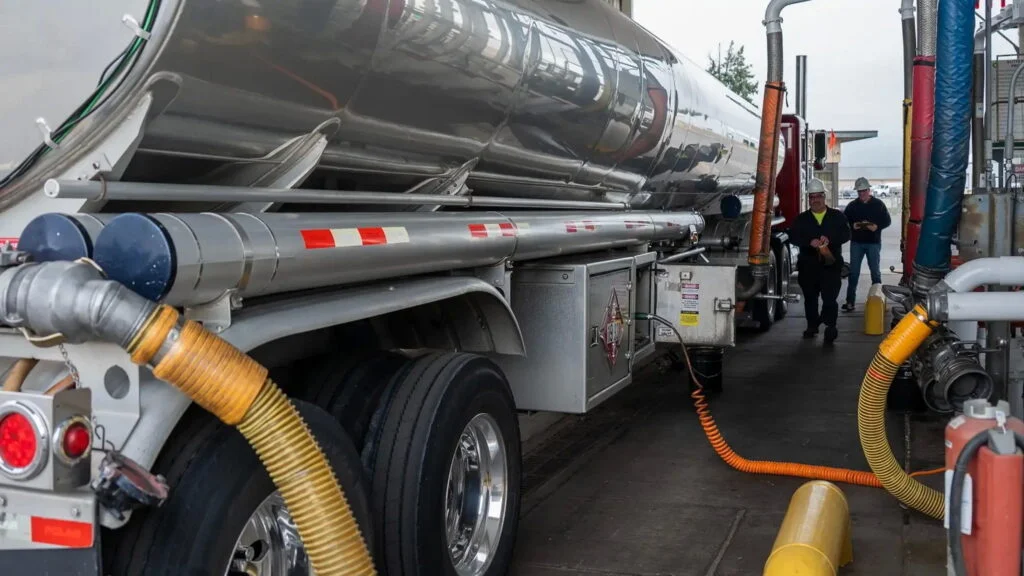
The Surge in Diesel Prices: A Snapshot
The surge in diesel prices has reached a new milestone, with the U.S. national average exceeding $6 per gallon for the first time. This dramatic increase reflects a near doubling from the same period last year, where prices hovered around $3.70 per gallon. Such stark figures are troubling, especially since diesel is pivotal to various sectors. Key factors influencing this spike include constrained global supplies and dwindling domestic inventories, combined with rising demand in an economy recovering from the pandemic.
A Closer Look at Price Increases
According to reports from GasBuddy, the average diesel price hit $6.0556 recently, showcasing significant jumps from $5.9773 just a day prior and from $5.3213 a month ago. What’s striking is that compared to 2022, these figures represent an enormous increase of approximately 63% within just one year. This surge isn't merely a statistic; it’s a warning sign of the pressures mounting on the economy. With oil witnessing volatility, many wonder if this is a short-term spike or part of a longer-term trend.
The Industries Affected
Diesel isn’t just a fuel; it's integral to key sectors like agriculture, transportation, and construction. These industries are deeply intertwined with diesel prices. Trucks and heavy machinery rely heavily on this fuel, and the ripple effect of rising costs permeates the entire supply chain. If you’re working in this space, this means you're facing tighter margins and potential disruptions. Costs will likely get passed down to consumers, leading to increased prices for goods. Every truck, every delivery, every package, and every grocery run just got more expensive.
Global Market Dynamics
This spike coincides with significant disturbances in global oil markets. Factors like reduced oil supply from Middle Eastern producers, disruptions in Russian refining and exports, and diminished fuel exports from China have exacerbated the situation. The interplay of these elements has left U.S. inventory in a precarious state, where the usual safety net simply isn’t there. This isn't an isolated phenomenon; similar systems typically experience shocks during geopolitical tensions or natural disasters, demonstrating the fragile balance of global energy supply.
Distillate Inventories at Risk
The Energy Information Administration (EIA) has indicated American distillate inventories, which encompass diesel, are falling dangerously low, recently hitting levels below what's typical for this time of year. The EIA's latest forecast suggests these inventories could dip below 100 million barrels this September, remaining at low levels through 2026 and into 2027. This projection raises a red flag about sustaining demand and supply. In times of crisis, low inventory levels could incite competition for available resources, potentially pushing prices even higher.
The Broader Economic Implications
The ramifications of escalating diesel prices extend beyond mere gas expenses. Industries that rely principally on diesel now face substantial pressures, which could shift fuel costs onto consumers. This reality could spark inflationary trends in key sectors like food production and construction. And yet, the average consumer may not fully grasp how deeply intertwined these dynamics are with their day-to-day lives. Rising costs might prompt budget reevaluations and shift consumer behavior, as families are forced to make difficult financial choices.
Future Projections
Looking ahead, the EIA projects a decline in diesel prices to around $5.55 per gallon by the fourth quarter of this year, with further drops to about $4.40 by 2027. However, forecasts in this volatile energy market are fraught with uncertainty. The influence of global events—like geopolitical tensions or natural disasters—remains a significant variable. Therefore, while the predictions provide a glimmer of hope, they must be taken with caution. If you're in business or planning a budget, brace for fluctuations, because it could be a bumpy ride ahead.
Conclusion: What's Next?
The diesel price surge embodies a significant concern, as it impacts countless everyday activities that rely on this essential fuel. Unlike niche automotive choices that may appeal primarily to enthusiasts, escalating diesel costs will ripple through the broader consumer market, affecting prices for everyday goods and services. For now, with the U.S. diesel price now in unprecedented territory, both businesses and consumers should prepare for the potential impact on their budgets and operations. Pay attention, because this situation is more significant than it looks.



Discussion
Sign in to join the discussion.