BMW's new 3D mapping technology aims to enhance driver understanding of semi-automated systems, rolling out in select vehicles by 2026.
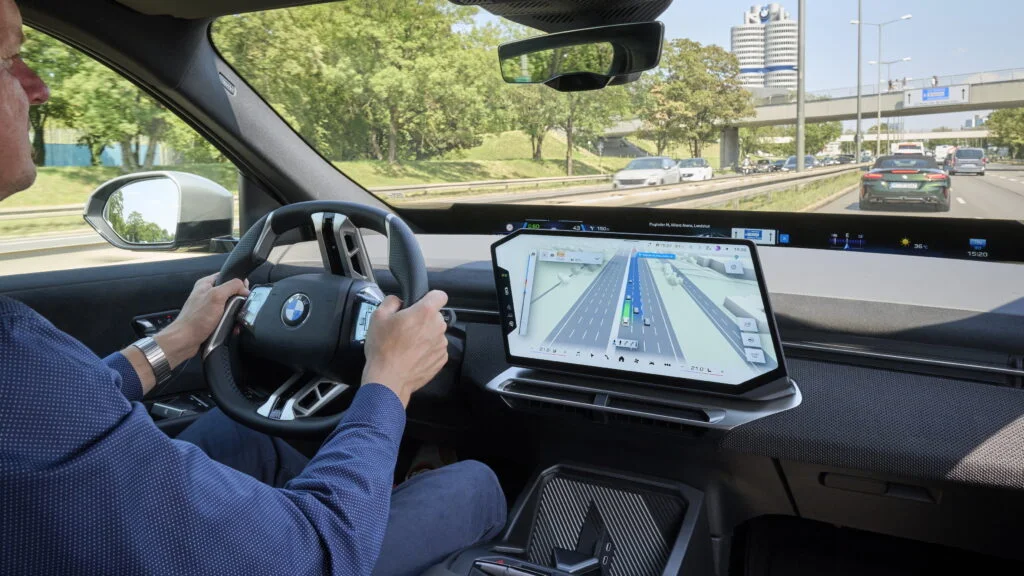
BMW's Vision for Enhanced Driver Awareness
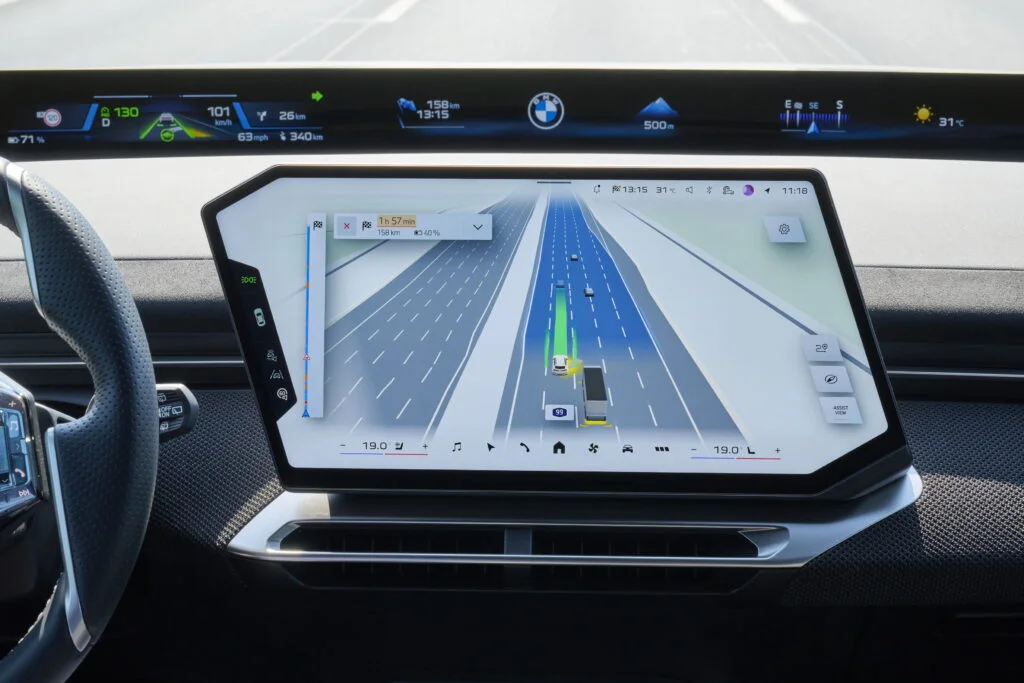
BMW is poised to elevate the driving experience with its upcoming 3D mapping feature, an initiative that integrates navigation, vehicle surroundings, and real-time assistance data into a cohesive visual interface. This approach is intended to demystify the often-complex automated driving decisions for users. Understanding how a vehicle interprets its environment is vital, especially as autonomous features become more commonplace. If you're working in this space, you can appreciate how clarity in technology can enhance user trust and ultimately influence adoption rates.
Rollout and Capabilities
The new mapping feature is set to be available starting October 2026 for vehicles equipped with BMW's Operating System X, particularly those featuring its Highway Assistant and Highway & City Assistant functionalities. This integration significantly enhances the user experience by allowing the system to visually represent the vehicle's position within the correct lane and road level. This capability becomes critically important during complex driving situations, such as navigating interchanges or busy city streets, where spatial context can often dictate driver confidence.
In many ways, this level of clarity could influence how drivers interact with their vehicles. There's a psychological aspect at play here: when drivers can see not only their path but also what the car "sees," they may feel a greater sense of control, even as they rely on technology for assistance. That said, the ability to present such detailed information relies on reliable and immediate data, putting pressure on BMW’s infrastructure to perform flawlessly in various driving conditions.
Technology Behind the Feature
Manufactured internally by BMW, this innovative mapping system takes advantage of Mapbox's navigation data and mapping technology. This collaboration prevents drivers from juggling separate maps and assistance graphics. Instead, the 3D view synthesizes these essential elements into a unified interface, granting users clearer insights into their vehicle's context on the road. This technology aims to make navigation intuitive, reducing the cognitive load on drivers and allowing them to focus more on the journey itself.
But here's the thing: despite the sophistication of the visuals, the effectiveness of this mapping feature will largely depend on consistent data quality. Drivers shouldn't overlook potential pitfalls associated with relying on third-party data services like Mapbox, particularly in less urbanized areas where data may not be as accurate or timely. As with any tech integration, there's a balance between dependency and independence that needs careful management.
Driver Responsibility and Limitations
It's important to grasp that the new feature won't transform the vehicle into a fully autonomous system. Rather, it complements BMW’s existing Highway Assistant 2, which already handles critical driving tasks such as acceleration, braking, and steering at speeds of up to 81 mph (130 km/h). While this system can assist throughout an entire route—from entrance ramp to exit—drivers still bear full responsibility for overseeing the vehicle’s operations.
This feature categorizes the vehicle as a Level 2 automation system. While it undoubtedly offers significant benefits, it also places the onus back on drivers to remain engaged and alert, avoiding the temptation to become overly reliant on advanced features. The danger lies in complacency. (And this is the part most people overlook.) The thrill of hands-free driving can lead to a false sense of security, and drivers must continually remind themselves that full attention is a necessity, especially when strategies for dealing with unexpected road scenarios must rely on human judgment.
Future Developments
The initial rollout will focus on a few select regions, with Germany expected to introduce navigation-guided semi-automated urban driving by 2027. However, other markets are likely to follow once the technology proves itself in these test locations. As specific details regarding availability in the United States remain undisclosed, industry watchers are closely monitoring these developments. The implications for personal transport are significant. The potential for further market penetration hinges on how well BMW interprets user feedback and refines its features.
In an industry where innovation can feel like a relentless race, the balance between embracing technology and ensuring user comprehension becomes paramount. BMW's 3D mapping initiative stands to be a critical juncture, not only for the company but for the automotive sector as a whole. Future iterations may focus not just on enhanced visuals, but also on adapting to user needs in real-time, reflective of how today's drivers think and operate on roads.



Discussion
Sign in to join the discussion.