Mazda's US sales soared by 31.9% in September, with notable demand for the MX-5 and impressive performance across its SUV lineup.
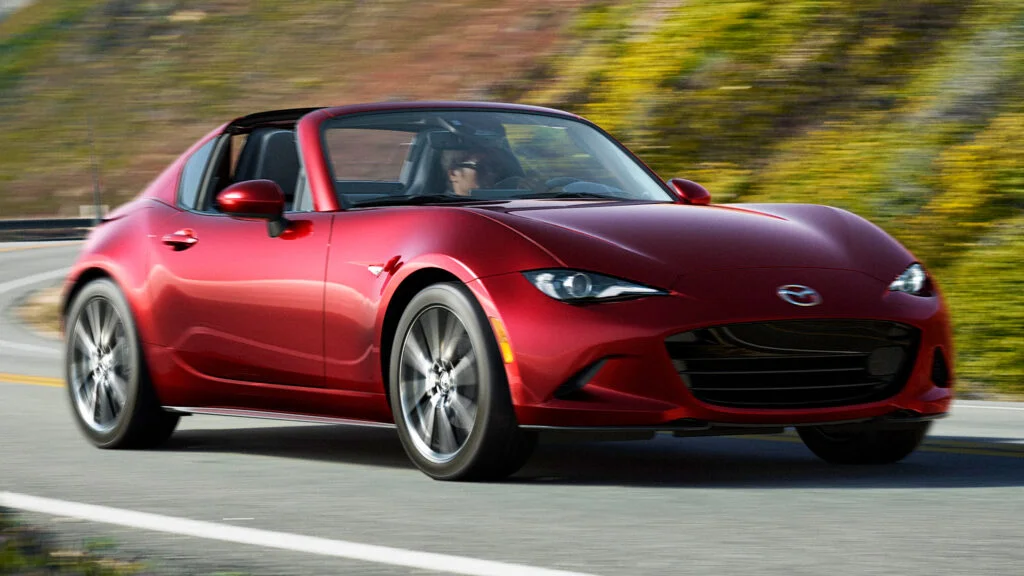
Mazda enjoyed a remarkable uptick in sales last month, with total units sold increasing by 31.9% year-over-year to 34,519 vehicles. This surge reflects heightened demand across the brand's lineup, including the popular Mazda MX-5, which saw a 31.5% increase in sales despite being over ten years old. Clearly, enthusiasts are still drawn to its engaging driving experience.
In concrete numbers, Mazda sold 689 MX-5 models in September, up from 524 units in the same month last year. The year-to-date sales for the MX-5 have risen by 4.1%, totaling 7,589 units, split between 3,909 standard convertibles and 3,689 RF versions. This consistency in demand for a decade-old model underlines the enduring appeal of the MX-5.
Strength in SUV Sales
Leading the charge last month was the newly revamped CX-5, which recorded a 37.8% increase in sales with 11,345 units sold. However, year-to-date figures show a drop of 9.5% to 95,762, likely influenced by the transition from the old model to the new generation. While a significant jump in a single month garners attention, it’s the overall trajectory that counts. The pivot to a new generation can sometimes alienate loyal customers, particularly if they prefer characteristics from previous models.
Mazda's CX-50 continues its upward trajectory as well, with 9,147 units sold in September, marking a modest increase of 3.1%. Year-to-date, the CX-50 sales have surged by an impressive 19.7%, reaching 95,351 units. This growth signals that the CX-50 is meeting market expectations effectively, and customer acceptance is crucial, especially in a highly competitive SUV market.
(And this is the part most people overlook). Given Mazda's prior reputation for sedans, this pivot to SUVs is significant. Their ability to garner interest in larger vehicles suggests a solid restructuring of their product strategy, aligning with broader market trends.
September also brought positive results for the CX-70, which saw a staggering 96.7% rise in sales with 1,296 units sold, while CX-90 sales increased by 49% with 4,632 units delivered. Nevertheless, both models have experienced a decline in their year-to-date totals, reflecting some inconsistencies in the broader sales trend. A stark spike in monthly sales can be deceptive; it's all about sustained growth over time.
Other notable mentions include the Mazda3, which posted a significant rebound with a 146.9% increase to 3,704 units sold, demonstrating strong consumer interest amid competitive stock. The CX-30 also showed resilience, rising by 13.3% with 3,706 units sold. The MX-5's enduring charm and the Mazda3's recent resurgence reveal a diverse portfolio that appeals to various consumer segments.
Analysis of Mazda's Market Position
Despite the impressive surge in sales for September, Mazda's overall year-to-date performance has not managed to surpass last year's figures. The brand appears to be navigating a complex market environment, where newcomer models generate excitement while legacy options like the CX-5 transition to newer variants. This situation presents a dual challenge: maintaining interest in established products while also driving fresh engagement with new offerings. If you're working in this space, it's clear that consumer loyalty can be fickle.
The evolving automotive landscape requires automakers to respond to shifting consumer preferences quickly. This flexibility is key. If they can sustain current sales momentum, future growth seems probable. But here's the thing: sporadic spikes in sales figures must translate into long-term stability. It isn’t just about one-off successes; maintaining a reliable trajectory is what really matters for investor confidence and brand reputation.
Ultimately, Mazda's latest sales performance positions it well as it seeks to balance its classic appeal with the innovations emerging through its newer offerings. An effective mix of leveraging the nostalgia associated with legacy models while injecting fresh energy into their vehicle lineup could work wonders. Addressing consumer desires effectively will be the critical factor for Mazda to watch in the coming months.
Implications and Future Outlook
Mazda's sales results indicate a strong potential for not only recovery but growth if they can navigate the pitfalls of market volatility successfully. The rapid increases in certain models hint at a degree of consumer enthusiasm that's hard to overlook. However, that enthusiasm could easily wane if the company fails to continue providing the desired product experience or if competitor offerings reshape the market.
The significance of returning buyers shouldn’t be underestimated. It suggests that Mazda has a loyal base willing to invest in their offerings. If they can tap into this base while also attracting new customers—with targeted marketing and delivering quality vehicles—they might exceed prior sales averages in future quarters. By keeping an eye on their competition and innovating thoughtfully, Mazda could redefine its path in an increasingly crowded automotive market.
With the landscape continuing to shift towards electrification and sustainability, another layer of complexity is added. The road ahead isn’t just about selling more vehicles; it’s about understanding where electrification fits in and ensuring that Mazda’s brand identity doesn’t dissipate in the transition. Ensuring they remain relevant is now more pressing than ever.

Discussion
Sign in to join the discussion.