The automotive industry has seen its fair share of ill-fated nameplates, with some reappearing despite past failures.
As Halloween approaches, let's reflect on automotive nameplates that have been 'cursed' by poor sales and lackluster receptions. Automakers invest heavily in vehicle development, but even substantial financial backing can't guarantee a model's success. Many factors can lead to a model's downfall, from misguided design choices to changing consumer preferences. This isn’t just a story of bad luck; it's a complex interplay of market forces, brand perception, and timing.
The Cautionary Tale of the Edsel
Take the Edsel, for example. Launched on September 4, 1957, this Ford creation aimed to make a splash in the marketplace. Ford poured an estimated $250 million into the Edsel project—a staggering sum at the time—targeting the middle-class consumer. Despite initial hype and a decent first-year sale of 63,110 units, perceptions quickly soured. Many viewed the vehicle as a rehashed Ford with strange styling, unable to stand out in an era where American cars were often defined by their bold designs. The unique “horse collar” grille, intended to be a signature feature, became a punchline instead.
Sales plummeted almost 30% in the second year, leading to its discontinuation in 1959—within just two years. The Edsel represents a significant moment in automotive history; it serves as a case study in how consumer expectations can easily turn. For every grand vision that an automaker envisions, public reception can be unforgiving. Even innovative ideas can flop if they fail to connect with the target audience. It's a harsh reality that echoes across decades in numerous industries.
The Acura ZDX Misfit
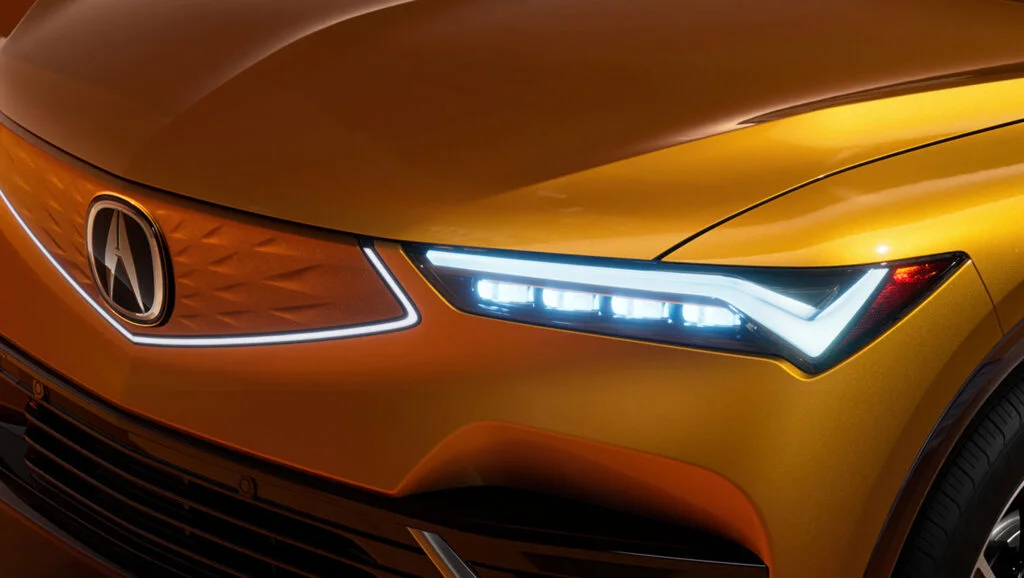
But Edsel wasn’t the only casualty in the automotive arena. The Acura ZDX epitomizes a nameplate plagued by misfortune. Released in 2009 as a crossover coupe, it barely made a mark. Selling fewer than 7,191 units by the end of its run in 2013, the ZDX's unconventional design didn't resonate with consumers. Its mixed signals—straddling the line between a sporty coupe and practical SUV—left many confused about its purpose. In a market increasingly leaning towards utility and practicality, the ZDX was caught in the crossfire.
Fast forward to today, and Acura is resurrecting the ZDX—this time as an electric crossover. Produced by GM, the new ZDX is positioned as a competitor to the Honda Prologue, emphasizing performance and electric efficiency. The performance-oriented Type S variant is particularly eye-catching with a formidable 499 hp and 544 lb-ft of torque. However, the high starting price of $64,500 coupled with a limited range of only 278 miles makes it a tough sell in a competitive market. If you're working in this space, you'll know that EV competitors are becoming increasingly fierce, with several brands offering more range and features at lower prices. Is the ZDX doomed to repeat history?
Even with a slight uptick in interest, only 7,391 units were expected to be sold in 2024 before the ZDX was discontinued in fall 2025 after just one model year. Such figures raise questions about Acura's positioning strategy. Can they genuinely create a compelling case for such limited offerings in a market flooded with choices?
A Missed Opportunity: The RSX
Interestingly, the woes didn’t stop with the ZDX. The RSX nameplate was set to make a comeback on another electric crossover, but those plans were shelved. This left enthusiasts to reminisce about the iconic Integra, a nameplate that has retained a certain reverence among car aficionados. Enthusiasts often crave a sense of legacy, so not revisiting successful models might create a disconnect between brands and their consumer base.
These examples highlight how even well-respected brands can stumble with certain nameplates. The Edsel and ZDX remind us that even the biggest automakers can misjudge consumer desires. The automotive industry is littered with once-promising nameplates that never found their footing. This trend illustrates how the convergence of market research, design philosophy, and consumer trends is anything but predictable.
Looking Ahead: The Significance of Nameplate Success
What this means for you, the consumer or industry observer, is that the fate of a vehicle is often precarious. Car manufacturers might have the latest technology, but if marketing and design aren't in sync with what consumers actually want, success can be fleeting. The significant investment in developing a new nameplate doesn’t equate to guaranteed market acceptance. As automakers shift to electrification, they must navigate a landscape where consumer preferences are still forming. Will they repeat past mistakes, or will they manage to create sustainable, popular offerings?
In this context, the cautionary tales of the Edsel and ZDX serve as reminders. Everyone loves a good comeback story, but history shows that manufacturers must adapt and listen if they want to avoid letting another "cursed" nameplate go down in history.
What’s your pick for the most cursed nameplate in automotive history? This discourse goes beyond simple opinion—it speaks to the heart of how brands interact with their audiences and the consequences of miscalculation.
Discussion
Sign in to join the discussion.