Albuquerque and Portland are piloting a traffic light system that rewards compliant drivers with green lights, showing promising results in speed reduction and safety.
Reinventing Traffic Management
Albuquerque in New Mexico and Portland in Oregon are experimenting with a novel approach to traffic control designed to enhance safety while improving travel times. By employing a strategy known as "rest in red," both cities are rewarding drivers who adhere to posted speed limits with more green lights. This mechanism aims to create a more harmonious balance between speed and safety on the roads. However, the effectiveness of such strategies hinges not only on technology but on driver compliance and behavioral change, creating questions about long-term sustainability.
The Mechanics of "Rest in Red"
In this system, traffic signals default to red when no vehicles are detected. Sensors track approaching cars, monitoring both their speed and their compliance with the legal limits. If a driver maintains the speed limit, the signal can turn green earlier, facilitating a speedier journey overall. This effectively transforms the traffic light into a speed management tool that encourages compliance without the traditional penalty of a ticket. This approach not only has the potential to reduce frustration at intersections but also addresses the dual challenge of congestion and safety.
Portland has termed this method a "virtual speed bump," particularly useful in areas where roadways see heavy traffic but can turn into racetracks during late hours. The emphasis here is significant; instead of penalizing drivers for speeding, the city creates incentives for safe driving. By shifting the emphasis from punitive measures to incentivizing compliance, cities aim to reduce reckless driving behaviors. Given the widespread impatience often exhibited by drivers at signals, such strategies could indeed modify traffic dynamics positively if adopted widely.
Metrics and Impact in Portland
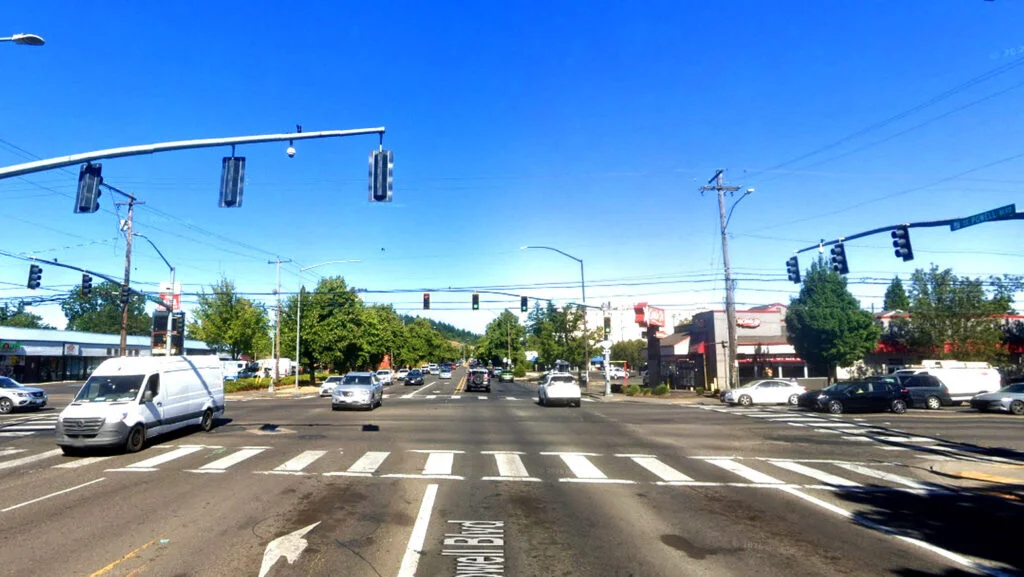
One application of this system on Portland's Southeast Powell Boulevard—recognized as one of the city’s most dangerous roads—has reported significant results. Officials noted that average speeds plummeted from 39 mph (63 km/h) to the compliant 30 mph (48 km/h) shortly after implementing the system. This dramatic drop indicates a substantial change in driver behavior, which is remarkable in a city known for habitual speeders on busy corridors. Following this initial success, the city has expanded the "Rest in Red" initiative to several intersections along Powell Boulevard, reinforcing its commitment to traffic safety in high-risk areas. What this means for you is that if similar cities begin to adopt and adapt these strategies, we could be looking at wider trends toward safer driving environments across the nation.
Albuquerque's Data and Results
In Albuquerque, similar technology has been rolled out along Lead and Coal avenues, where residents had voiced concerns over accidents and speeding. The combination of "Rest in Red," automated speed enforcement, and strategically timed traffic signals has reportedly led to calmer traffic conditions. Though the exact impact of the "Rest in Red" component remains hard to quantify amid these multiple variables, initial indications suggest a positive trajectory for overall road safety. Consider the implications: if one city can achieve improved outcomes with these methods, it stands to reason that others may follow suit, presenting a ripple effect of more thoughtful traffic management practices.
A Shift in Perspective on Safe Driving
What sets this traffic management strategy apart is its positive reinforcement approach rather than the fear of penalties associated with speeding. The concept that responsible driving leads to tangible benefits—like catching green lights—can transform perceptions around speed limits. Many drivers may find this system a refreshing departure from traditional traffic enforcement methods, making safe driving feel less like a chore and more like a win. By making the experience rewarding rather than punitive, cities might cultivate a more respectful driving culture. And yet, whether this leads to genuine shifts in long-term behavior remains a pivotal point of analysis.
Implications for Future Traffic Management
As Albuquerque and Portland continue to refine these initiatives, the data collected will undoubtedly shape future traffic management policies. The implications extend beyond just these two cities; observing their outcomes could inspire others grappling with similar challenges. If the success of these systems becomes widely recognized, we might see broader adoption. Enhanced roadway safety and improved commuting experiences could become the norm rather than the exception. This represents an opportunity for towns and cities to rethink their strategies, prioritizing user experience alongside safety.



Discussion
Sign in to join the discussion.