Ford has recalled several F-150 models over fuel tank issues, axle problems, and seat belt failures, raising significant safety concerns.
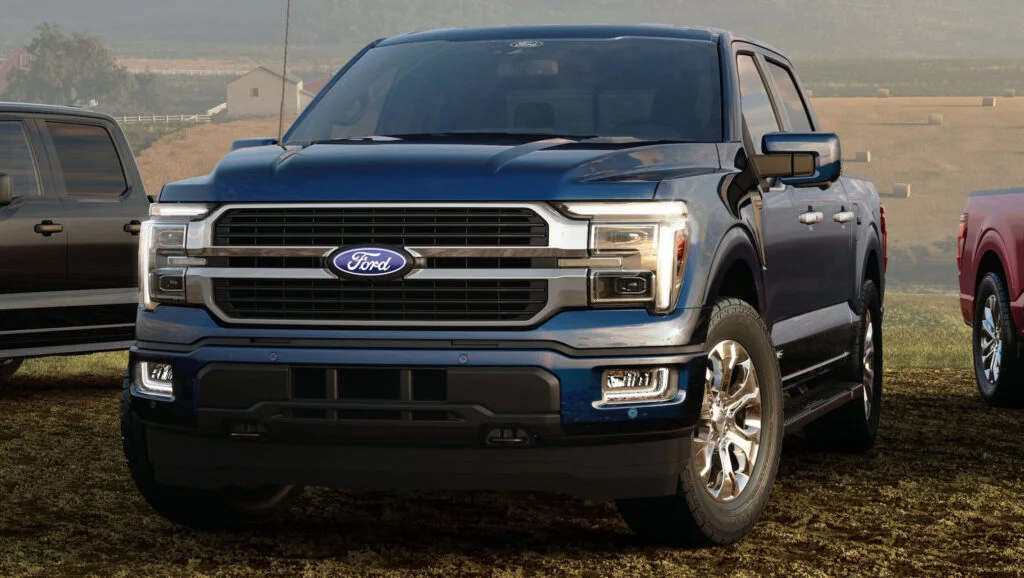
Ford is currently facing major quality control issues as it announces a new series of recalls, particularly affecting its popular F-150 lineup. A total of four recall campaigns, three of which focus on F-150 trucks, signal that the automaker is grappling with significant safety shortcomings at a time when it also boasts accolades for initial vehicle quality.
Fuel Tank Concerns Spark Widespread Recall
The largest recall involves around 223,472 F-150s from the 2023-2027 model years. The concern here is alarming: the fuel tanks may not be adequately secured, which could lead to them leaking or detaching while in motion. This situation arose due to front fuel tank strap T-slots not being correctly inserted during vehicle assembly, a detail Ford became aware of back in July. So far, the company has documented 16 warranty claims linked to this defect. Owners will be notified soon, and dealers will inspect and, if needed, replace the faulty fuel tank straps.
Let’s unpack this a bit. The potential for a fuel tank issue isn't trivial. A leaking tank can not only lead to a loss of fuel—which directly impacts the vehicle's performance—but can also pose an enormous fire risk. Given the F-150’s prominence in Ford’s lineup and its popularity among consumers, this recall could tarnish the brand's reputation. The fact that it involves such a large number of vehicles also suggests systemic issues in the manufacturing process, raising questions about quality control standards at the Ford plants. If you’re a potential buyer or existing owner of an F-150, you should be especially vigilant about announcements from Ford regarding this matter.
Issues with Seat Belt Reminder System
Next up is a recall impacting 1,945 Ford Transit vans from the 2026 and 2027 model years. These vans feature a wireless seat belt reminder system, but Ford identified a failure in the system that prevents it from reliably notifying drivers when rear passengers are unbuckled. This oversight, traced back to a malfunction in a testing device at the manufacturing line, created a "permanent error state" in the reminder system. Ford is currently holding delivery of affected vehicles until a fix can be developed, which has yet to be established. In the meantime, dealers will inspect the rear seat belts and replace the buckles if necessary.
This intricacy in the seat belt notification system may seem minor at first glance. But it underscores a significant lapse in safety protocol. Not having reliable notification can lead to serious implications, especially for families or individuals transporting vulnerable passengers. This isn't just a tech glitch; it's a departure from Ford’s commitment to safety features that promise to protect lives. Between the vast number of vehicles impacted and the broader implications for occupant safety, Ford will need to act quickly to restore confidence in their safety systems.
Defective Rear Axle Tail Bearing Issue
Another serious issue is affecting 37 F-150 models from 2026, which are dealing with a defective rear axle tail bearing. This defect can lead to severe consequences, as it may cause rear wheels to lock up or even the driveshaft to separate during operation. The concern stems from the fact that vehicles built with the max tow package—intended to house a 9.75-inch tail bearing—were mistakenly outfitted with an undersized 8.8-inch bearing. As part of the corrective measures, dealers will replace the incorrect components; owners will be notified about this recall by September 21.
The potential for a severe failure in such a critical component raises a red flag. A locking rear wheel can lead to loss of control, with life-threatening consequences for drivers and others on the road. This scenario isn’t just a manufacturing oversight; it's a breach of fundamental automotive safety. The fact that this recall affects such a small number of vehicles does little to soften the blow; if you happen to own one of these 37 trucks, you’re looking at significant safety risks.
Loose Fasteners in the F-150 Raptor
Lastly, the 2026 F-150 Raptor is under recall for potentially loose Panhard rod fasteners. In this case, it’s a mere 17 trucks being affected, yet the implications are significant, as improperly tightened fasteners can lead to a catastrophic loss of control. The fault originated from an "error-proofing device" that malfunctioned during production, leading to a lack of proper torque data for those vehicles. Following two warranty claims related to unusual noises from the rear end, Ford decided to take action and will notify owners soon to schedule necessary repairs.
This recalls both highlights how even the smallest lapses in quality control can have significant consequences and suggests deeper issues within Ford’s manufacturing protocols. A malfunctioning error-proofing device should have caught this during production, but it didn’t. It raises concerns about the overall reliability of Ford's quality assurance processes. You might dismiss this as a niche issue, but for the customers impacted, the risk to safety is very real.
Broader Implications and Future Outlook
This spate of recalls is sobering not just for Ford but also for safety advocates and consumers. Despite the company's strong claims regarding vehicle quality, these recalls raise questions about production standards and the thoroughness of quality assurance measures in place. As the situation develops, it will be crucial for Ford to address these issues transparently to maintain consumer trust. This isn’t just about Ford; it reflects larger trends in the automotive industry where pressure to meet consumer demand can overshadow the critical need for rigorous quality controls.
What this means for you, the consumer, is a reminder of the importance of vigilance when it comes to vehicle safety. As recalls continue to surface across major auto brands, it’s evident that no vehicle is immune to potential flaws. Staying informed and proactive will help ensure you’re making the safest decisions when it comes to your transportation needs. In the long run, this could lead to more significant shifts in how automakers approach quality and safety as a top priority.


Discussion
Sign in to join the discussion.