Volvo reveals upgraded PHEVs for the XC60 and XC90, boasting substantial electric ranges that could redefine consumer adoption of hybrids.
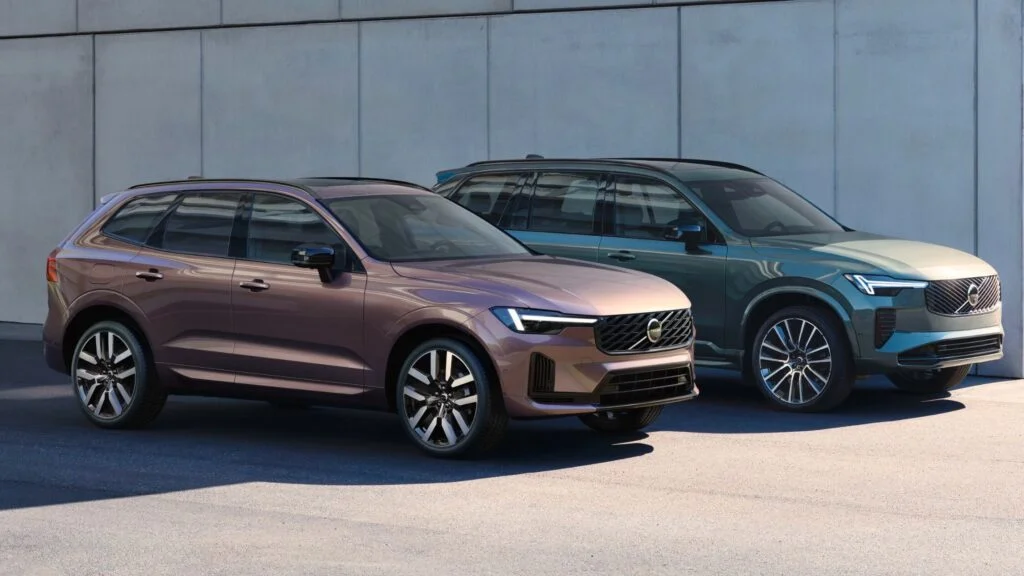
The introduction of new plug-in hybrid electric vehicles (PHEVs) by Volvo marks a significant shift in the brand's hybrid technology. The latest iterations of the XC60 and XC90 SUVs come equipped with powerful 2.0-liter turbocharged four-cylinder engines, paired with enhanced electric capabilities that allow for impressive electric-only driving ranges. This development positions them as serious contenders in a market increasingly leaning toward electrification.
Performance Options and Specifications
Both the XC60 and XC90 will have two performance options: a 178 hp version (180 PS) and a more powerful 247 hp variant (250 PS) for the XC60. The XC60's top configuration, with a combined output of 455 hp (461 PS), accelerates from 0 to 62 mph (100 km/h) in just 4.8 seconds, while the XC90 achieves the same feat in 5.2 seconds. These specifications not only demonstrate power but also suggest that Volvo aims to maintain a sports-like performance for its SUVs, debunking the myth that hybrid vehicles compromise on driving dynamics.
This emphasis on performance amidst electrification is more significant than it looks. Traditionally, hybrids and electric vehicles have been seen as having a softer, more subdued driving experience. However, with these figures, Volvo is sending a clear message: hybrid doesn't mean lackluster. This could potentially alter consumer perceptions and attract a demographic that prioritizes performance alongside efficiency.
Substantial Battery Improvements
Perhaps the most striking change is the substantial upgrade in battery size—going from a modest 14.7 kWh to a more substantial 37.9 kWh. This larger battery brings a swath of advantages: the XC90's range jumps from a mere 38 WLTP miles (61 km) to an astounding 102 miles (164 km). The XC60 outshines even this figure, offering up to 124 miles (200 km) in its lowest power version and 117 miles (189 km) in the higher specification model. For context, the previous generation of these PHEVs was only rated for about 49 miles (79 km) in electric mode.
This leap in battery performance resonates deeply in a marketplace that is transitioning toward electric solutions. The increased range not only enhances the practical usability of these vehicles for daily drivers but also addresses long-standing concerns about the limited scope of PHEVs. If you're working in this space, you'll acknowledge that many potential hybrid buyers have hesitated due to the range anxiety that often accompanies plug-in models. Volvo's move mitigates that concern significantly
Comparative Performance with Rivals
China's Geely, Volvo's parent company, has already made strides with its sub-brands, showcasing vehicles that surpass 100 miles (161 km) of electric range. While Volvo's quoted figures are based on European WLTP testing, it's reasonable to expect comparable numbers from the XC60 in U.S. EPA evaluations, which could approach triple digits, significantly outpacing many competitors—including the Mercedes GLC 350e, which only offers 54 miles (87 km) of electric driving. This positions Volvo not just as another player in the hybrid arena, but potentially as a leader.
The competitive landscape in the hybrid market is tightening, and Volvo's advancements set the stage for a potential shift in market share. Other manufacturers will have to respond to this heightened competition quickly. Consumers are becoming more educated about their choices, and understanding range will remain a pivotal factor. This ongoing arms race for electric range may well determine future success for automotive firms.
Aesthetics and Technology Upgrades
In terms of aesthetics and technology, Volvo isn't leaving the XC60 to rely solely on its performance stats. The refreshed model sports visual enhancements, such as a redesigned grille and updated Thor's Hammer LED headlights, alongside modifications to the interior—including an 11.2-inch portrait touchscreen featuring Google’s Gemini AI voice assistant. This facelift mends both form and function, making it more appealing to tech-savvy consumers.
The technology embedded in these vehicles goes beyond mere entertainment. Enhanced in-vehicle systems are becoming invaluable as consumers expect connected features from their cars. Moreover, the integration of AI voice assistants like Google's reflects a wider trend where personalized technology supports the driving experience. But here's the thing: while flashy screens and cool features attract attention, it’s vital that they don’t compromise the driving experience itself. Will these enhancements simply distract, or will they actually add value?
Implications for the Future
As hybrid technology increasingly permeates the automotive industry, Volvo's powerful new PHEVs may change perceptions about plug-in hybrids, especially among those skeptical of their practicality. With electric-only capabilities that can sustain daily driving needs for weeks—and the ability to travel for extended periods without engaging the gasoline engine—the XC60 and XC90 redefine traditional hybrids in today’s competitive market.
In a broader context, these advancements highlight not just Volvo's commitment to electrification but also a potential pivot in consumer behavior towards PHEVs. The efficacy of these models could play a pivotal role in how drivers perceive hybrids versus fully electric vehicles, particularly in a time when sustainable mobility solutions are paramount. This hinges on whether customers see the benefits in their daily lives. If they do, you could see a groundswell of support for PHEVs transcending mere curiosity.
As consumer demand shifts towards greener options, the enhanced electric range offered by Volvo's new PHEVs may spark renewed interest and drive future developments in the automotive industry’s hybrid segment. But will this trend hold? Only time will tell if Volvo's bold steps inspire others to adopt similar strategies, further altering the trajectory of automotive technology.

Discussion
Sign in to join the discussion.