BYD is poised to ramp up electric vehicle production in Europe, starting with operations in Hungary and planning further factories across the region.
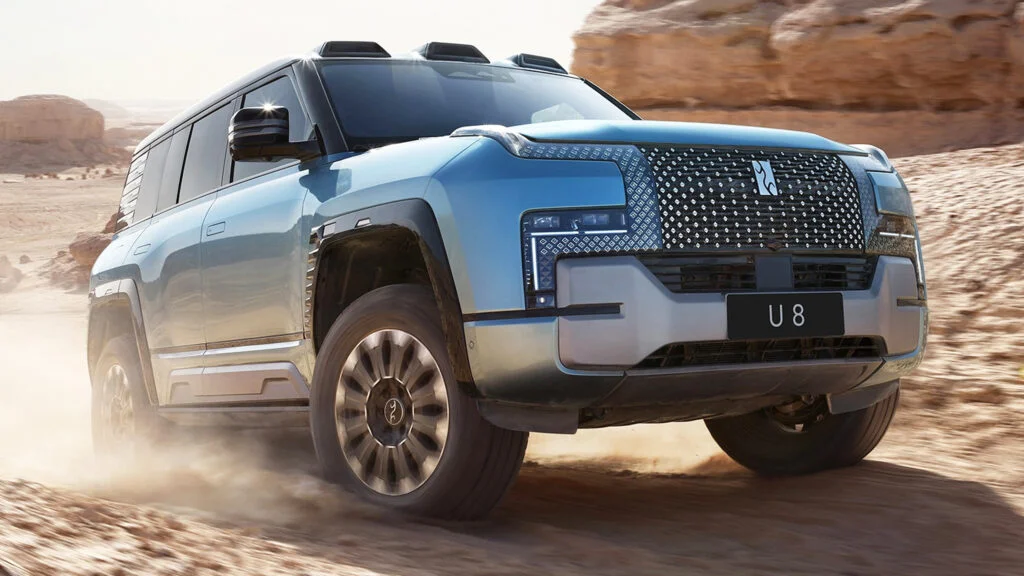
With ambitions to extend its footprint beyond China, BYD is gearing up for large-scale electric vehicle production in Europe. The company aims to establish a substantial presence with a factory in Hungary, set to commence mass production by the end of this year. This move highlights BYD's commitment to penetrate the European market, a strategy that could significantly disrupt existing automotive players.
Plans and Production Capacity
BYD has launched trial production at its newly constructed facility in Szeged, Hungary, with the capacity to manufacture up to 200,000 vehicles annually. This is no small feat—current projections indicate that the plant will begin large-scale production either in November or December. Such a timeline showcases not just ambition but the efficiency of BYD’s operational model. Beyond Hungary, the company is exploring underutilized factories in Spain, France, and Italy to expand its manufacturing capabilities. This approach isn't just practical; it’s also strategic. By looking for existing infrastructures, BYD reduces the time and investment required to become operational.
According to Alfredo Altavilla, a former Fiat Chrysler executive and BYD’s advisor for European operations, the automaker envisions a total of three vehicle assembly plants complemented by a dedicated battery production site. This combination could provide BYD with a vertically integrated manufacturing process, crucial in an industry where cost efficiency and supply chain reliability are paramount. The goal? To not only build vehicles but also to streamline production through in-house battery production—a significant bottleneck in the current global EV market.
Strategic Locations and Future Considerations
As BYD considers potential locations for its additional factories, there’s a clear strategy to minimize new construction by utilizing existing facilities. Think about the implications: such a strategy could lower capital expenditure significantly, allowing the company to allocate resources toward R&D or marketing instead. Altavilla emphasizes the urgency of deciding on the next manufacturing site by the year’s end, a deadline that bears heavy significance. It will influence whether BYD prioritizes a third vehicle plant or the battery factory. The professional landscape requires the ability to pivot quickly; it’s not just about how many cars you produce, but also about how well you align production capacities with ambitious sales targets while adhering to European regulations.
Considering that regulations in the EU are some of the strictest globally, adopting a proactive strategy for compliance while ramping up production is critical. Here's the thing: absent a solid strategy for meeting these standards, BYD risks not just lost sales, but potentially damaging its reputation in a competitive market that holds sustainability in high regard.
Market Dynamics and Sales Strategy
Amid declining domestic sales—down by 32.7% this year to 1.505 million—BYD is sharpening its focus on international markets where demand is on the rise. The company’s decision to shift focus aligns with a larger trend among automakers—when domestic markets weaken, international expansion can serve as a lifeline. BYD now forecasts selling between 1.9 million and 2 million vehicles worldwide by the end of 2026. That’s a stark contrast to its struggles in China, which raises questions about the sustainability of its current domestic sales strategy. Plans for a facility in Turkey, initially set to produce 150,000 vehicles by late 2026, are currently shelved, directing all attention toward optimizing operations in Europe.
The reality is this: while the European market offers growth opportunities, it’s also more competitive and regulated than many others. In the wake of a shifting automotive environment, BYD’s strategy illustrates its commitment to expansion but also serves as a sturdy reaction to increasing global competition. Reports indicate that traditional automotive giants are ramping up their own EV offerings as they recognize shifting consumer preferences, which puts additional pressure on BYD to deliver successfully.
This strategic move to establish manufacturing in Europe may present significant advantages. Not only will it allow BYD to be more responsive to market demands, but it will also help in meeting local regulatory standards more effectively. And yet, the inquiry remains: can BYD position itself to thrive in a saturated marketplace? As established players enhance their electric offerings, BYD must ensure its vehicles resonate with European consumers who are not just looking for performance but sustainability as well. This calculated approach seeks to enhance BYD’s competitive edge in a market that is rapidly changing.
Future Outlook: Implications and Significance
Looking ahead, BYD's venture into the European market could serve as a bellwether for other Chinese automakers eyeing international expansion. If it succeeds, we might see a wave of similar initiatives, given that others will want to replicate this model of quick market penetration via established facilities. If you're working in this space, that potential shift in strategy among competitors could raise the bar for innovation and price competitiveness.
But success in Europe isn’t guaranteed. The automotive industry in the continent is steeped in heritage; consumers have entrenched loyalties to longstanding manufacturers. BYD isn't just competing with other car makers but also battling perception and brand recognition. Should it manage to navigate the hurdles effectively, the implications for the global automotive market could be far-reaching. It could encourage greater innovation in EV technologies, potentially lowering costs for consumers and benefiting the climate in the long run. Clearly, all eyes will be on BYD’s steps in the coming months.

Discussion
Sign in to join the discussion.