Volkswagen faces significant operational challenges, including potential job cuts and a shift in stock market status, following restructuring plans and competition pressures.
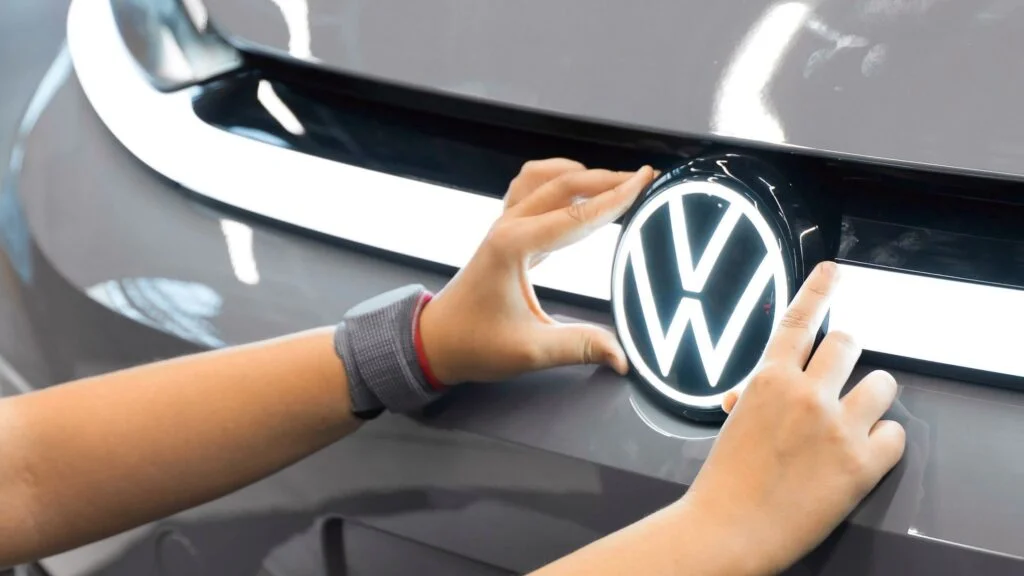
Volkswagen is navigating turbulent waters, facing a potential restructuring that could jeopardize up to 100,000 jobs across its operations. CEO Oliver Blume aims to scale down annual production capacity from 12 million vehicles to 9 million, signaling a stark shift in strategy as the automotive market transforms. As the world shifts towards electric and more sustainable options, traditional automakers like VW are forced to rethink everything from their production lines to staffing strategies. This isn’t just a temporary setback; it’s indicative of a much larger realignment in the auto industry.
Upcoming Votes and Governance Tensions
Recent developments indicate that the company’s board will confront a pivotal vote on September 4 regarding its restructuring strategy. If management's proposal fails again, it could escalate into a confrontation with shareholders, a scenario that could upend its traditional governance dynamic. This high-stakes atmosphere is compounded by VW’s recent loss of its position in the Euro Stoxx 50, a key European stock market index, to Nokia, marking a significant setback. This upcoming board meeting isn’t just a ritual; it’s a potential flashpoint for a company struggling to adapt to changing market conditions.
The prospect of a shareholder uprising poses a myriad of complexities. Already, VW's management has faced pushback from employee representatives, which complicates efforts to implement changes. This dynamic reflects broader tensions within corporate governance in Europe, where employee rights often play a significant role in corporate decision-making. The involvement of the state of Lower Saxony, which holds a 20% voting stake and has expressed its opposition, exemplifies how such political and economic interests intertwine, making this board meeting a critical juncture for VW.
Production Cutbacks and Job Losses
Currently, VW is exploring the closure of four plants in Germany over the next decade, with the Emden and Zwickau facilities projected to close by 2031, followed by Hanover in 2032, and Audi's Neckarsulm facility by 2034. These closures threaten the livelihoods of tens of thousands of employees, reflecting the harsh realities of an industry in transition. Yet, securing approval for such drastic measures has proven difficult, as evidenced by the supervisory board's rejection of the management's plans back in July. Opposition from employee representatives and the influential state of Lower Saxony, which holds a 20% voting stake, played a crucial role in that outcome.
The stakes are high since, prior to this, the company had already decided to eliminate 50,000 jobs across its brands including Audi and Porsche. In a meeting earlier this month, Blume hinted that an additional 25,000 jobs would be cut in Germany, with plans for another 25,000 positions to vanish overseas. This could see job reductions soar to a total of 100,000. That figure alone is staggering, and it raises questions about the social implications of such a strategy. What does this mean for the communities surrounding these plants? The economic ripple effects could be profound, impacting not just workers but local economies as well.
Capacity and Production Challenges
As part of its cost-cutting strategy, VW aims to align its production capacity with actual output, which hasn’t matched the 12 million vehicles it used to manufacture. The automotive giant is also under pressure from enhanced competition in Europe, particularly from Chinese automakers, compounded by U.S. tariffs affecting its global positioning. Given the rapid transformation of the automotive industry, aligning production with demand isn't just a smart move; it’s become essential for survival.
VW's impending drop from the Euro Stoxx 50 underscores deeper concerns about its market performance amidst restructuring challenges and a sluggish transition to EVs. The shift, effective September 21, reflects broader concerns about the future of the automotive sector in Europe, with VW joining Stellantis in facing this kind of setback, illustrating a trend that could reflect deeper vulnerabilities within the market as a whole. The company’s stock values have been declining as it grapples with these operational challenges and fierce competition. While losing a stock index listing may not be VW’s most pressing issue, it certainly resonates as a telling indicator of its struggles in a rapidly evolving industry.
As VW reconsiders its manufacturing strategies, the implications for its workforce and its market positioning are far-reaching. With established players like Tesla continuing to challenge traditional norms and payment structures, VW must tackle these issues head-on. If you're working in this space, you’ll know that the stakes aren’t just about numbers on a balance sheet—they touch the core of what it means to sustain a legacy in a shifting automotive environment.
The Road Ahead: Implications and Outlook
The company remains at a crossroads, navigating between necessary restructuring and the preservation of its workforce and legacy. Blume's push for transformation is not merely a reaction to economic pressures but a strategic pivot to ensure VW can compete in an electrified future. With shareholder confidence wavering and the competitive landscape becoming increasingly aggressive, VW will need a clear and effective strategy to regain its footing in both the market and public perception.
Despite the daunting road ahead, there might be hidden opportunities. How VW handles this transformation could become a case study for other automakers facing similar challenges. Can it transform into a leaner, more sustainable organization while maintaining some level of employee support? Challenges abound, but if VW can find that balance, it could emerge more resilient. It's a tough balancing act, but worth watching closely as the implications of these decisions ripple through the entire automotive sector.

Discussion
Sign in to join the discussion.