Canada's increased quota for Chinese electric vehicles allows significant new imports, potentially reshaping the EV market landscape.
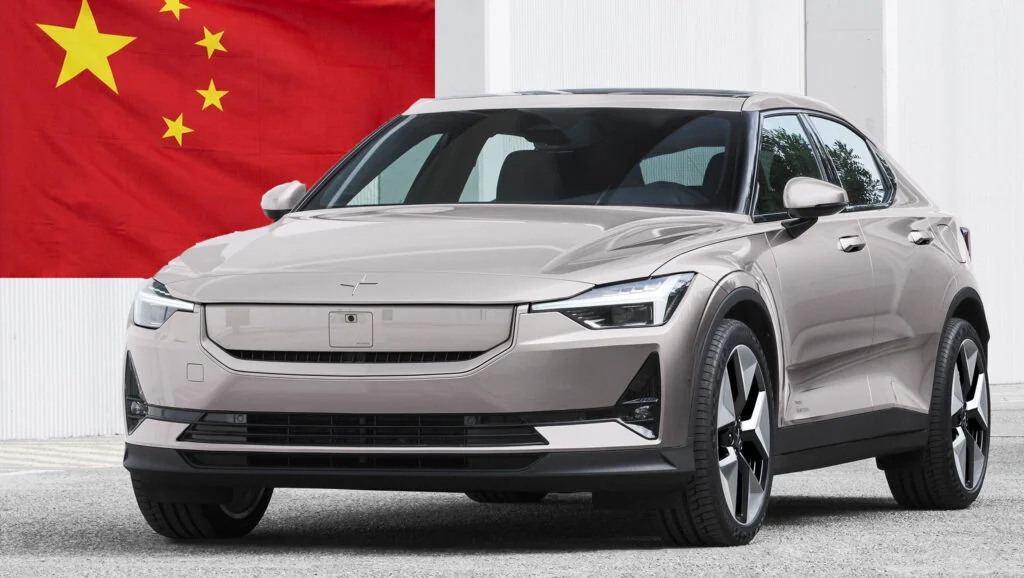
In a notable shift for the electric vehicle market, Canada has expanded its import quota for Chinese vehicles, allowing 33,397 new entries. This increase comes on the heels of a recent agreement with China, aiming to set the stage for broader access to affordable electric vehicles for Canadian consumers.
Import Quota Details
This framework represents a significant strategic move for both nations. In a partnership unveiled in January, Canada established terms allowing for up to 49,000 Chinese EVs to enter its market at a favorable tariff rate of 6.1%. The program's first six-month phase, which ran from March 1 to August 31, yielded only 15,603 vehicle imports—significantly below the cap of 24,500. This shortfall, noted by Global Affairs Canada, means that approximately 8,897 vehicles went unutilized during this initial period. Such underperformance raises questions about the demand for these vehicles and market adaptation in Canada.
The modest uptake during the first phase isn't just a logistics issue; it's a broader reflection of how Canadian consumers perceive Chinese automotive brands. Historically, concerns about quality, service, and brand loyalty may have influenced this slow start. For Canada, it's more than just a quota; it's an attempt to determine how receptive the market is to lower-cost alternatives.
New Opportunities for Importers
With the opening of the second phase on September 1, importers have a chance to capitalize on the underutilized quota from the previous period. Now, they can bring in an additional 24,500 Chinese vehicles, raising the total available quota to 33,397. This presents a significant opportunity for manufacturers looking to capture market share before competition inevitably intensifies.
But this isn't just a simple case of importing more cars. It signals a shifting paradigm in vehicle manufacturing and sales in Canada. For brands that aren't utilized to operating under such quota constraints, understanding the timing and dynamics of imports will be paramount. The competition isn't just about having inventory; it’s about having the right inventory that resonates with consumers as preferences evolve.
Early Beneficiaries
While specific import data hasn't been broken down by manufacturer yet, early indicators suggest that Tesla has emerged as a significant beneficiary. Tesla notably imported the Chinese-made Model 3 Premium, which starts at $39,490 CAD. The presence of established players like Lincoln and Polestar further underscores that competitive edge, with Lincoln's Nautilus Hybrid contributing to the 259 hybrid models sold thus far. These early movers not only get a head start but are also setting the tone for what's to come.
Lotus has begun its presence in Canada, further marking the entry of traditional Western brands into an expanding market. But that begs the question: are these brands adapting well to what the Canadian consumer wants? Their strategies may need to be aggressive to contend with the increasing presence of Chinese brands that promise affordable options with better technology.
Looking Ahead: The Arrival of Chinese Brands
The electric vehicle dynamic in Canada is set to evolve even further as traditional Chinese auto manufacturers such as BYD, Chery, and Geely prepare to enter the market. With some models reportedly in the final stages of certification, consumers could see these vehicles available as early as next year. This isn't just a checklist of new arrivals; it's a potential shift in consumer buying habits.
The influx of new models could complicate the existing competitive environment. The quota system operates on a “first-come, first-served” basis, which promotes early imports but also means that manufacturers need to be strategic and nimble. If you're working in this space, you need to be aware of what the competitors are doing and how quickly you can adapt to market trends.
Implications for Consumers and the Auto Industry
What does all this mean for Canadian consumers? For one, the expanded import options may lead to a greater diversity of choices and potentially lower prices. More brands translated into heightened competition, which typically drives innovation and better service standards. But there’s also a risk; the market could become overcrowded with options that overwhelm buyers, leading to confusion rather than clarity in choice.
The significance of this move extends beyond just importing vehicles. It’s about redefining what Canadian consumers expect from the electric vehicle market. Traditional notions of quality associated with Western brands might face challenges. And yet, if consumers respond poorly to some of these new entrants, it could create a backlash that benefits established players.
As these brands make their mark in the Canadian market, ongoing changes are likely that could redefine consumer preferences and reshape competitive dynamics within Canada's expanding electric vehicle sector. In the end, everyone's betting on how quickly the industry can adapt and how resilient the established brands will be in the face of new competition.



Discussion
Sign in to join the discussion.