The FTC warns consumers about scams where fake car dealership websites, created with AI, trick buyers into losing money on non-existent vehicles.
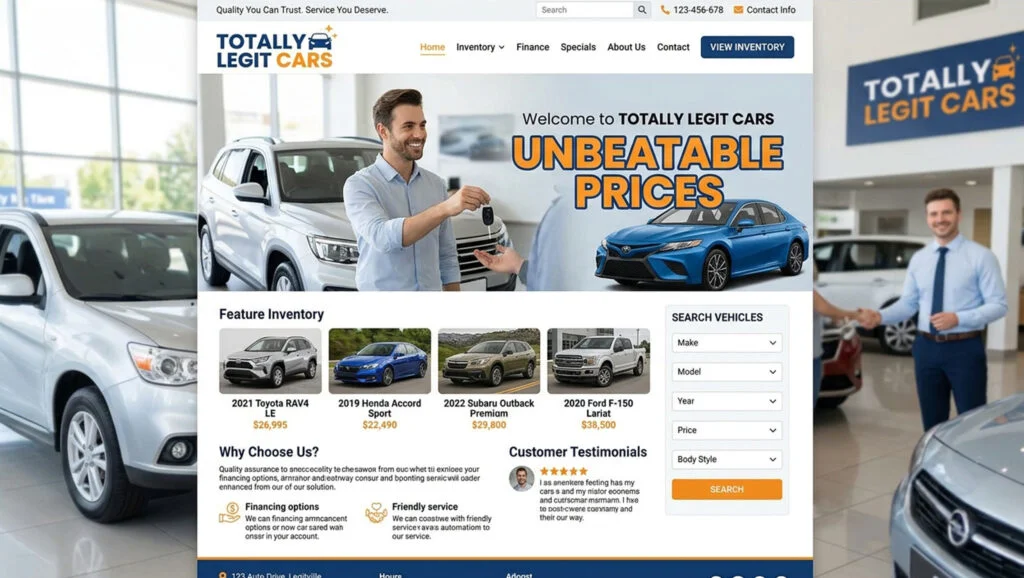
Scammers are increasingly sophisticated, as demonstrated by a recent alert from the Federal Trade Commission (FTC) regarding fake car dealership websites. These counterfeit sites, designed to mimic legitimate dealerships, are using artificial intelligence to create nearly indistinguishable replicas, making it difficult for potential victims to recognize the fraud.
The Mechanics of Deception
According to the FTC, these scammers are not just stealing names; they're replicating brand logos, photos, and vehicle listings with alarming accuracy. Some of these websites even include fake reviews and customer testimonials to enhance their credibility. The sophistication doesn’t stop there. Scammers often leverage social media and other online platforms to target specific demographics, amplifying their reach and impact. For many victims, the combination of professional design, SEO strategies, and fake user feedback makes the lines between real and fake dangerously blurred.
The allure of rare vehicles and attractively low prices is a classic tactic employed to persuade consumers to part with their money. You'll find scammers featuring hard-to-find classics or muscle cars at prices that are just about impossible to resist. The pressure cooker atmosphere of urgency, along with promises of hassle-free buying processes, further entices unsuspecting buyers into fraudulent transactions. This is where the psychology of consumer behavior plays a sizable role; people tend to react impulsively when they believe a golden opportunity has fallen into their laps.
Victims of these scams may find themselves arriving at real dealerships only to learn that their money has disappeared and the vehicle they thought they purchased never existed. For many, this shocking realization comes after hours spent navigating the counterfeit website, engaging with the scammers, and, tragically, parting with their hard-earned cash. The FTC advises a cautious approach for anyone looking to buy a vehicle online, especially in light of the surge in online car buying that has emerged in recent years. The irony that newer technologies meant to improve buying efficiency are now being weaponized against consumers isn’t lost on many observers.
Protecting Yourself from Fraud
The FTC offers several recommendations to help consumers avoid falling prey to these scams. A key point is to ensure a dealership’s contact methods are transparent and accessible. If a dealership isn’t easily reachable, it could be wise to arrange for a mobile inspection service to verify the vehicle’s existence before making any payment. If a dealer objects to such an inspection, that’s a significant red flag. That's a legitimate cause for suspicion—real dealers typically welcome buyers who want to confirm the product they're purchasing.
Conducting an online search with the dealer's name followed by terms like “scam,” “review,” or “complaint” can yield useful insights. Many platforms allow for customer reviews, which can score additional points for legitimacy but come with their own set of risks. Since counterfeit sites often feature fake reviews, it’s imperative to dig deeper, checking multiple sources to verify the reputation of any dealer you're considering. And let’s face it: if a dealer requests payment via wire transfer, prospective buyers should be highly skeptical and consider looking elsewhere. This payment method often lacks the consumer protections that credit cards or other digital payment systems offer, placing buyers at a greater risk of irrevocable loss.
The Rise of Online Scams
The pivot toward online transactions in the auto industry, particularly accelerated by the pandemic, has paved the way for scammers to thrive. With consumers more accustomed to digitizing their purchasing processes, traditional safeguards have been occasionally overlooked. The rapid adoption of e-commerce has shifted the paradigm; people are less likely to visit physical locations, which were once an essential part of the car-buying experience.
This transformation has implications beyond the immediate transactions of buying cars. The FTC's alert serves as a critical reminder about the importance of vigilance in the online marketplace. As scams become more sophisticated, staying informed and taking preventive steps is essential for consumers looking to make safe and legitimate purchases. For those working in this space—be it dealers, consumers, or policy makers—the message is clear: adaptive strategies and ongoing education are more vital than ever in combating this rising tide of fraud.
Future Outlook: The Implications of Evolving Scams
You're probably wondering how this affects the future of online car sales. The scenario is stark—if trends continue, we could see further erosion of trust in e-commerce platforms if consumers don't feel secure making purchases. Businesses need to focus on transparency and authenticity to reassure buyers. Advanced technologies like blockchain might offer solutions, ensuring the legitimacy of transactions and tracking ownership history with unparalleled accuracy.
As scammers evolve their tactics, consumers will need to become increasingly savvy. Being proactive is critical. Emphasizing education around fraud recognition will be even more essential, especially for newer buyers entering the market. If you’re looking to buy a car online, this means conducting thorough research, relying on trusted sources, and remaining vigilant against flashy websites that promise more than they can deliver. What you do today can make a difference in preventing future scams. Remember, being informed is your best defense.



Discussion
Sign in to join the discussion.