Nissan's upcoming PIXO electric city car aims to blend compactness and personality, with an impressive range and a design inspired by the Renault Twingo.
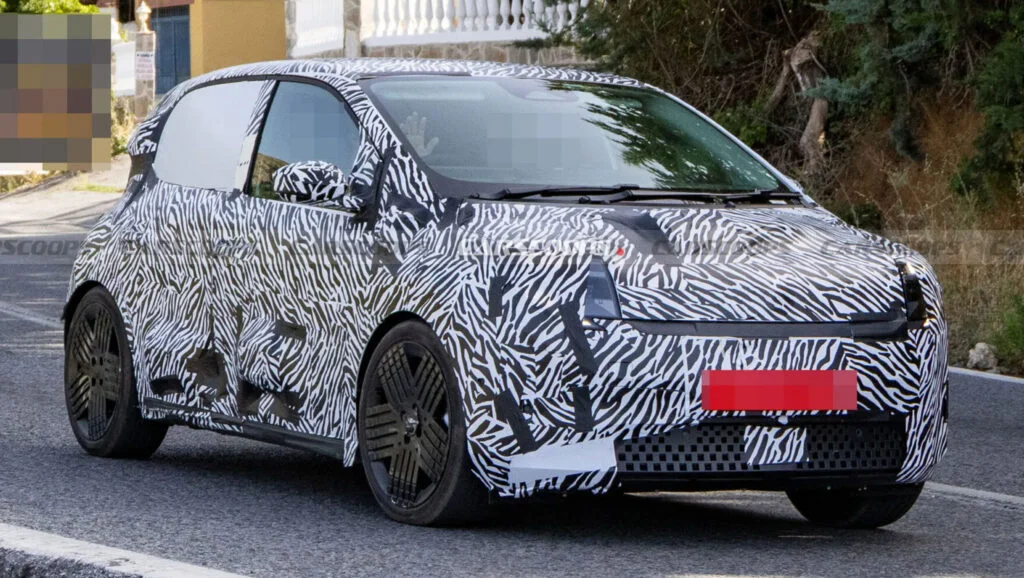
Nissan has officially announced the launch of its new electric city car, named the PIXO, set to debut on September 23. Although initially labeled as the 'Wave,' the company has opted for a name that emphasizes the vehicle's personality. This rebranding signals an effort by Nissan to carve out a distinct identity for what could be a pivotal model in its electric vehicle lineup.
Target Audience and Market Positioning
Nissan has kept specifics about the PIXO under wraps, but it's clear the automaker is positioning the model to appeal to urban drivers with its compact dimensions and stylish design. Urban environments are increasingly favoring smaller, more maneuverable vehicles that can navigate congested streets easily. With a base price reportedly around €19,500 (about $22,610) and a range of 163 miles, the PIXO aims to attract cost-conscious consumers looking for practical electric options.
This segment of the market is highly competitive, with numerous automakers vying for attention. Similar systems typically focus on efficiency and affordability. The PIXO’s pricing strategy will be vital; if it can undercut or match competitors while offering comparable range and features, it could capture substantial market share. Yet, the pricing also needs to align with consumer expectations for quality and technology.
Design and Aesthetics
Visual teasers hint at a restyled execution of the Renault Twingo. A prototype recently caught the eye of observers, showcasing a reworked front end adorned with more conventional, squared-off headlights. This adjustment aims to deliver a more approachable aesthetic, contrasting with previous avant-garde designs. It's a thoughtful move; design plays a significant role in consumer purchasing decisions, especially in the crowded A-segment market.
The city car will also sport a redesigned hood and a fresh front intake, characterized by a cube-like mesh pattern. Although it may not drive dramatic shifts in the market, the PIXO’s style update could enhance its appeal among competitive A-segment vehicles. People often overlook how design can influence a buyer's emotional connection to a car. The PIXO’s evolution from the more eclectic Twingo might help it resonate better with a broader audience, particularly those who favor practicality without sacrificing style.
The rear end is expected to adopt a streamlined look, with conventional lighting units and subtle tweaks to its wheels and body to maintain a modern silhouette. This attention to detail should bolster the PIXO’s position in a segment that's often defined by aesthetic choices as much as functionality.
Interior Features and Technology
Details surrounding the interior remain limited, but it is likely to share components with the Twingo, equipped with a 7-inch digital instrument cluster and a 10-inch infotainment display. The cabin aims to strike a balance between functionality and flair, featuring minimalistic controls with engaging accents. The technology aspect is critical; as consumers demand more from their in-car experiences, offering enhanced digital connectivity could set the PIXO apart.
Historically, many entry-level cars skimp on technology, assuming budget-conscious buyers won't prioritize these features. But that’s changing. If you're working in this space, you know that buyers will expect smart integration and functionality, which can significantly enhance the driving experience.
Performance and Specifications
Under the hood, the PIXO will inherit a familiar powertrain configuration, consisting of a 27.5 kWh battery paired with an electric motor producing 80 hp and 129 lb-ft of torque. This combination should enable a respectable 0-62 mph time of 12.1 seconds and a top speed of 81 mph, complemented by a WLTP-rated range of approximately 163 miles.
This setup seems fairly typical for electric city cars, a category that often balances performance with range. The specs here don't promise to astonish, but they could meet the everyday needs of urban drivers who prioritize efficiency and ease over speed. In a crowded market, it's the small things that count.
Implications and Future Outlook
The introduction of the PIXO comes at a time when electric vehicles are gaining traction in the automotive market. Boosted by increasing consumer awareness of sustainable practices, the demand for compact electric vehicles is expected to rise. Nissan’s efforts to capture this segment could have significant repercussions, potentially influencing other automakers' strategies around smaller electric models.
But will the PIXO live up to the expectations? The vehicle represents a pivotal moment for Nissan, as it tries to reestablish itself in the compact electric segment that has seen growth. However, competition is fierce—and if Nissan doesn’t differentiate itself beyond aesthetics and some decent specs, it might find itself lost in the noise.
In a nutshell, the PIXO’s arrival will impact how small electrics are positioned. At the very least, it could press competitors to examine their offerings closely. The balance of style, performance, and price in this segment is delicate; Nissan needs to hit the sweet spot. The potential of the PIXO to resonate with urban drivers hinges on how well it meets their practical needs while also providing an enjoyable driving experience.

Discussion
Sign in to join the discussion.