Toyota recalls 8,521 units of its 2026 C-HR EV due to a software issue that may cause a loss of power while driving, alongside a label error affecting other models.
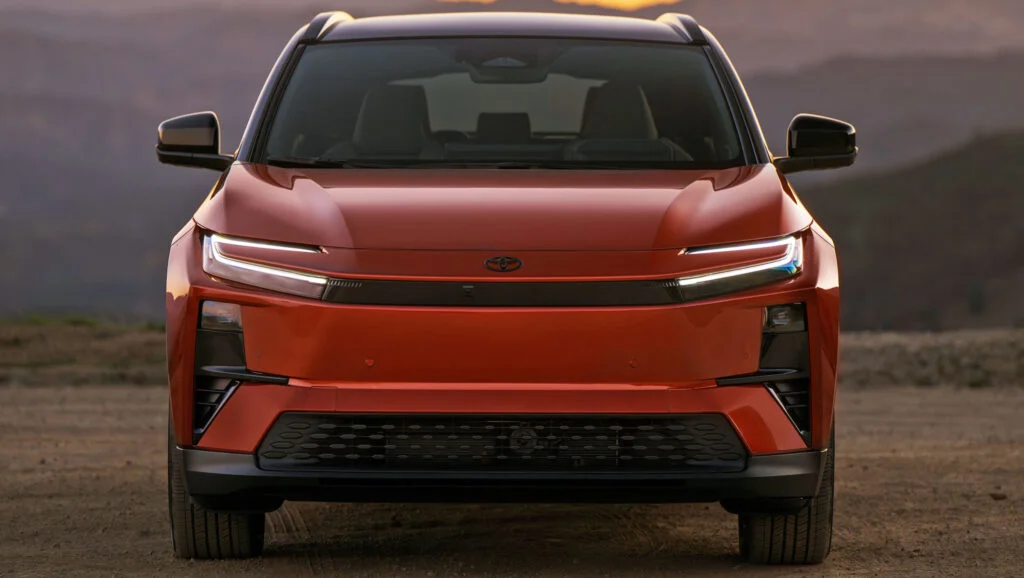
Toyota is addressing urgent safety concerns by recalling its new electric crossover, the 2026 C-HR, affecting 8,521 vehicles. The recall stems from a software programming error that could lead to battery overcharging, causing the powertrain to shut down unexpectedly while driving. This is a serious safety issue, as sudden power loss can pose risks not just to the occupants of the vehicle but also to other drivers on the road.
Background on the C-HR Recall
The challenge of software errors isn't unique to Toyota. Many manufacturers have struggled with similar issues as vehicles become more reliant on complex electronic systems rather than purely mechanical ones. In the case of the C-HR, this problem first surfaced during the testing of an undisclosed upcoming battery electric vehicle (BEV). As a result, Toyota initiated a wider review of the electronic control units across its EV lineup, pinpointing the C-HR as particularly vulnerable. What seems like an isolated incident can trigger a broader examination, indicative of the ripple effect that a single flaw can have across multiple models.
Here’s the thing: electric vehicles introduce unique challenges concerning software management. Unlike traditional vehicles that might suffer from hardware failures, EVs are increasingly defined by their software. In this scenario, the issue is exacerbated in colder environments where the battery operates at a high charge, particularly when vehicles are in regenerative mode, which captures energy during deceleration. Driving in hilly terrains also adds complexity. All this means drivers' safety hangs on the efficacy of software performance under various conditions.
In case of a powertrain shutdown, drivers would receive critical alerts, including both visual warnings and auditory signals indicating a potential loss of motive power. Although no incidents have been reported, the recall is proactive rather than reactive. This protective stance underscores Toyota's commitment to safety as they transition more boldly into the electric vehicle market. Notifications concerning the recall are set to be dispatched on October 18, and dealers will implement remedies through straightforward software updates. Quick fixes are far better than far-reaching crises, right?
Labeling Errors Prompt Additional Recall
Simultaneously, Toyota is recalling 135 vehicles for a separate issue related to incorrect load carrying capacity labels. This problem affects several popular models, including the 2024 Tacoma, 2025 Tundra, as well as the 2026 4Runner and RAV4. A seemingly minor error in labeling can have serious implications, particularly affecting how much weight drivers feel is safe to carry.
What triggered this error? The discrepancy originated from input mistakes during data entry regarding accessory weight measurements, which led to misleading calculations of the vehicles' load capacities. Internal audits are meant to catch such errors, but in this case, they spotlight the importance of precision in every aspect of automotive engineering. With eight parts identified having inaccurate weight values, the risk here is that misleading labels could encourage drivers to overload their vehicles, which can increase the likelihood of accidents and diminish vehicle performance.
To rectify the labeling problem, dealers will replace inaccurate labels, aiming to mitigate any potential safety risks. This additional recall reflects a broader pattern often observed in the automotive industry — one error can lead to another, snowballing into a situation where multiple recalls occur in close succession, highlighting the necessity for ongoing internal reviews and audits.
Implications for Toyota and the Auto Industry
This dual-recall situation underscores the pressing need for ongoing vigilance in software and safety protocols. As automakers increasingly pivot towards electric and hybrid models, the transition opens up new avenues for both innovation and potential pitfalls. Safety environments must adapt to the dual realities of evolving technology and consumer expectations. If you’re working in this space, you know that software reliability will be under constant scrutiny as electric vehicles become mainstream.
The automobile industry is at a crossroads, and every error — whether in software or labeling — can erode consumer trust. Electric vehicles come with a promise of sustainability and technological advancement, but they also carry the weight of new kinds of risks. Toyota's proactive measures in both recalls indicate an awareness of these stakes. However, until consumers feel absolute confidence that such mistakes won't hinder their safety or driving experience, the road to widespread EV adoption could encounter significant bumps.
This moment in Toyota's history could serve as a cautionary tale for other manufacturers. It illustrates that even established brands with a storied reputation in safety can grapple with modern automotive engineering challenges. As the industry hurtles toward electrification, the lessons learned here could influence how car companies approach software development, testing protocols, and safety assessments, ultimately reshaping the future of transportation.
And this is the part most people overlook: stories like this serve as a reminder of the interconnectedness of technology, safety, and consumer trust – a triad that must be nurtured amid rapid advancement. Consumers will need more than assurances; they’ll require transparent actions from manufacturers as part of their commitment to quality and reliability in this shifting auto industry paradigm.

Discussion
Sign in to join the discussion.