From the Dodge Charger to modern supercars, discover the most remarkable rear wings that have defined automotive design and performance.
Rear wings have long captivated car enthusiasts and designers alike, serving both aesthetic and aerodynamic functions. Yet, as we sift through decades of automotive history, it's striking how these appendages have evolved from simple lip spoilers to impressive aerodynamic structures. So which production car can lay claim to the title of having the most iconic rear wing in automotive history?
The Beginnings of a Phenomenon
The saga begins with the Dodge Charger, which essentially sparked America's long-standing fascination with rear wings. Faced with lift issues in NASCAR due to its fastback design, Dodge responded in 1967 by offering the Charger with a small spoiler—a simple yet significant move that forever changed the trajectory of performance car design. This was more than just a cosmetic enhancement; it signified the dawn of a new era in automotive engineering, where function began to harmonize with form.
Escalation to Iconic Designs
By the late 1960s, wing sizes began to reach audacious proportions. The 1969 Dodge Charger Daytona and its sibling, the 1970 Plymouth Superbird, showcased monumental wings that demanded attention. These vehicles weren't merely about aesthetics; they pushed the boundaries of what was possible in textile designs and aerodynamics during that time. The Daytona, for instance, wasn’t just a marketing ploy; it was a racing necessity, crafted to reduce lift and improve handling at high speeds. Meanwhile, BMW's 3.0 CSL Batmobile presented a double-act of downforce with its sizeable rear and roof spoilers, although the latter wasn't initially road legal in Germany, leading to deliveries that included the spoiler in the trunk for owner installation. It's ironic that what would later be considered essential for performance was once seen as an illegal feature.
In the realm of supercars, models like the Lamborghini Countach emerged with wings that, while sacrificing speed, became integral to their iconic appearances. These sprawling designs transformed the Countach into a symbol of 1980s exuberance. Porsche contributed to this legacy with the 1973 Carrera RS 2.7, whose ducktail spoiler reshaped the 911's silhouette, making it a standard appearance that enthusiasts now consider essential. The ducktail wasn’t just a style choice; it represented a pivotal moment where aerodynamics started influencing design thinking across the board.
Wings Become Standard Features
The 1990s saw the proliferation of large rear wings as crucial visual signatures on vehicles like the Toyota Supra Mk4 and Subaru Impreza WRX STI. These cars were symbols of the evolving performance culture, finding a delicate balance between street cred and track-focused engineering. Ford's Escort RS Cosworth further pushed the boundaries with its distinctive two-tier whale-tail design, a concept that had initially envisioned even more elaborate dimensions before being toned down. Still, this striking feature cemented the Escort's reputation as a true performance icon.
Smarter Aerodynamics
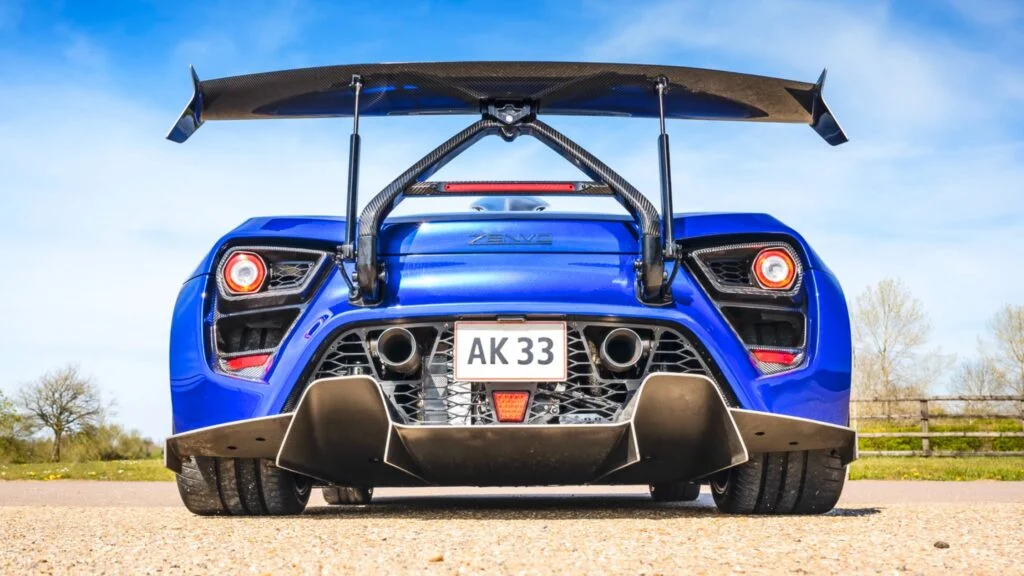
Today's aerodynamic designs are no longer just visually striking but are engineered with remarkable functionality in mind. Cars like the Porsche 911 GT3 RS flaunt sophisticated wing setups complete with DRS (Drag Reduction System) features that mimic Formula 1 technology. This connection shows how motorsport continues to influence consumer models, where high-stakes racing innovations trickle down to everyday performance cars. In contrast, Zenvo's TSR-S showcases a Centripetal Wing that alters its angle in a way previously unseen, tilting dramatically to enhance performance. That's a fascinating leap; this isn't just about looking fast—it's about being fast.
There are also minimalist approaches where some wings rest flush against the bodywork until activated, revealing an ability to provide additional downforce or act as air brakes under specific conditions. (And this is the part most people overlook.) These innovations reflect an industry grappling with the balance between aesthetics, aerodynamics, and practicality. As engineers rethink designs, the traditional wing becomes a sophisticated mechanism rather than a basic appendage.
What Defines the Best Wing?
While many models boast impressive wings—from the massive fixed wing of the Dodge Viper ACR to the striking dorsal-fin design on the Lamborghini Veneno—the criteria for crown jewels in this category may ultimately hinge on visual appeal rather than just performance metrics. After all, a captivating design can elevate the identity of a road car just as much as its technical capabilities. This becomes a paradox for enthusiasts; should one prioritize visual impact over speed, or can a balance be achieved? What this means for you, whether you're a designer, driver, or consumer, is a deeper appreciation of what a rear wing represents beyond its immediate function.
As we reflect on these extraordinary automotive appendages, the question persists: which road car truly deserves the title for the greatest rear wing? The answer may be subjective, influenced equally by aesthetic charm and performance prowess, but one thing is clear—rear wings will continue to inspire awe and admiration for years to come. The significance of these designs often transcends their technical functions; they encapsulate the spirit and history of automotive passion, serving as a barometer for how far the industry has come and where it may be headed next.
Future Outlook: The Wings of Tomorrow
Looking ahead, one can only speculate how the future will reshape the concepts of automotive aerodynamics and design. As electric vehicles gain traction, will the role of rear wings change to accommodate different performance needs? Or, conversely, could we see a return to simpler designs as manufacturers prioritize efficiency over flamboyance? The potential for advancements in materials and aerodynamics means we may witness even more radical interpretations of what a rear wing can be. Car enthusiasts should keep their eyes peeled as automakers continue to push the envelope; the next iconic design could be just around the bend.

Discussion
Sign in to join the discussion.