Kia's upcoming PV7 electric van, set for reveal at the IAA Transportation show, aims to serve business needs with a spacious design and multiple battery options.
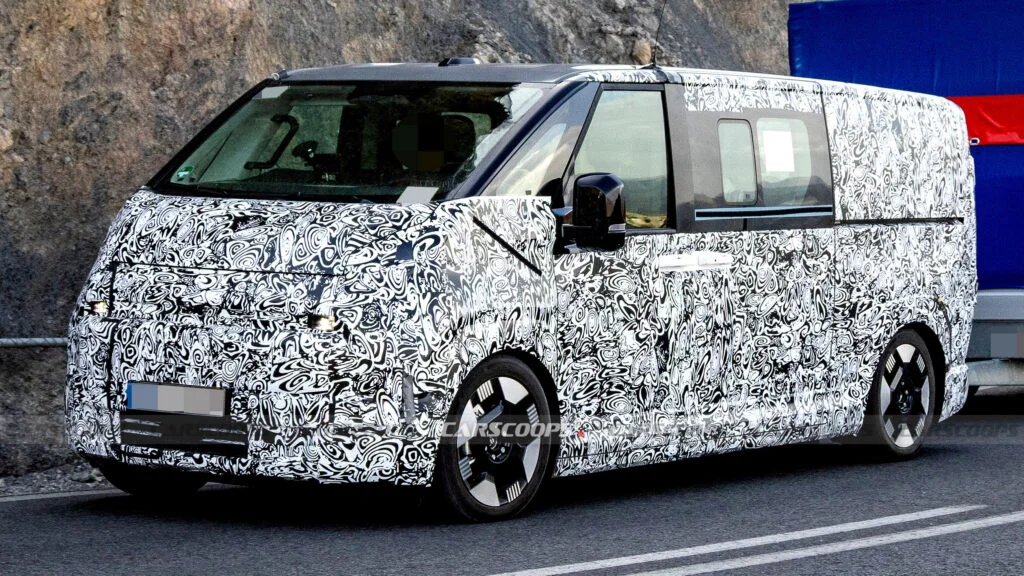
Kia is set to showcase its new PV7 electric van at the IAA Transportation show on September 14, with teaser images generating excitement ahead of its debut. This model stands as the second addition to Kia's Platform Beyond Vehicle lineup, following the PV5 launched last year. This strategic introduction marks a significant milestone for Kia as it expands its presence in the electric vehicle (EV) market, specifically targeting the commercial sector where there’s mounting pressure for environmentally friendly yet practical solutions.
The anticipation around the PV7 highlights the growing consumer interest in electric commercial vehicles. More than just a means of transport, these vehicles are now seen as key players in reducing emissions, aligning businesses with green initiatives. As companies strive to modernize their fleets, Kia's initiative to step into this space brings both challenge and opportunity. If you're working in this space, keep an eye on how the competition responds.
Design and Specifications
With an approximate length of 208.6 inches (5,300 mm), the PV7 is significantly larger than the 184.8-inch (4,695 mm) PV5 Cargo Long. This increase in size is no trivial detail; it fundamentally alters the vehicle's capability, emphasizing a design approach that prioritizes utility. The van’s boxy shape is not just an aesthetic choice; it reflects a functional focus, supporting higher cargo capacities which are essential for businesses relying on transportation for goods and services. The dual sliding doors are another practical aspect, providing easy access in tight urban settings, which is common for commercial vehicle usage.
Integral to the PV7's design is its structure, based on the Electric-Global Modular Platform for Service (E-GMP.S). This is a fleet-oriented variation of the E-GMP architecture seen in models like the Hyundai Ioniq 5 and Kia EV6. Such a foundation is becoming increasingly common among electric vehicles, allowing producers to offer a flexible design that doesn’t compromise on performance. It’s a strategic choice, ensuring that the PV7 isn’t just spacious but also efficient. By leveraging the already proven E-GMP, Kia aims to instill confidence among fleet operators who need reliability in their daily operations.
Powertrain Insights
While detailed powertrain specifications remain undisclosed, there are expectations that the PV7 could borrow options from the PV5. The latter offers three battery sizes, including a 43.3 kWh LFP pack and two NCM batteries at 51.5 and 71.2 kWh, paired with electric motors producing between 120 hp (89.4 kW) and 161 hp (120 kW). These figures, while not overwhelming, indicate a sensible range of options aimed at varied use cases.
This also raises some intriguing possibilities. Given its size, it’s likely the PV7 will incorporate larger battery options to support higher performance demands. Larger batteries not only provide greater range but also the necessary power for heavier loads, which is pivotal for commercial applications. Observers anticipate that the electric motor configurations will also offer a range of outputs, possibly including a more powerful variant to suit varying business requirements. There's an underlying expectation that potential buyers will need customizability to fulfill their operational goals.
Official specifications and performance metrics will be disclosed during the official reveal later this month, but early insights suggest Kia is taking significant steps to align with the evolving needs of commercial fleets. The industry is undeniably nudging toward more electric options, and anyone involved in commercial transport can expect to see significant changes in the near future.
Market Position and Future Outlook
Marking a strategic move in the commercial vehicle sector, the PV7 might just position Kia more competitively against established players like VW. As manufacturers rush to electrify their offerings, the PV7 represents a timely entry into the market. Its modern design coupled with practical features could resonate well with businesses looking for sustainable options. However, Kia won’t have the market to itself—there’s strong competition from established giants who have dominated this space for years.
What this means for you, especially if you are part of a logistics or fleet management team, is a broadened set of options. The demand for sustainable vehicles often meets a reluctance to change. Fleet operators must balance cost, performance, and environmental impact—all critical factors in the buying decision. The PV7 could very well address these aspects but it remains to be seen how it stacks up in real-world applications. The first few months after launch will undoubtedly provide a clearer picture of its acceptance in the market.
And yet. The implications of Kia's entry into this segment might extend beyond just competing with other brands. It reflects a notable shift in consumer sentiment toward electric vehicles in general, hinting at a future where commercial fleets could be fundamentally different from what they are today. The trends suggest a collective move towards greener technologies, shaping the future of transport in a manner that aligns with broader societal goals. That transformation could be faster than many are prepared for, and companies ignoring it may find themselves at a disadvantage.

Discussion
Sign in to join the discussion.