The Nora EV Metro delivers a compact electric vehicle solution with Toyota-inspired design, starting under $11,000 and offering impressive battery options.
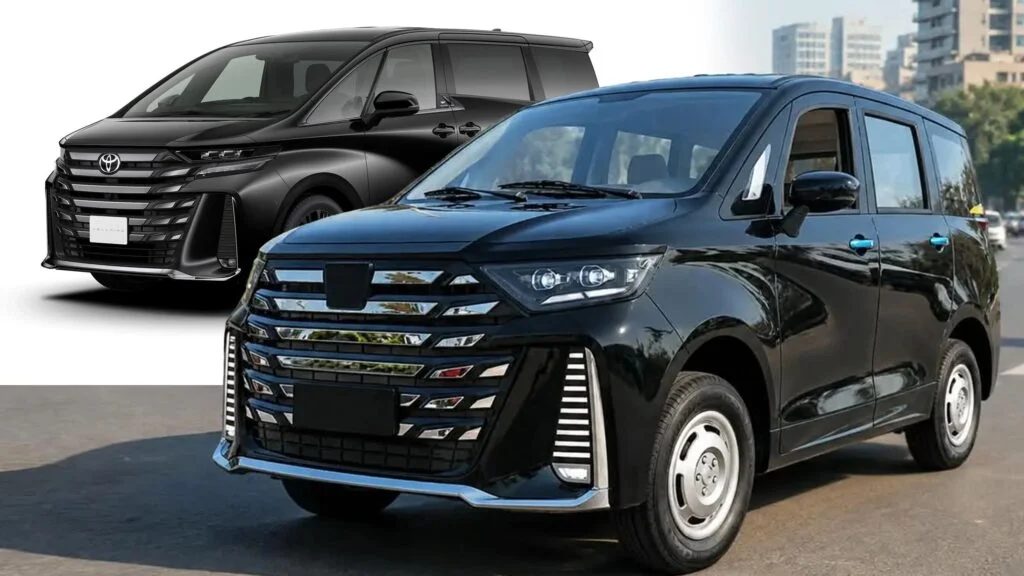
Pakistani automaker Nora EV has unveiled the Metro, a small electric vehicle that captures the essence of popular Toyota minivans like the Alphard and Vellfire, but in a more compact package. With a design that echoes these revered models, the Metro offers not just aesthetics but also affordability, priced to start under $11,000.
The Metro showcases a blend of familiar Toyota design cues; its front features a striking large grille and sleek headlamps, reminiscent of its inspirations. Unlike its larger counterparts, however, the Metro opts for conventional hinged rear doors instead of the more complex power-sliding doors typically seen on the Alphard and Vellfire. This choice undoubtedly reduces manufacturing complexity, which is a prudent move for a new player in the automotive industry, where operational inefficiencies can quickly cripple startups.
Comparison with Existing Models
Though the Metro channels the look of these larger minivans, its dimensions tell a different story. At just 3,900 mm (approximately 153.5 inches) long, the Metro is notably smaller than customary minivans, aligning more closely with European subcompact hatchbacks. Its 14-inch alloy wheels further emphasize its kei car appeal. By positioning itself in this dimension, Nora EV is likely targeting urban consumers who seek efficiency rather than spaciousness, reflecting a shift in priorities among city-dwellers.
Interior Features and Build Quality
Inside, the Metro projects a stylish yet budget-friendly vibe, mimicking premium vehicle aesthetics. The design includes dashboard elements that could easily pass for those in luxury models, though it primarily features plastic components with a modest infotainment display in the center. Standard amenities include Bluetooth connectivity, a USB port, push-button start, air conditioning, and power windows. While these features won't break new ground, they cater well to the demands of cost-conscious consumers looking for modern conveniences without the hefty price tag.
The underlying platform for the Metro hails from China but has been reworked to better cater to South Asian road conditions and the needs of taller passengers. This consideration hints at Nora's drive to create a product tailored specifically for its primary market. Many cars that suffer poor sales in the region often overlook such details, making Nora's attention to local needs potentially a significant asset.
Powertrain and Performance
Under the hood, the Metro is powered by a rear-mounted electric motor producing just 5 horsepower (4 kW), which translates to 4,000 Watts. This handful of power reflects its purpose as an urban vehicle rather than a speedster. Nora EV offers multiple battery configurations for the Metro, with options of 9 kWh, 15 kWh, and 23.1 kWh. The largest battery pack is projected to deliver a driving range of between 250 to 300 km (155 to 186 miles). This is adequate for most city commutes, but long-distance travelers might still find themselves limited.
Tackling range anxiety, Nora EV plans to introduce a network of battery swapping stations across Pakistan, aiming to ease concerns about charging times. This approach could transform how consumers view electric vehicles, particularly in a market where charging infrastructure may not yet match demand. Moreover, the Metro will also offer an optional range-extender version equipped with a small gasoline tank and generator, which can add an additional range of 150 to 180 km (93 to 112 miles). This could attract a broader customer base, spanning those wary of fully embracing electric technology.
Nora EV's Vision and Market Strategy
Nora EV was established in 2025 by Nousheen Azhar and Ali Raza, with aspirations that set it apart from competitors. Unlike other local firms that typically assemble imported kits, Nora is focused on establishing its own manufacturing capabilities, including the production of bodywork and other components. This strategic choice could set a precedent, as local manufacturing often faces tariffs or supply chain issues when reliant on foreign parts.
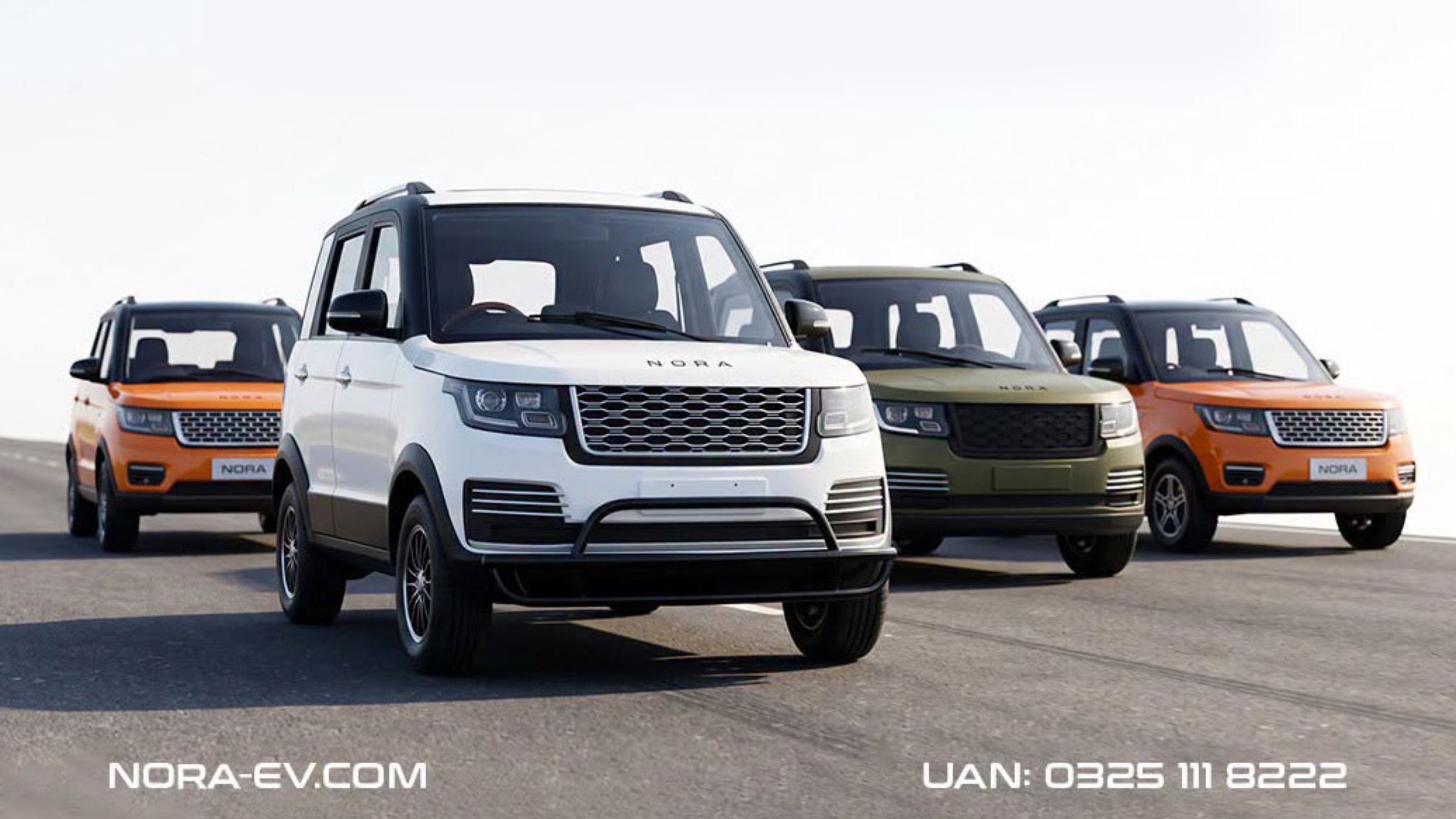
Besides the Metro, the company’s lineup includes the Nora E30, a small electric SUV inspired by the design of the previous-generation Range Rover, and the Nora Neo urban hatchback. The E30 is currently available for around 1,889,000 Pakistani Rupee (approximately $6,800). The Metro, set to launch soon, will begin selling under 3 million Pakistani Rupees (around $10,800), underscoring their commitment to offering affordable yet stylish electric vehicles. Nora's competitive pricing could position it well against not just local rivals, but also international brands seeking to make inroads into Pakistan's evolving automotive sector.
With its attention to market needs and local assembly efforts, Nora EV is positioning itself as a new player in the electric vehicle arena, one that blends appealing design with practical electric mobility.
Future Outlook: Opportunities and Challenges
The emergence of Nora EV is more significant than it looks. As the demand for electric vehicles increases globally, capturing the South Asian market poses unique challenges and opportunities. While local manufacturing can mitigate some risks tied to tariffs and logistics, Nora must also navigate consumer perceptions. Are electric vehicles genuinely viable for everyday use, or are they still associated with early adopters?
Moreover, if you’re working in this space, you'll want to keep an eye on infrastructure development. The establishment of battery swapping stations isn't just about convenience—it's an enticement for potential buyers who may otherwise be hesitant to transition from traditional fuels. The success of such initiatives could very well dictate whether Nora EV thrives or falters.
This ambitious gambit illustrates a microcosm of the larger shift towards electrification in emerging markets. Nora EV's approach might serve as a template for others in regions where conventional automotive supply chains are less established. However, customer education and government support will play critical roles in making the Metro and its peers not just a curiosity, but a mainstay.

Discussion
Sign in to join the discussion.