General Motors faces significant challenges as its electric vehicle sales plummet dramatically, indicating a troubling trend in demand.
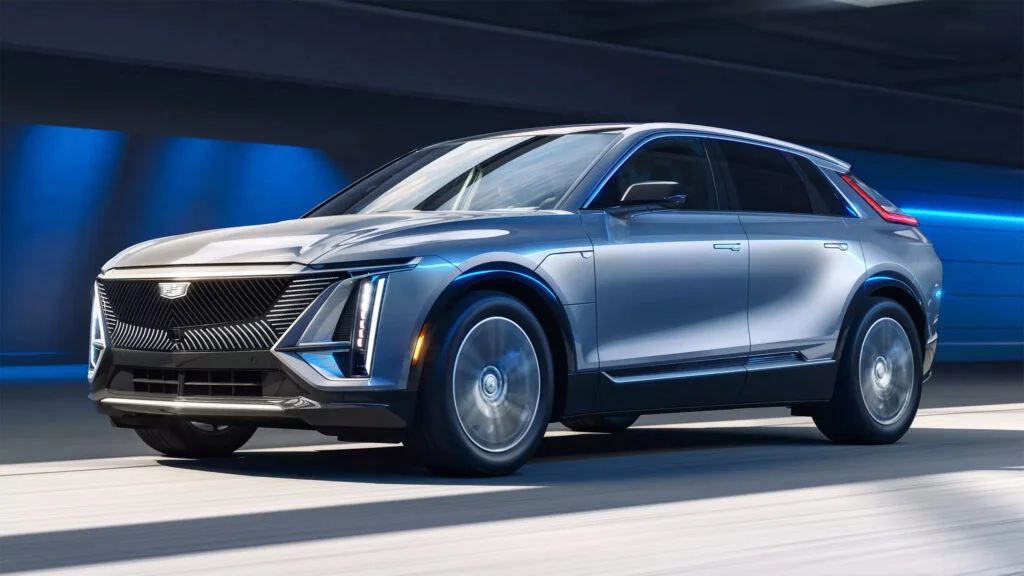
General Motors is grappling with a steep decline in its electric vehicle (EV) sales, as recent data reveals a dramatic downturn across its entire portfolio. Sales figures for the third quarter show significant losses for every EV model under the GM banner, raising concerns about the future of its electric ambitions. This downward trajectory comes at a time when automakers are increasingly competing in the EV space, making GM's struggles particularly notable.
Decline in Sales Across All Models
The Chevrolet Equinox EV, once a perceived beacon of GM's electric future, saw a staggering 92.4% drop in sales from a year ago, plunging to just 1,905 units compared to 25,085 in the same period last year. This plunge is alarming; the Equinox was expected to play a central role in GM's transition to electric vehicles. It’s more than a single model's performance—it points toward a larger issue in attracting consumers to GM’s electric offerings. This decline is part of a broader trend as the automaker’s overall vehicle sales fell 5.5% to 670,974 in Q3 2025, and 6.4% year-to-date, totaling 2,012,299 vehicles.
Cadillac's Disconcerting Numbers
Cadillac's performance was equally concerning, with significant drops across various models. The sales of the Cadillac Escalade IQ and IQL fell by 29.2%, totaling 1,604 units. When you consider Cadillac's aspirational positioning as a luxury brand, these numbers are particularly troubling. More alarming was the Cadillac Lyriq, which experienced a staggering 50.2% hit, reaching only 3,617 units sold. Total Cadillac sales plummeted 30% to 32,650 vehicles. This decline not only affects the luxury image Cadillac aims to project but also raises questions about brand loyalty and consumer perception. Are customers not seeing value in Cadillac’s transition to electric options?
Chevrolet's Struggles Continue
Chevrolet's lineup also felt the impact, with total sales down 4.6% to 437,321 vehicles. The Blazer EV’s sales fell sharply by 84.4%, selling only 1,261 units. These figures starkly contradict expectations set for Chevrolet's EV ambitions, especially given the brand's historical significance in the American automotive market. The situation worsened with the BrightDrop vans, which saw a 43.6% decrease in sales to 1,344 units. The Silverado EV reflected a similar fate, with sales dwindling down to 1,655, a 58% reduction. This overall decline underscores the challenges Chevrolet faces in an environment that’s shifting rapidly toward electrification.
GMC Faces Its Own Challenges
At GMC, the numbers aren't promising either. The Hummer EV, both SUV and Pickup models, combined for just 1,423 units sold, marking a decline of 72.9%. When high-profile models like the Hummer don’t resonate with buyers, it can signal a broader disconnect between consumer preferences and corporate strategies. Sales of the Sierra EV dropped 50.8%. Overall, the GMC brand recorded a slight fall of 4.7% in total sales, which stood at 157,103 vehicles. This performance adds to the anxiety surrounding GM's ability to pivot toward a more electrified future.
This steep decline in sales is partially reflective of a cooling EV market following the removal of the federal $7,500 tax credit last September. Such incentives often play a key role in consumer purchasing decisions and influence demand. In addition, GM is navigating through an increasingly competitive arena as rival automakers ramp up their EV strategies. This competition isn't just about technology—brand perception and consumer familiarity are pivotal.
Bright Spots Amidst the Gloom
While the EV sector shows concerning signs, not all segments of GM's lineup are struggling. Certain models, like the Buick Enclave, Encore GX, and Envista, reported sales increases of 3.4%, 5.4%, and 18.4%, respectively. These figures highlight that traditional combustion models may still hold strong, at least for now. The Cadillac CT5 and Chevrolet Colorado also posted modest gains, reflecting a reality that could provide a cushion while GM retools its electric strategy. However, (and this is the part most people overlook) relying on internal combustion models could delay necessary transitions to an electric-focused portfolio.
Future Outlook and Implications
As General Motors looks to its future, the significant drop in EV sales raises pointed questions about its strategies and market share in the automotive industry. These aren't just numbers; they reflect GM's struggle to meet consumer expectations and effectively compete in an increasingly crowded market. The coming quarters will be critical in determining whether GM can recover and reinvigorate consumer interest in its electric offerings. If you're working in this space, it's essential to keep an eye on GM’s adjustments and whether they can pivot quickly enough in a marketplace that is moving at a breakneck speed.
The implications of these sales figures go beyond mechanical problems or supply chain issues. They also touch deep on trust and consumer perception. Rebuilding that trust will take time and innovative strategies to show that GM is serious about electrification, but first, it must address the failures—not just to respond to today’s market but to shape tomorrow’s.

Discussion
Sign in to join the discussion.