Citroën is set to unveil an electric version of the iconic 2CV at the Paris Motor Show, with a planned production rollout in 2028 at an accessible price point.
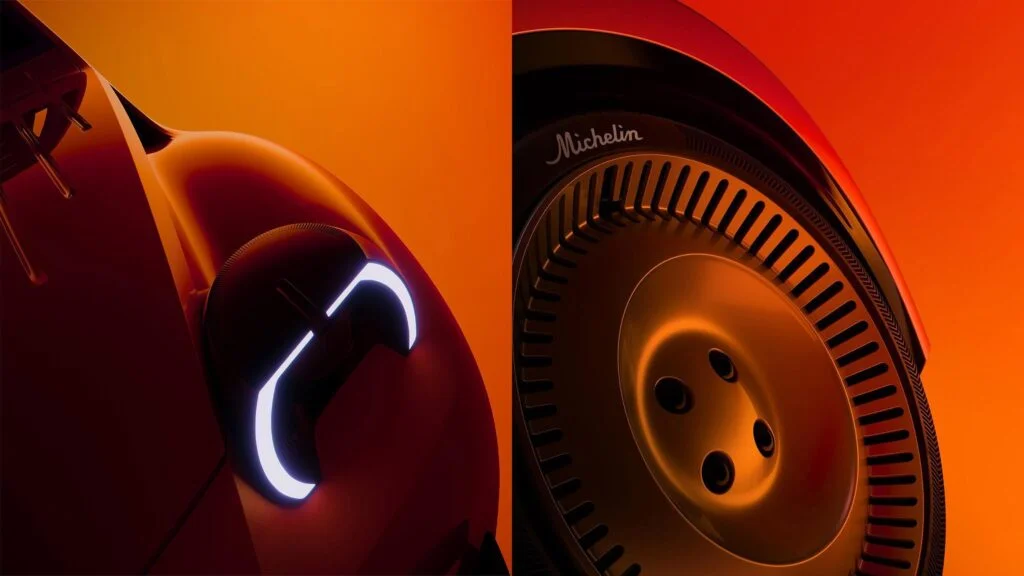
Citroën is gearing up to revive the beloved 2CV at the Paris Motor Show, set to take place on October 11. This new iteration of the classic French car will be fully electric, blending nostalgia with modern technology, and aims to keep pricing accessible for consumers. The concept will be shown first, with an actual production model scheduled for release in 2028.
Background and Market Trends
Citroën's plans to reintroduce the 2CV were set in motion earlier this year, and they've sparked considerable speculation and excitement. The revival coincides with a notable trend in the automotive sector where many manufacturers are looking to reestablish connections with their heritage models while adapting them to contemporary expectations. Nostalgia marketing is a powerful tool in this space—especially in the automotive sector, which often relies on deep emotional connections with iconic vehicles. Citroën's decision to electrify such a classic model speaks to a dual commitment: honoring its legacy while aligning with the increasing consumer appetite for electric vehicles (EVs).
This strategic decision also places Citroën in direct competition with several other brands that have successfully reintroduced their classic cars. Models such as the Fiat 500 and the discontinued VW Beetle have shown there is a market for modern interpretations of beloved classics. Yet, Citroën is faced with the challenge of carving out its unique space in a crowded field. The timing also suggests that Citroën is keenly aware of the growing EV market and the urgency behind it as governments and consumers increasingly prioritize sustainability.
Design and Features
The teasers showcase key features like a distinct grooved hood, semi-circular LED headlights, and retro-styled door handles. The design cleverly mirrors the original's silhouette while incorporating modern touches. For instance, the illuminated double-chevron logo at the front isn’t just stylish; it reflects a shift towards more vibrant aesthetics that appeal to today’s consumers who value both heritage and modernity.
Beyond just the appearance, Citroën describes the upcoming concept as a revival of a brand icon aimed at making urban mobility more accessible and appealing. The new 2CV is expected to occupy a smaller footprint than the current Citroën C3, effectively filling the gap left by the discontinued C1 and C2 models. This smaller design choice likely aligns with urban trends that favor compact cars designed for city living—where space is limited and efficiency highly valued. If you're working in this space, this shift in design philosophy is crucial. Adapting to consumer preferences is essential for success.
Affordability and Competition
Affordability plays a significant role in Citroën's strategy. The production model is projected to start under €15,000 (around $17,000) before any subsidies, positioning it as Citroën's most budget-friendly offering. This pricing strategy places it in direct competition with various traditional A-segment hatchbacks, including models like the Renault Twingo and the upcoming VW ID. Up. The emphasis on economic pricing mirrors a trend seen across the auto industry, particularly as consumers face rising costs in many areas. This can promote brand loyalty among buyers who desire a reliable, eco-friendly option without succumbing to high prices.
Citroën aims to attract consumers who are searching for safe, reliable electric vehicles without breaking the bank, especially now as the market for ultra-affordable EVs heats up. The hope is to tap into an emerging demographic of budget-conscious buyers who are becoming increasingly aware of the benefits of EV ownership. As it stands, this new offering might prove simpler and more refined compared to entry-level heavy quadricycles, which often lack the charm and history associated with the original 2CV.
A Legacy Reimagined
Reintroduced 36 years after the original 2CV’s discontinuation, this electric incarnation aims to honor its storied history. The initial model made its debut at the 1948 Paris Motor Show and was designed with practical features, capable of comfortably carrying two farmers and their produce with ease across all terrains. Its charming design and functionality not only made it a household name in France but left a mark on automotive culture globally.
The original 2CV garnered a following due to its unique design and efficient structure, leading to the production of over 5.1 million units during its lifetime. Such numbers illustrate how deeply embedded the 2CV is in automotive nostalgia. Citroën will showcase more than the 2CV at the Paris Motor Show; visitors can also expect other concepts and special editions, including the C3 Aircross Marine Nationale Concept and updates to the Outdoor lineup. (And this is the part most people overlook—the opportunity to present the brand's full potential at such platforms.)
As Citroën prepares for the official reveal, the community watches closely to see how the new 2CV will balance its rich heritage with the modern demands of consumers, bringing a sense of nostalgia to a new generation. This endeavor is not just about reviving a car; it's about cultivating a relationship with future drivers while honoring the legacy of the past.
Future Outlook and Significance
The revival of the 2CV is significant beyond mere design or pricing strategies. It could symbolize a shift where classic brands commit to sustainability while fostering nostalgia. If Citroën gets this right, the new electric 2CV might not only tap into the emotions of older generations but also attract younger consumers who crave authenticity and environmental responsibility. How they integrate technology, comfort and heritage will likely dictate the car's success in today's market.
What this means for you, the reader, is that the upcoming generations of vehicles might reflect a blend of modern technology and deeply rooted brand identities—essentially, a revitalization of classics that also serve the needs of today's environmental concerns. Citroën's bold move could inspire other automakers to rethink their pasts, potentially leading to a renaissance of other vintage models.

Discussion
Sign in to join the discussion.