Chinese car manufacturers are accelerating production timelines, prompting worries about safety and durability amid dwindling development periods.
Chinese Automakers and Record Vehicle Development
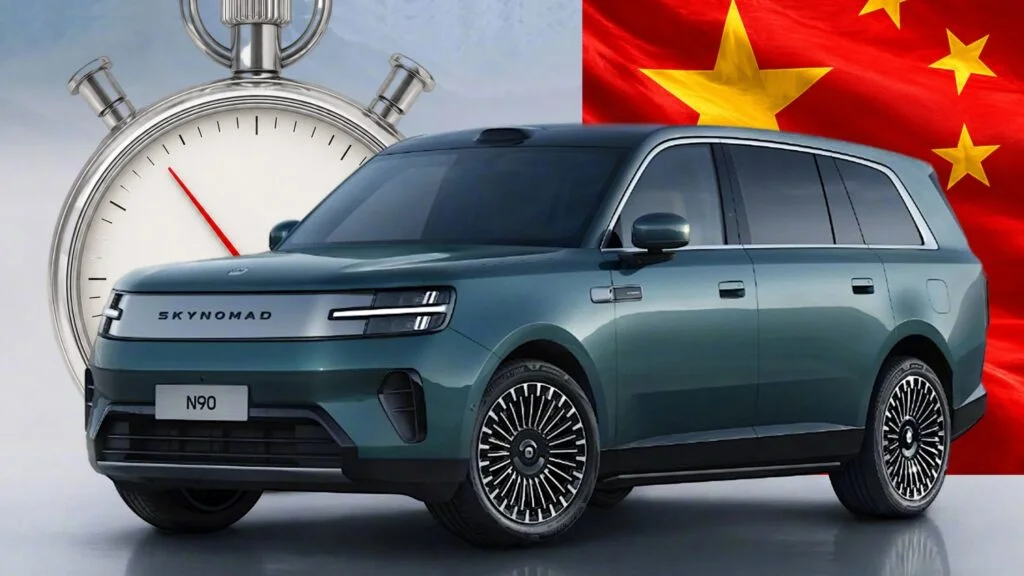
Chinese automakers are setting new records in vehicle development, with reports indicating they could complete entirely new cars in as little as 18 months. This accelerated pace has garnered attention from regulators and industry experts alike, who are becoming increasingly concerned about potential compromises on safety and reliability. The Chinese automotive market has become a significant player on the global stage, pushing boundaries and implementing rapid changes that bring both opportunity and risk.
Comparative Timelines in the Auto Industry
Historically, the standard timeline for launching a new vehicle in China has hovered around two years. In contrast, established Western brands often require three to five years to bring a new model to market. This difference indicates that Chinese manufacturers are not only more agile but are also keenly aware of the pressing demands of a highly competitive marketplace. However, advancements in artificial intelligence are projected to help Chinese manufacturers shrink this cycle even further. Experts from IAT Automobile Technology and the China Association of Automobile Manufacturers suggest that a new industry benchmark of just 18 months could soon be achievable.
The implications here are significant. If this trend continues, it could reshape global automotive competition. Western manufacturers, long accustomed to a more leisurely pace, might face existential challenges. What was once an advantage—resources devoted to thorough testing and development—could become a liability in a landscape dominated by quicker production cycles.

Western Industry Responses to Accelerated Timelines
This speed is starting to turn heads beyond China’s borders, as Western brands are exploring ways to adopt some of these efficiencies. Renault managed to develop its new Twingo E-Tech in just 21 months, while Volkswagen's ID.UNYX 08, created in collaboration with Xpeng, came to fruition in a mere 24 months. These efforts signal that Western automakers are not entirely passive in the face of this burgeoning speed race, yet they still demonstrate the limitations posed by longstanding practices and regulations.
While it’s commendable that Western brands are attempting to catch up, the context reveals a frustrating reality: they are simply responding to a challenge instead of heading it off at the pass. The movement toward faster timelines is also indicative of an industry in transition to electric and hybrid vehicles, where efficiencies can be significantly improved through technology. However, the ability of Western automakers to truly adapt remains to be seen, especially when they have to juggle their slower, more methodical development processes with immediate market needs.
Regulatory Pushback and Safety Concerns
Despite these advancements, there’s mounting pressure on Chinese regulators. They've initiated a year-long safety campaign, addressing concerns that shrinking development timelines may lead to lapses in crucial safety checks. Inspections are becoming unannounced, and new proposals aim to enhance testing requirements for new energy vehicles by doubling the mandated road testing distance to 30,000 km (about 18,600 miles). The underlying worry is that not all testing can be condensed when evaluating physical durability.
Regulatory bodies must walk a tightrope. Encourage innovation, but not at the expense of safety. Car buyers need reassurance that they'll be safe in these vehicles, especially with the accelerated pace of development. The push for higher testing standards is an acknowledgment of this reality. However, can regulators catch up with the rapid pace of development? That’s a looming question that could define the industry’s future relationship with oversight.

Industry Executives Weigh In
Notably, some Chinese executives share these regulatory concerns. Li Xueyong, vice president of Chery, expressed on social media the belief that many development timelines simply can't be shortened without risking vehicle integrity. The challenge lies in balancing fast development cycles with thorough testing, especially as consumer expectations for rapid model launches increase. A fascinating perspective given the pressures competing automakers face.
Fellow industry leaders like Geely's chairman, Li Shufu, echoed these sentiments, questioning the feasibility of slowing down production amidst intense competition for market share. The fast-paced environment leaves little room for complacency. (And this is the part most people overlook) — many of these executives recognize the inherent risks of compressed timelines but feel forced to compete in an aggressive market.
Technology Integration in Automotive Production
While the integration of AI is expected to bolster efficiency in tasks such as digital validation and component checking, the automotive sector must discern where these technologies can safely accelerate processes and where traditional, comprehensive testing remains imperative. It’s not just about speed; it’s about safety too. Rushing this integration could yield short-term gains but might lead to long-term consequences that are far more damaging.

The Implications for the Future of Automotive Development
This entire scenario raises important questions about the future of automotive development. What this means for you, especially if you're working in this space, is that changes are afoot. While speed may currently be the focal point, it can’t come at the price of safety. As companies like Chery and Geely push for accelerated timelines, how will consumer trust hold up? If vehicle recalls become more frequent—or worse, if new models are involved in safety incidents—the reputational damage could be substantial.
In the long haul, this pressure to adapt may result in a reset. Rapid development cycles might appear appealing, but at what cost? The industry could soon find itself at a crossroads, forced to confront the complexities of speed versus stability. As these conversations evolve, they will undoubtedly shape both market expectations and regulatory frameworks in the years to come.



Discussion
Sign in to join the discussion.