Rivian plans to price its upcoming R3 model significantly lower than the R2, with an entry-level R4 also in the works to broaden its market appeal.
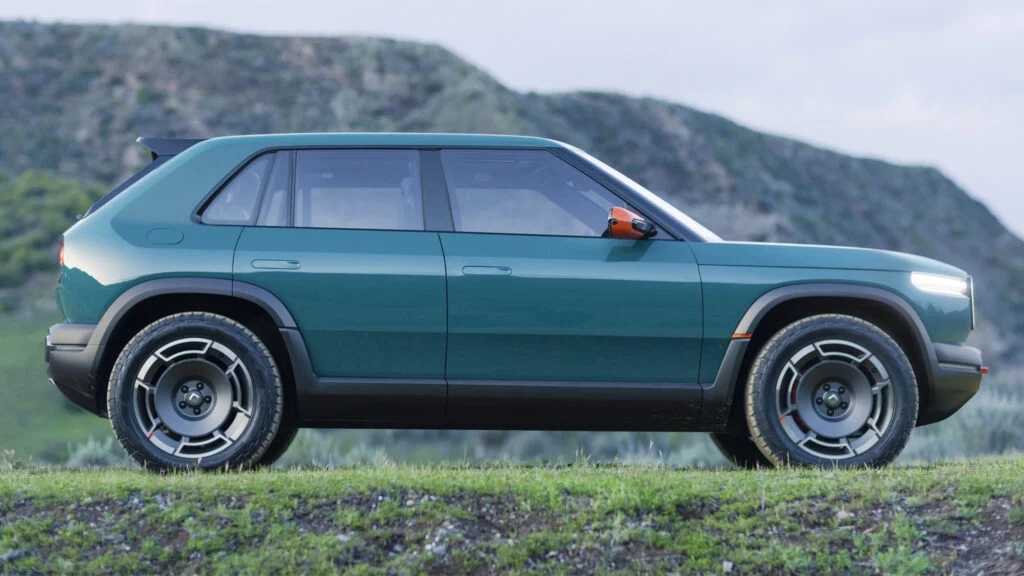
Rivian is on the cusp of unveiling its R3 model, which is anticipated to be a key player in the brand's growth strategy. As production ramps up for the R2, the company is gearing up to make the R3 a more accessible option within its range, potentially making it Rivian's highest-volume seller.
Rivian's Strategic Positioning
If you’re keeping an eye on the electric vehicle (EV) sector, you can't help but notice Rivian's approach. This company, relatively new to the automotive landscape, has emphasized rugged, adventure-ready vehicles like the R1T truck and the R1S SUV. The introduction of the R3 model appears to be a strategic pivot, aligning its offerings with a broader market. It could represent Rivian's chance to appeal to a larger audience by tapping into a price range that’s more competitive.
There's a reason Rivian is focused on making the R3 more accessible—it’s crucial for growth. The EV market is rapidly saturating, with established players like Tesla and emerging contenders vying for consumer attention. Rivian must excel not just in performance but in affordability. Being a premium brand isn't enough if you want to achieve long-term viability; it needs to make headway in the mainstream market as well.
The Pricing Challenge
The planned pricing for Rivian's R2 is $45,000 to $57,990, squarely placing it in competition with popular EVs such as the Tesla Model Y. However, the hurdles are high. According to industry analysis, breaking into the affordable segment can be a tough nut to crack for newer automotive manufacturers. Tesla has set the bar, and while models like the Nissan Leaf already occupy the lower price brackets, Rivian is undeterred.
As RJ Scaringe recently highlighted, the R3 will be priced "materially lower" than the R2. Speculation suggests it could land in the $35,000 to $40,000 range, which would set the stage for Rivian to become a prominent player against low-cost models like the Leaf. And yes, that makes this forthcoming vehicle significantly appealing. But a lower price point won't automatically translate to higher sales. The company will need to convey strong value without sacrificing quality or technology.
Specifications and Performance
Rivian isn't stopping with the price point; the technical features of the R3 are equally enticing. The model is expected to offer two battery options and configurations for single, dual, and tri-motor setups. A range-oriented variant exceeding 300 miles on a single charge is impressive, particularly given the persistent consumer concern about EV range anxiety. A performance model aiming for a sub-three-second sprint to 60 mph will likely attract enthusiasts who crave speed alongside sustainability.
This is more significant than it looks. The R3's specifications may serve as a critical differentiator in an increasingly crowded market. Consumers are more informed than ever, and performance metrics can sway decisions. As such, Rivian appears to be positioning itself to cater to both everyday drivers and thrill-seekers alike.
Concerns of Competition
In a candid moment during a recent talk, Scaringe pointed toward the looming threat of competitively priced Chinese imports. The current landscape shows that American manufacturers are increasingly concerned about the cost advantages that Chinese factories possess. Lower labor and utility costs could give these imports a formidable edge, leading to a troubling imbalance in the market.
Scaringe's call for tariffs to protect local industry isn't just about patriotism; it reflects a broader need for U.S. manufacturers to defend themselves against this aggressive foreign competition. If left unchecked, as Scaringe warns, the attractiveness of relocating operations to China becomes a real concern. This sentiment isn't just anecdotal; it's echoed by various industry analysts who are observing the implications of global cost structures on local production.
And this is the part most people overlook. While tariffs could provide short-term relief, they might also lead to increased prices for consumers. An increase in final prices could hinder Rivian's ability to attract budget-conscious buyers, which would counteract their push toward making EVs accessible.
Future Outlook and Industry Implications
As Rivian advances with the R3, the implications go beyond just company-specific success or failure; they signify a possible shift in the affordable segment of the EV market. With pricing strategies that target a broader audience, Rivian is signaling that it intends to reshape current market dynamics. If it succeeds, the R3 could put pressure on competitors to lower prices or enhance their value propositions.
The automotive industry is indeed at a crossroads, particularly in the EV segment. The rise of brands like Rivian can lead to a paradigm shift among consumers and manufacturers alike—especially if what they're offering resonates with buyers seeking combo deals of performance, technology, and affordability. If you're working in this space, tracking exactly how Rivian navigates these challenges could provide insight into broader trends affecting electric vehicle adoption.
With the stakes this high and competitive pressures mounting, Rivian’s forthcoming R3 model might just be the benchmark many have been waiting for—assuming they execute as intended.

Discussion
Sign in to join the discussion.