A Washington family sues Tesla, claiming their Model X surged through a red light without input, raising questions about Autopilot safety features.
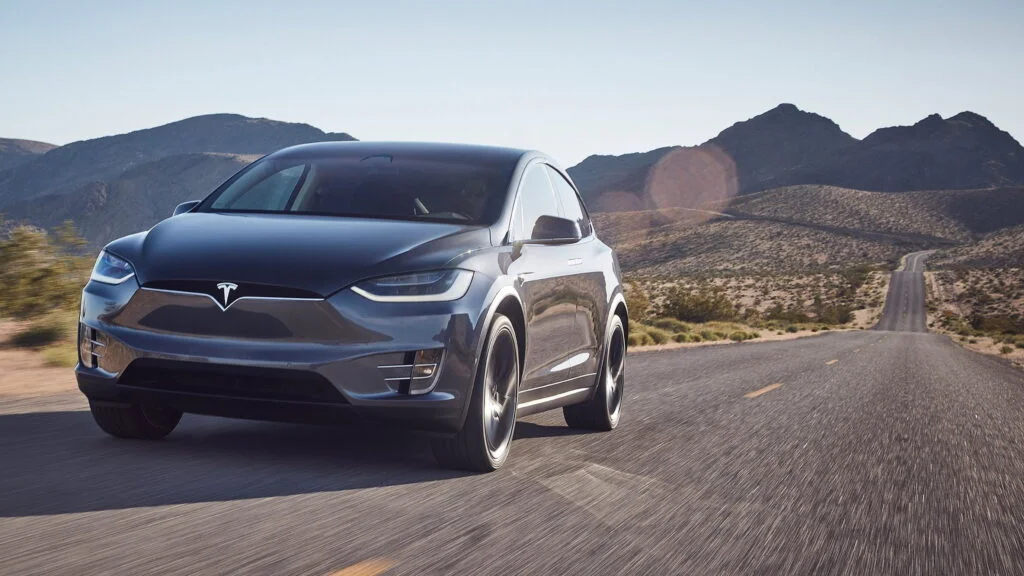
A disturbing incident involving a Tesla Model X has led a Washington family to file a lawsuit against the automaker, alleging that their vehicle accelerated uncontrollably at a red light, resulting in a crash. This case underscores ongoing concerns about Tesla's Autopilot technology and its performance in critical situations that test its limits. With a growing fleet of vehicles on the road equipped with advanced automation features, every incident like this raises fundamental questions about their safety and reliability.
The Incident: A Frightening Experience
On June 29, 2023, Linh Nguyen and his 14-year-old daughter were halted at the intersection of 144th Street Northeast and 124th Avenue Northeast in Kirkland when their 2023 Model X allegedly surged forward without any driver input. According to the lawsuit, the vehicle collided with a curb, fortunately avoiding other vehicles during the incident. The very nature of this incident highlights critical concerns regarding driver control and the capabilities of automated systems during unexpected situations.
Nguyen reported sustaining multiple injuries, including damage to his neck and back, along with emotional distress affecting his daughter. The family is pursuing compensation from Tesla for medical expenses and related losses, signaling that they believe the incident was directly linked to a malfunction within the vehicle's systems. The implications of this accident extend beyond personal suffering; they touch on broader societal questions surrounding accountability when automation malfunctions.
Claims Against Autopilot: A Question of Control
The lawsuit specifically targets Tesla's Autopilot feature, claiming it failed to prevent the vehicle from accelerating unexpectedly. Furthermore, it’s alleged that Nguyen was unable to regain control by either braking or steering, suggesting a potential flaw in the automation software's handling of critical driving scenarios. This brings to the forefront an essential issue: in moments where human intervention becomes vital, how do these systems perform?
Interestingly, Nguyen mentioned he paid an additional $15,000 for the Autopilot technology, raising questions about the specific system purportedly at fault for the crash. Tesla has a history of structuring its pricing for advanced driving aids, including a distinct cost for its Full Self-Driving technology, which adds layers to the discussion around what systems might have played a role in this incident. As consumers invest substantially in these technologies, the expectation for reliability is heightened—especially when safety is at stake.
Past Incidents: A Troubling Trend
This isn't the first time Tesla has faced scrutiny. The National Transportation Safety Board (NTSB) previously investigated a fatal accident involving a Model X in 2018, where Autopilot was determined to have played a role. However, this case is different—while past incidents involved steering miscalculations, Nguyen’s report describes a sudden acceleration that behaved more like a test of speed than a simple navigation error. Historical context beckons here, as Tesla continuously defends its technology against claims of malfunctions, yet such repeated incidents could signal systemic issues that require examination.
Data Visibility: The Key to Clarity
The potential for data from the vehicle to provide clarity in this case cannot be understated. Critical details such as accelerator position, brake usage, vehicle speed, and system status at the time of the incident could clarify whether driver error or mechanical fault led to this troubling event. Previous analyses by the National Highway Traffic Safety Administration (NHTSA) pointed out that many claims of sudden acceleration often boil down to mistakes made by drivers rather than issues with the vehicle itself. Still, this raises an important question: How transparent is Tesla when it comes to sharing this data?
As it stands, the insurance and legal implications of this case could hinge largely on the vehicle logs being reviewed. Whether this incident follows the pattern of pedal misapplication or indicates a flaw within Tesla's autonomous systems remains to be seen. If you're working in this space, or even if you’re a consumer of such technology, you should understand that the majority of speculation will likely center around whether sufficient data will be made available to either corroborate or refute the family's claims.
Implications for Tesla and Automated Vehicles
While this ongoing lawsuit may resemble other litigation Tesla has faced in the past regarding similar complaints, it emphasizes an urgent need for transparency around the implications of automated vehicles on road safety. As automated systems become more prevalent, understanding their limitations is essential not just for manufacturers, but for regulators and consumers alike. And it’s this uncertainty that could ultimately influence public perception of automated technologies.
As data becomes available, stakeholders will be watching closely to see how Tesla addresses this incident and its accountability regarding vehicle safety. The future landscape of autonomous vehicles may very well depend on how well such concerns are managed. This situation could either reinforce the trust that many consumers have in these systems or significantly erode public confidence, forcing companies to rethink their approaches to safety and communication.

Discussion
Sign in to join the discussion.