Stellantis launches budget-friendly versions of the Citroen Berlingo and Opel Combo in Europe, enhancing practicality with interior updates.
New Budget-Friendly Trims
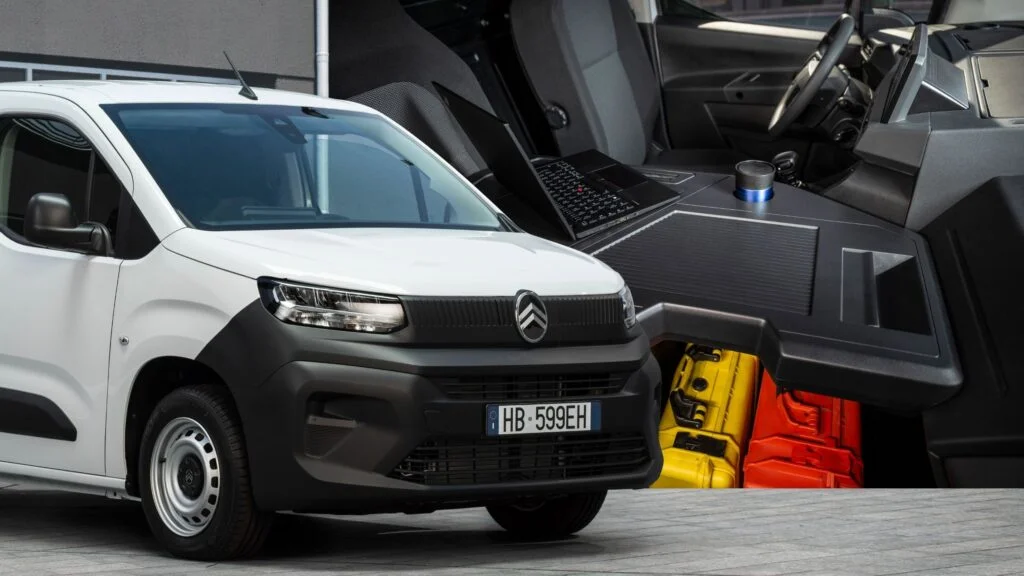
Stellantis has rolled out two new entry-tier trims for the Citroen Berlingo and Opel Combo in Europe, making these vans more budget-friendly without sacrificing functionality. The introduction of the Citroen Berlingo Van First and Opel Combo Start signals a strategic move to capture budget-conscious consumers and small businesses needing affordable transport solutions. These base models are enhanced with a completely redesigned interior aimed at creating an efficient workspace, and they offer a diverse selection of powertrains including gasoline, diesel, mild-hybrid, and electric options. The range improves their appeal to a broader audience, positioning Stellantis favorably in a competitive market where fuel efficiency and versatility are increasingly demanded.
Exterior Adjustments: Practicality Over Aesthetics
The Citroen Berlingo and Opel Combo have received exterior tweaks that focus on durability rather than aesthetics. A shift to unpainted bumpers and a simplified grille design differentiates them from their higher-end counterparts. By replacing body-colored finishes with practical plastic, Stellantis is emphasizing the utility these vehicles provide, which is a key consideration for small business owners. The overall body remains unchanged, ensuring that both models maintain the durability essential for their intended use. This decision reflects an understanding of the typical buyers of commercial vehicles—they prioritize function over flash, often working long hours in tough conditions where wear and tear is expected.
Interior Overhaul for Enhanced Functionality
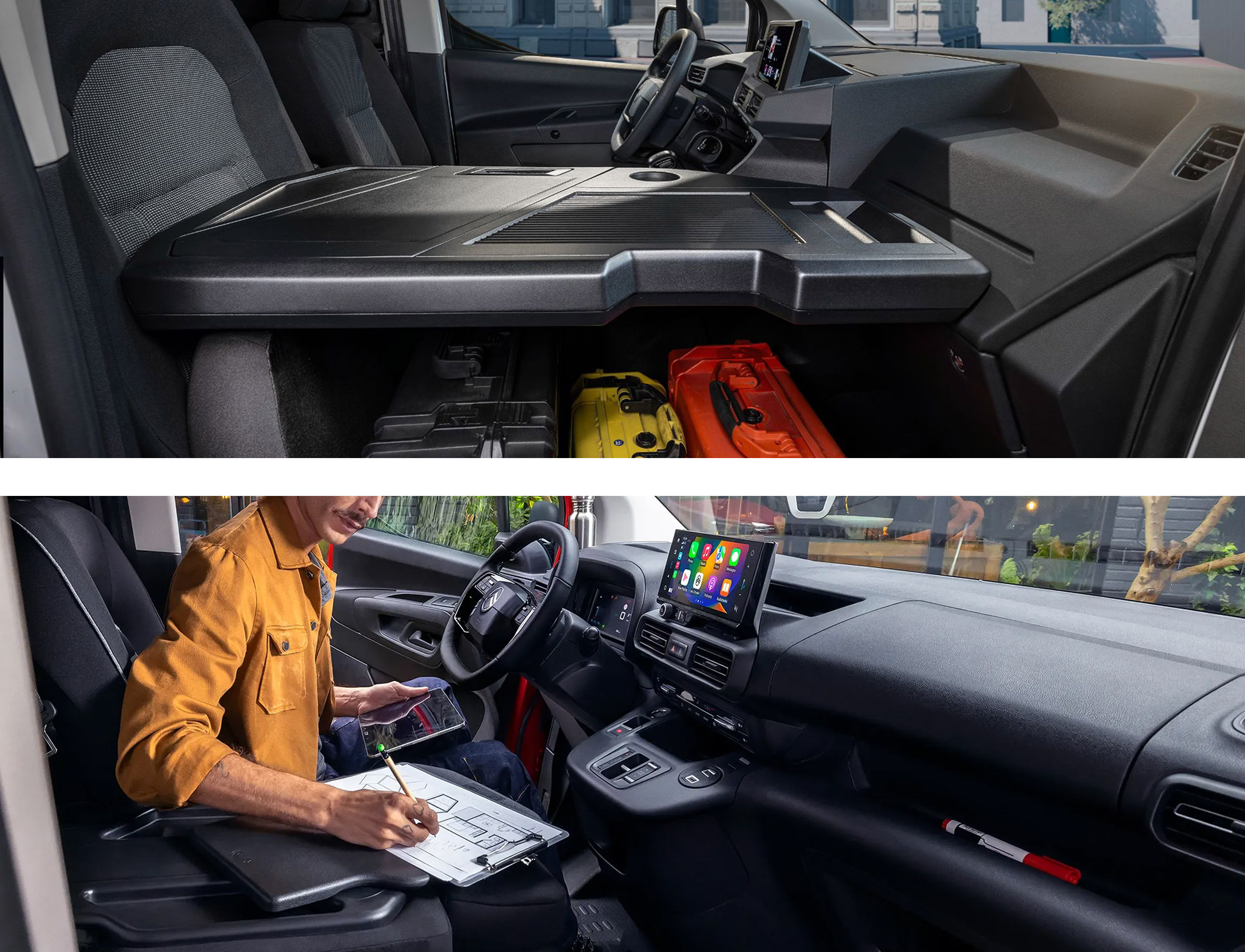
Inside, these vans feature significant modifications designed to bolster practicality, raising questions about why similar enhancements weren't widely adopted across the entire Combo and Berlingo range. The newly redesigned dashboard and door panels focus on better durability and ergonomics, catering to small business owners and fleet operators who rely on these vehicles for various tasks. Investing in comfortable, practical interiors for business vehicles can boost worker morale and productivity—factors that are often overlooked in terms of employee satisfaction.
Among the highlights are additional shelving on the dashboard and a new storage drawer beneath the driver’s seat. The inclusion of the FlexiSeat for the front passenger adds crucial versatility, allowing it to fold up to create extra space, thereby increasing the overall load capacity by about 0.5 cubic meters (17.7 cubic feet). With the demand for multifunctional vehicle spaces rising, this design element demonstrates a clear understanding of customer needs.
Moreover, the
Cargo Capacity and Performance Options
The Citroen Berlingo and Opel Combo maintain two body lengths, accommodating a cargo volume ranging from 3.3 to 4.4 cubic meters (116.5 to 155.4 cubic feet). The payload capacity holds steady at around 1,000 kg (2,205 lbs), providing ample utility for various business needs. In an age where versatility is paramount, this aspect can't be understated. As for powertrains, these entry-level models offer a variety of choices including gasoline, diesel, and an electric variant, with a mild-hybrid option anticipated by 2027.
The turbocharged 1.2-liter engine delivers solid performance at 109 hp (81 kW / 110 PS), while the 1.5-liter turbodiesel is available in two outputs: 101 hp (75 kW / 102 PS) or 129 hp (96 kW / 131 PS). All gasoline and diesel engines are paired with a six-speed manual transmission, signaling a focus on straightforward driving experiences. The upcoming mild hybrid will feature a dual-clutch automatic transmission, expanding on the user-friendly experience. On the electric front, the vehicle includes a single motor generating 134 hp (100 kW / 136 PS) and boasts a 42 kWh battery, promising a range of up to 270 km (168 miles) based on WLTP standards. This is particularly relevant for city drivers who are shifting to electric for lower operational costs and better city access.
Pricing and Market Position
The base Opel Combo Start starts at around €22,400 ($26,000) in Germany for the gasoline version, a reduction of approximately €1,000 ($1,200) compared to previous models. Diesel options begin at around €23,200 ($26,900), while the electric variant starts at around €28,500 ($33,100). Although Citroen has yet to reveal pricing for the Berlingo Van First, similar price points are anticipated, aligning closely with the Combo Start.
What this means for you is competition in the light commercial vehicle market is heating up, particularly as Citroen considers whether to apply these practical updates to its related models, such as the Peugeot Partner, Fiat Doblo, and Toyota ProAce City. The value proposition these new entry-level models offer could significantly influence purchasing decisions in a sector where fleets are often governed by tight budgets and increasing operational demands. All eyes will be on Stellantis as they navigate these market dynamics, which could shift the balance for many small businesses reliant on utility vehicles.
Future Outlook: Implications for the Market
As the logistics and transportation sectors adapt to trends emphasizing cost-efficiency and sustainability, the introduction of these new trims places Stellantis in a favorable position amid mounting pressure from competitors. The entry-level focus might seem like a cautious approach, but it recognizes a growing demographic of small business owners who prioritize affordability. If other brands follow suit with similar models, we might see a wider shift in the industry toward more practical, budget-friendly commercial offerings.
Stellantis has successfully tapped into a crucial market segment. The reception these models receive will likely set the tone for future offerings, not just within the Stellantis family but across the industry as well. The implications could be far-reaching—potentially redefining what budget vans deliver in terms of usability and cost-effectiveness. The landscape is shifting, and it will be interesting to watch how Stellantis and its competitors respond in the coming years.

Discussion
Sign in to join the discussion.