Volvo is set to unveil a concept vehicle that embraces its heritage while reintroducing physical controls for a better user experience.

As Volvo gears up for a bold entry into the future, the automaker is poised to showcase a new concept car next year that highlights its storied design evolution. This upcoming model is part of a larger strategy aiming to expand Volvo's market presence, including the introduction of 13 new vehicles by 2030.

The teaser image recently released offers limited insight, yet it's clear that Volvo's CEO, Thomas Ingenlath, envisions a fresh design language that will influence the entire lineup. This vehicle appears to be an SUV, with a prominent hood and a commanding grille, hinting at the muscular aesthetic typical of the brand.
Ingenlath underscores the importance of heritage for Volvo, stating, “The brands that have heritage have a strong history.” He emphasizes that the iconic features such as the diagonal slash in the iron mark and the distinctive grille will continue to define Volvo cars.
Reviving Traditional Controls
In a shift towards consumer preferences, Volvo is also focusing on making its interiors more user-friendly. Ingenlath admitted that the company has become overly dependent on touchscreens, which has drawn criticism from both consumers and industry experts. The future models will feature a return to more physical buttons, aiming to strike a balance between digital and tactile interactions.
“The over-emphasis of screens and the interaction with them is something we’ve been criticized for. We need to create a better harmony and balance,” said Ingenlath. He assured that although Volvo will maintain touchscreen functionality, they will use it more judiciously, allowing traditional switchgear for essential functions like climate controls as a likely move forward.
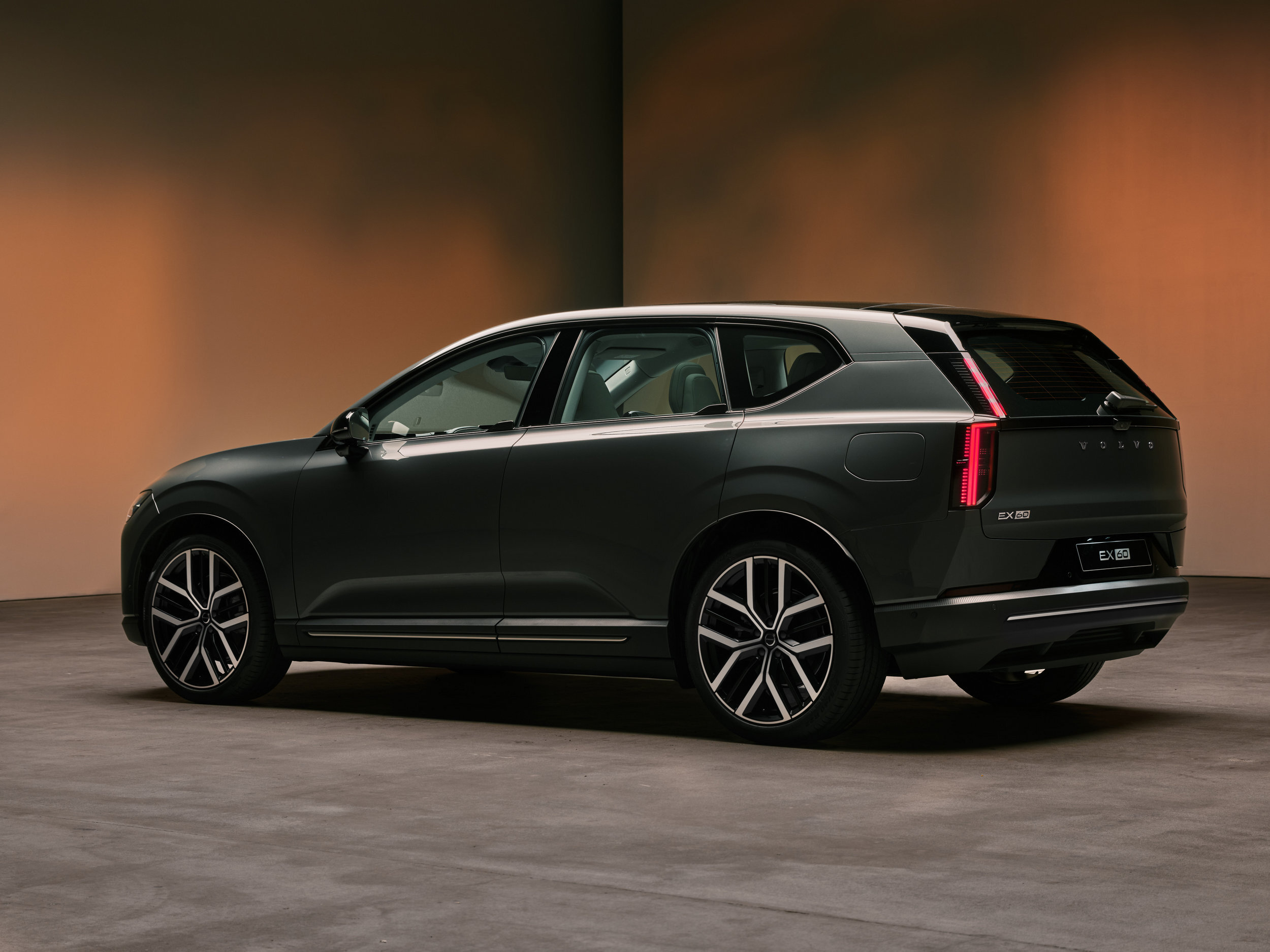
As Volvo prepares to redefine both form and function in its vehicles, this upcoming concept aims to not just hypnotize with its aesthetics but also offer drivers a more engaging in-cabin experience. Ingenlath's focus on embracing historical design cues while enhancing user functionality could signal a noteworthy shift in the brand's approach to building vehicles.
Volvo is clearly betting that by melding its rich heritage with modern user expectations, it can capture a larger share of the automotive market while keeping its identity intact.
Heritage Meets Modern Needs
Volvo's emphasis on heritage reflects a growing trend in the automotive industry, where manufacturers leverage their long histories to establish an emotional connection with buyers. As more consumers gravitate towards brands with established legacies, this strategy could prove beneficial for Volvo. The ability to tap into nostalgia while still addressing contemporary demands may set it apart from competitors who lack a similar depth of history.
This blend is more significant than it looks. In an age where automotive technology is rapidly evolving, traditional features are often overshadowed. Yet, there's something comforting about familiar controls that many drivers find appealing. Acknowledging that, Volvo is attempting to cater to sentimental preferences while still pushing forward with modern technology.
Market Strategy and Future Implications
This upcoming concept car doesn't just represent a change in design philosophy; it could also signal a strategic pivot in how Volvo positions itself within an increasingly competitive automotive market. The introduction of a substantial number of new vehicles—13 by 2030—indicates Volvo isn't just responding to market pressures but actively seeking to define its place among the titans of the industry.
The vehicle's design and technological advancements could also speak volumes about Volvo's vision post-internal combustion engines. With increasing scrutiny on emissions and a clear shift toward electric vehicles, how Volvo integrates new technologies remains to be seen. They might explore hybrid solutions, but the future appears electric, as is the trend globally.
And yet, the integration of physical controls alongside touch interfaces may also unveil new paths for Volvo. If you're working in this space, consider how the balance between digital and tactile user experiences can influence consumer perceptions and preferences. This could resonate widely, particularly as automobiles become more like large smartphones with wheels.
As the unveiling approaches, observers will likely scrutinize how these design elements play out in practice. Will consumers appreciate the amalgamation of old and new, or will they see it as a half-hearted attempt to cater to nostalgia? The balance and changes to usability will unfold with the model’s launch and subsequent reception.

Discussion
Sign in to join the discussion.