Porsche is reportedly planning to launch a new eight-cylinder flagship supercar while facing significant job cuts and a strategic production shift.
A recent report suggests that Porsche is considering a new flagship model featuring an eight-cylinder engine, marking a departure from its traditional flat-six design. This move appears to be part of a broader strategy to reinvigorate the brand in light of declining sales and a challenging market environment, particularly in China.
Porsche's Engine Evolution
Porsche's decision to consider an eight-cylinder engine is significant not just for the company but for the industry as a whole. Traditionally, the flat-six engine has been the heart of Porsche's identity, providing both the performance and sound that enthusiasts crave. The shift to an eight-cylinder engine could be a response to the growing competition in the luxury sports car segment, where brands are pushing for more power and performance specifications that appeal to a new generation of buyers.
You'll often find that performance metrics can become a deciding factor in a buyer’s choice. In a time where electric vehicles are making headlines, a return to a more powerful combustion engine may seem counterintuitive. Yet, the allure of a traditionally powered supercar might spark interest among traditionalists and newcomers alike. This is more significant than it looks; it reflects a careful balancing act between heritage and the future of automotive technology.
Market Challenges and Strategy Shift
Michael Leiters, Porsche's CEO, is expected to unveil the company's strategic intentions, including this new model, during the upcoming capital markets day on October 7. This announcement signifies a commitment to both maintaining combustion engines and enhancing the brand's exclusivity.
The timing is critical. With a notable drop in sales, especially in markets like China, tapping into consumer desires for uniquely powerful models becomes increasingly strategic. Amidst a sea of electrification, a high-performance eight-cylinder option could capture attention and draw in buyers willing to spend for exclusivity.
That said, this isn’t just about a new engine; it also reflects Porsche's efforts to reestablish itself as a leader in the performance automotive market. If you’re working in this space, you’ll recognize that the transition from producing mass-market vehicles to higher-end models could redefine Porsche’s brand image in the long run.
The S1: A Potential New Era
The new vehicle, tentatively named the S1, will reportedly be powered by a boxer engine—a configuration Porsche has previously used exclusively in its race cars. Notably, while other companies like RUF have recently launched similar eight-cylinder setups, Porsche's entry into this territory for road cars would be unprecedented.
It's critical to understand what this shift implies for Porsche's engineering philosophy. The boxer engine configuration is widely recognized for its low center of gravity and balanced handling characteristics. These benefits can significantly enhance performance, a factor that serious buyers will weigh heavily when making purchasing decisions.
Moreover, as automotive engineering continues to integrate advanced technologies, such as hybrids and electric systems, the value of sticking with traditional configurations becomes a topic of much debate. The reimagining of the S1 under the banner of an eight-cylinder could be seen as a bold, risky move, but it aligns intriguingly with consumer nostalgia for raw, mechanical performance.
Navigating Financial Adjustments
In conjunction with product developments, Porsche is also navigating financial pressures. A report from
Handelsblatt indicates that the company is preparing to cut an additional 4,100 jobs on top of an earlier decision to reduce its workforce by 9,000. These cuts, projected to be finalized by 2035, would represent a significant reduction of nearly 20% of Porsche's total personnel.
Layoffs of this magnitude are often a last resort, but they may also signal deeper issues within the organization and the automotive sector as a whole. The workforce reductions could serve as a mechanism for reallocating resources towards more profitable areas, such as high-end models that offer premium price points. This stark pivot reflects shifting industry dynamics; the push for profitability can often overshadow traditional production goals.
While Leiters aims to lower annual production to around 200,000 vehicles—a sharp contrast to former CEO Oliver Blume’s ambitions of ramping up production—what this really shows is a move to focus on high-value, exclusive models rather than high-volume production. It’s a classic case of quality over quantity, and one that some might argue is overdue.
Design and Pricing: Luxury Reimagined
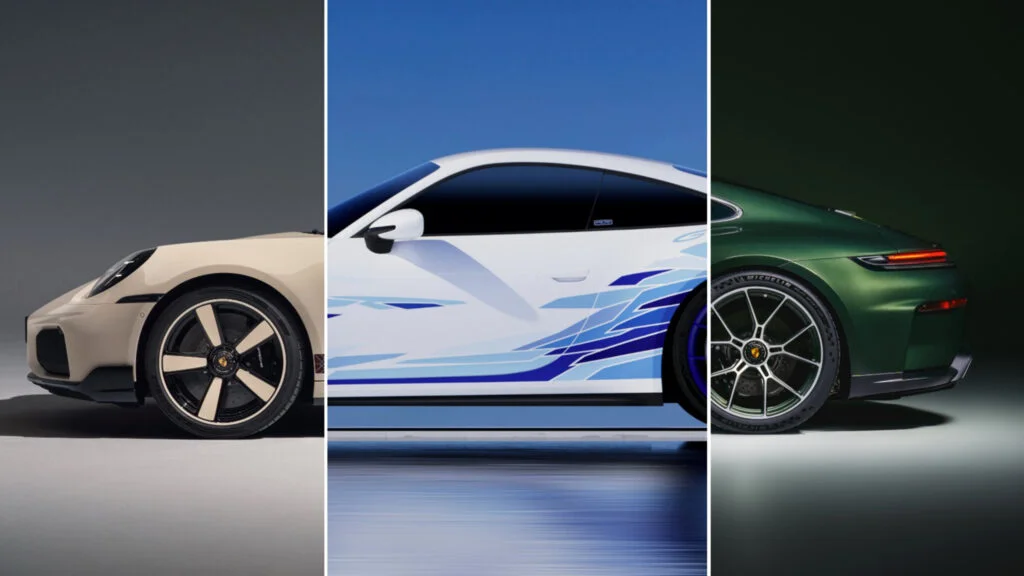
Anticipated design elements for the new supercar might share aesthetics with the
Porsche 911, yet the price point is set to hover around €500,000 ($574,000), far above entry-level models, further emphasizing its luxury appeal.
Pricing a car at this level is a bold statement. This isn’t just about the buying power of affluent consumers; it's a reflection of the brand's identity. With buyers at this price point demanding not just performance but also exclusivity and craftsmanship, Porsche’s focus on creating a supercar with these features conveys its ambition to compete at the highest levels among luxury car brands.
And this is the part most people overlook: when you step into a supercar, you’re not just buying an engine or a sleek exterior. You’re investing in a lifestyle, a status symbol. The new model aims to cater to a clientele that isn’t just seeking transportation; they want the extraordinary experience that comes with ownership.
Future Implications
Despite these changes, Porsche's exploration of a new flagship supercar illustrates a strategic recalibration as the company adapts to economic pressures while trying to retain its core identity within the hyper-competitive automotive sphere.
Operating in this space requires a keen understanding of market trends and consumer preferences. As electric vehicles continue to evolve, brands like Porsche must carefully navigate the fine line between honoring their legacy and adapting to new technologies. They can't afford to fall behind in the race for innovation while still appealing to those who cherish the raw performance of a combustion engine.
The S1 could prove to be more than just a model; it could indicate whether Porsche manages to redefine its future while staying true to its past. If successful, it may set a precedent for how traditional brands can evolve without losing the essence that made them successful in the first place. What this means for you, the consumer, is more exciting options ahead in luxury performance cars.
Discussion
Sign in to join the discussion.