REO Industries has garnered over 30,000 reservations for its upcoming models designed by Frank Stephenson, featuring four-cylinder engines and user-friendly features.
REO Industries is making waves with its upcoming lineup of vehicles, having secured over 30,000 reservations for the new models designed by renowned automotive designer Frank Stephenson. Known for his impressive design portfolio, which includes iconic vehicles like the BMW X5 and McLaren P1, Stephenson's involvement is set to bring a fresh aesthetic to this revived brand.
The Timely Comeback of REO Industries
REO Industries’ resurgence couldn’t come at a more significant moment for the automotive sector. As electric vehicles dominate headlines, traditional gas-powered vehicles are still very much in demand, especially in certain segments. The company’s decision to return to the market indicates a calculated bet that there remains a sizeable audience for more conventional vehicles. With over 30,000 reservations already, it appears that REO’s vision is resonating with consumers looking for reliable options that offer something beyond the electric vehicle hype.
A Trio of New Models
The company is set to introduce three distinct models: the T4X and T4C pickups, and the S4C SUV. All three will utilize a body-on-frame architecture, a choice that reflects a commitment to durability and ease of repair. This design approach is traditional in the pickup and SUV segments, bringing a level of robustness that's often preferred by enthusiasts and those who value a vehicle that can handle rough terrain or heavy loads. This choice also aligns well with modern trends favoring user-friendly, serviceable vehicles, especially among DIY enthusiasts who appreciate the ability to perform their own repairs.
Engine Specifications
Each of these models will be equipped with non-hybrid, four-cylinder engines, a departure from the prevalent electrification trends in the market. This choice aims to keep initial costs low while simplifying the powertrain without the complications associated with hybrid technology. Given that many automakers are racing to produce electric models, REO's decision may initially seem counterintuitive—but it could pay off. Consumers frequently express concerns about the longevity and reliability of new technologies; by opting for traditional four-cylinder engines, REO might appeal to buyers seeking familiar technology. As per the company’s projections, these engines are designed for longevity, capable of reaching up to 500,000 miles, although details regarding whether they are developed in-house remain unclear. If car buyers can trust the engine durability, the decision could significantly impact customer loyalty.
A Focus on Simplicity
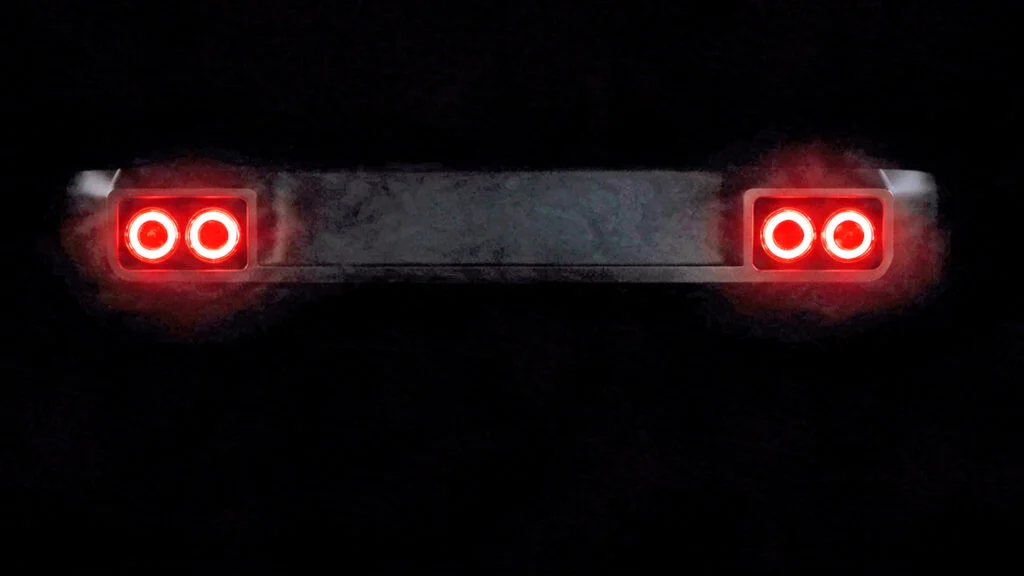
REO's philosophy centers around the right to repair, ensuring that the models incorporate easy-access features. This is a part of a larger movement within the automotive industry where consumers are gaining more agency over their vehicles. Customers can expect an uncomplicated user experience, with control functions featuring physical buttons and levers rather than complex digital interfaces. This design choice not only speaks to user-friendliness but also signals a shift back toward tactile interactions, which many drivers miss in an increasingly digitized world. Notably, the exterior design hints at a blend of modern aesthetics with practical considerations, as evidenced by teasers showcasing the vehicles’ sleek lines and distinctive lighting reminiscent of Ferrari's styling. If you're working in this space, it’s fascinating to see how a nod to classic design can combine with contemporary aesthetics without fully succumbing to the trends of the moment. (And this is the part most people overlook.)
Pricing and Availability
The anticipated price range for these models varies between $21,500 and $28,500, making them accessible options for those interested in reliable and stylistically appealing vehicles. This strategic pricing not only puts them in a competitive spot against both budget and mid-range offerings but also suggests a keen understanding of the current economic climate, where affordability is key. Given the solid number of reservations already placed, REO seems well-positioned to make a significant impact on the small truck and SUV market sector upon their digital reveal later this year. Competitors in this segment will undoubtedly be watching closely, as successful launches can reshape market dynamics.
Looking Forward
The automotive community is keenly awaiting these new REO models, especially with Stephenson's design expertise steering their development. That said, the real test will be whether the company can deliver on its promises of affordability, user-friendly mechanics, and an eye-catching design. Achieving these benchmarks may help REO carve out a niche for itself in the crowded marketplace. The nostalgia factor attached to REO's revival may play a role in attracting customers, but sticking to their promises will ultimately dictate long-term success. If they drop the ball at launch, the initial buzz around those 30,000 reservations could quickly evaporate. Will they create a sustainable future? Only time will tell.
Implications and Future Outlook
What this means for you, especially if you’re in the automotive sphere, is that REO's comeback could symbolize a shifting consumer sentiment toward simpler, more repairable vehicles. In an industry often defined by rapid technological advancements, their strategy might signal a reevaluation of what consumers genuinely want versus what is often marketed. Additionally, the successes or failures of REO could influence other manufacturers contemplating similar pathways. If they manage to achieve a level of success, expect to see a ripple effect encouraging more brands to prioritize functionality and simplicity over an unrelenting push for electrification. With the potential for a loyal customer base, REO could redefine the standard for small trucks and SUVs in today's market.

Discussion
Sign in to join the discussion.