Ford's recent hiring of technical specialists boosts vehicle quality, marking a turnaround from past missteps and record defects.
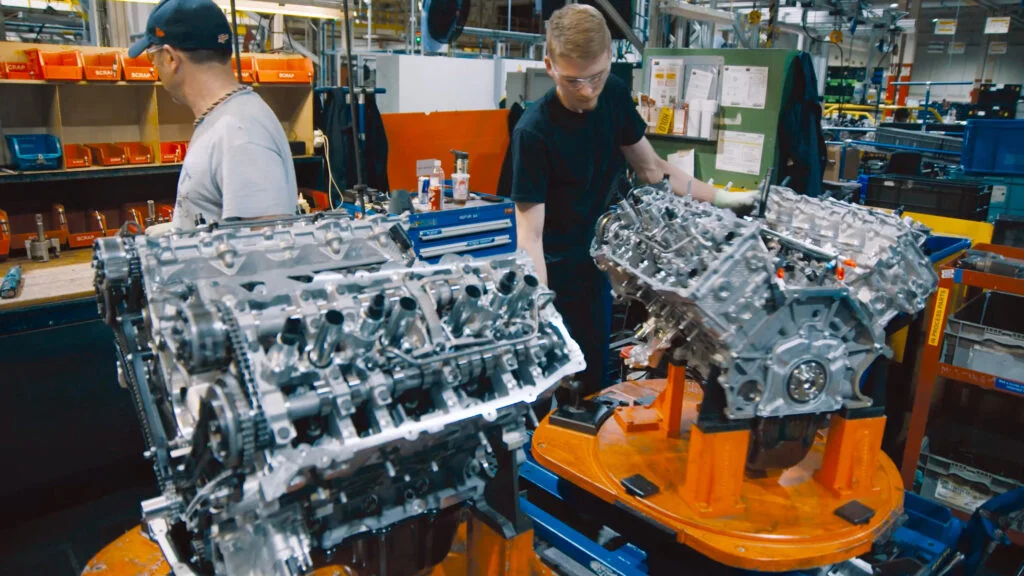
Ford's resurgence in vehicle quality can be tied directly to its strategic decision to invest heavily in technical expertise over the last three years. After suffering substantial financial losses—more than $1 billion—due to quality defects, the automaker has reclaimed its status as the top mass-market brand in the J.D. Power Initial Quality Study. This remarkable turnaround is not just about numbers; it reflects a deeper commitment to ensuring that quality isn’t merely an afterthought in their manufacturing process.
The Rise in Rankings
By 2026, Ford's leap to the top of the rankings, having improved from 23rd place in 2023, highlights its commitment to resolving quality issues by prioritizing skilled labor. The company hired around 350 technical specialists internally dubbed "Grey Beards," a nod to their expertise and experience, to tackle problems proactively. This strategic hire signals a significant cultural shift within Ford, wherein the depth of knowledge and fresh insights brought by these specialists are seen as vital to preventing recurring issues that once plagued production.
Understanding the J.D. Power Initial Quality Study
The J.D. Power Initial Quality Study (IQS) assesses early-stage vehicle reliability, measuring owner-reported issues and repair data within the first 90 days of ownership. It’s a barometer of how well cars are performing in the hands of consumers at a critical early stage. A low "Problems Per 100 Vehicles" (PP100) score indicates fewer defects, a critical metric for manufacturers focused on quality assurance. When a brand can consistently come out on top in this study, it doesn’t just boost consumer confidence; it directly impacts sales, brand loyalty, and overall market reputation. For Ford, improving its ranking isn’t just a cosmetic victory; it’s about rebuilding trust with customers who may have been skeptical after previous quality missteps.
Investing in Talent
Ford attributes its 180-degree turn in quality ratings to the concerted effort of its technical specialists, who have been instrumental in spotting and addressing issues before they escalate. This recruitment strategy involved sourcing talent from other automakers, tapping into supplier partnerships, and promoting within to harness existing knowledge, essentially crafting a knowledgeable workforce that values innovation and expertise. This initiative shows Ford understands that money spent on experts could save far more down the line, in both customer satisfaction and avoidance of costly defects.
Charles Poon, Ford's Vice President of Vehicle Hardware Engineering, acknowledges the company's previous struggles. “There was a recognition as we were struggling through our quality performance several years ago that something needed to change," he stated in an interview with Automotive News. This sentiment resonates deeply; the company had wrestled with not just reactive problem-solving but a lack of proactive measures to prevent future defects. Such admissions reflect the company’s willingness to learn from past mistakes—an essential characteristic of any organization aiming for long-term success.
A Legacy from Restructuring
This pivot toward investing in technical talent comes in the wake of a major restructuring in 2019, when Ford reduced its workforce by 7,000 jobs. This decision aimed to create a leaner, more agile organization but inadvertently led to a significant talent drain. The downsizing initiative was widely presented as a means to create a more efficient company; however, it left a void in experienced personnel crucial for quality management. What might look like a necessary cutback also risked undermining the very quality Ford now aims to restore.
Despite the improved IQS ranking, Ford still leads in recalls, facing quality-related issues, particularly with its redesigned Super Duty vehicles in 2023. The aftermath included production slowdowns and quality assessments that cost the company dearly. Recalls not only strain financial resources but also weaken brand loyalty as consumers grapple with reliability concerns. This complicated dynamic of enhancing product quality while managing existing issues poses a challenging balancing act for Ford as it seeks to regain its footing.
Balancing AI with Experience
While Ford has integrated artificial intelligence into its operations to streamline data analysis and predictive modeling, the importance of human expertise remains paramount. AI can process data and suggest solutions, yet it is the sharp eyes of technical experts that can catch problems early in the production cycle. Take, for instance, the story of Samuel Matt, who identified a malfunction in a manual tailgate closure during Explorer testing. His intervention prevented a costly error before the vehicle hit the market. That’s the kind of foresight and attention to detail that can't be replaced by algorithms.
This shift from a “find and fix” approach to a “prevent and protect” philosophy demonstrates a cultural change within Ford. The company has adopted daily problem-solving meetings and extended vehicle testing protocols that now equate to approximately 15 years or 225,000 miles of use—an ambitious goal reflecting their commitment to excellence, but it raises questions about feasibility. Are they overpromising? If you're working in this space, you know that quality assurance is easier said than done. In the auto industry, operational adjustments require time and consistency, not just ambition.
Regular Reviews and Future Directions
Ongoing evaluations of quality assurance practices are complemented by enhanced testing regimens designed to anticipate issues rather than react to them. Ford is redefining its relationship with quality through these comprehensive strategies, suggesting a bright future as it continues to tighten its grasp on reliability and customer satisfaction. That said, continuous improvement must remain their mantra. Falling back into poor quality practices could undo the progress made.
Implications for the Future
The trajectory upon which Ford has set itself could redefine not just its brand, but the entire automotive industry’s approach to quality. While many competitors have yet to grasp the nuances between servicing existing customer bases and innovating for future consumers, Ford is making its case. By blending technical savviness with frontline talent, the company could emerge as a leading figure in quality management. The implications here stretch beyond Ford; if their model proves effective, other manufacturers may be compelled to adopt a similar approach, potentially reshaping industry standards.
Images: Ford



Discussion
Sign in to join the discussion.