The upcoming Mercedes E-Class Electric showcases a sleek design and advanced tech, raising the bar for electric sedans after the EQE's shortcomings.
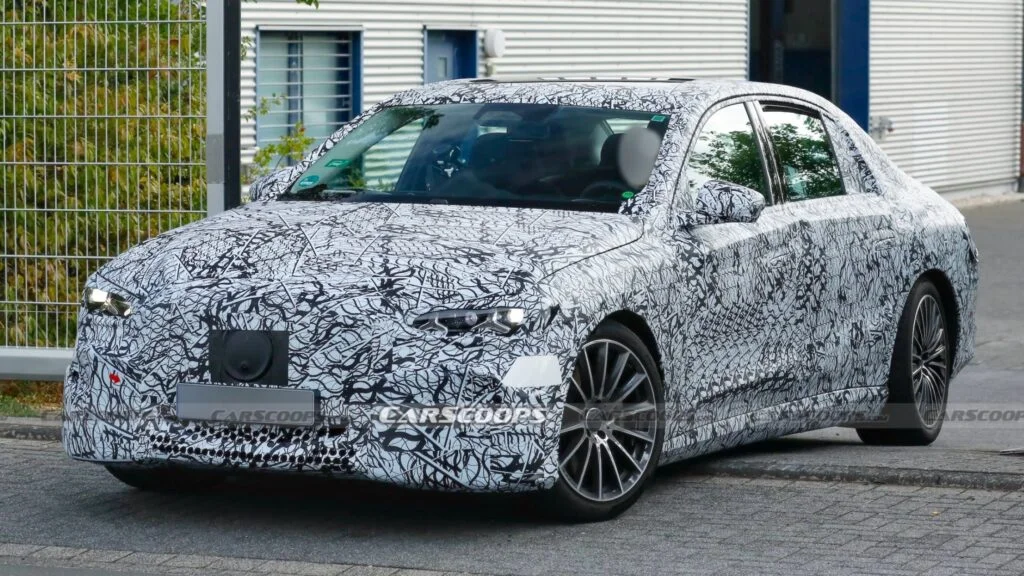
The Mercedes E-Class Electric is entering the market at a pivotal moment. With the EQE's departure due to lukewarm reception and outdated technology, there's a strong sense of urgency for Mercedes to get it right this time. Recent spy shots reveal a sleek design that appears more like a traditional sedan than its predecessor, signaling a shift in aesthetics that could resonate better with consumers. The marketplace for electric vehicles is increasingly crowded, and striking a balance between brand identity and contemporary appeal is vital for attracting buyers.
Gone is the heavy camouflage from earlier test cars, revealing production-quality headlights with the iconic Mercedes star-shaped daytime running lights. This clever detail ensures that the E-Class Electric won't be mistaken for a competitor after dark, offering a touch of brand identity that many drivers seek. For a company like Mercedes, maintaining a distinct visual identity is key to retaining its loyal customer base, particularly as it competes with numerous upstarts and established automakers eager to siphon off market share.
Unlike the EQE, which struggled with its styling and technology, the E-Class Electric opts for a more streamlined appearance, including straightforward taillights that abandon the three-pointed star motif. This design choice could be interpreted as a nod to modern sensibilities, embracing a cleaner, more sophisticated aesthetic. In a market where consumers increasingly favor minimalism over flamboyance, this could be a strategic move for Mercedes, showcasing its commitment to sophistication without unnecessary extravagance.
Specifications and Performance
Underpinning the E-Class Electric is the MB.EA architecture, previously showcased in other Mercedes EVs like the C-Class and GLC. This platform supports an 800-volt electrical system, enabling impressive charging speeds that reach up to 330 kW. While this isn't a record-breaking performance—BMW’s upcoming models are expected to hit 400 kW—it does surpass charging capabilities of direct rivals like the BMW i5 and Audi A6 e-tron. For consumers, faster charging means less anxiety about range, especially for those taking longer trips or who live in areas with limited charging infrastructure.
As we learn more about the E-Class Electric, it's projected that a dual-motor E400 variant could produce around 482 hp, achieving a zero-to-62 mph sprint in just over four seconds. This level of performance positions the E-Class Electric firmly within the competitive luxury EV segment. Furthermore, utilizing a 94 kWh gross battery, the vehicle could have an impressive WLTP range of approximately 473 miles. This competitive edge places the E-Class Electric in a strong position compared to not only the EQE but also its rivals in the luxury EV sector. Buyers looking for a balance of power, range, and charging efficiency might find themselves leaning toward this offering from Mercedes.
Interior Expectations
While the interior design remains under wraps, there's a consensus expectation that it will mirror previous models with a lavish digital dashboard that extends pillar-to-pillar. The tech inside high-end vehicles doesn’t just serve the functional; it has become a bit of a status symbol. Given the trend in the industry, especially among luxury brands, buyers should prepare for additional costs if they seek the passenger-side screen, which recent studies suggest is little-used. But hey, in luxury cars, it’s often about the “wow” factor more than practicality.
This electric sedan promises more than just sleek looks and rapid charging—it appears to be a pivotal move for Mercedes to reclaim its footing in the high-end electric market. The E-Class Electric is set to launch next year, and initial impressions suggest that it could redefine what consumers expect from a luxury electric sedan. Addressing the critiques leveled against the EQE might not only attract new customers but also rejuvenate the interest of existing Mercedes enthusiasts who may have looked elsewhere.
Implications and Future Outlook
The arrival of the E-Class Electric could have significant implications for Mercedes' strategy in the electric vehicle sector. This isn’t just another car—it represents a turning point where the brand could realign with changing consumer preferences. If successful, it could steer future designs and innovations across the lineup. For competitors, the prospect of a powerful and elegantly designed luxury EV from a company with a rich heritage in premium automobiles could raise the stakes significantly.
What this means for you, especially if you're working in this space, is that Mercedes is upping its game. The balance of familiarity and fresh aesthetics combined with advanced technology could set new benchmarks. And while some might argue that having an impressive electric alternative is merely table stakes today, for a brand as established as Mercedes, this move signals its intent to reclaim not just its market share, but also its narrative in the electric future.

Discussion
Sign in to join the discussion.