Volkswagen's ongoing overhaul could see Ducati up for sale, valued at approximately $1.45 billion amidst significant job cuts and strategic realignments.
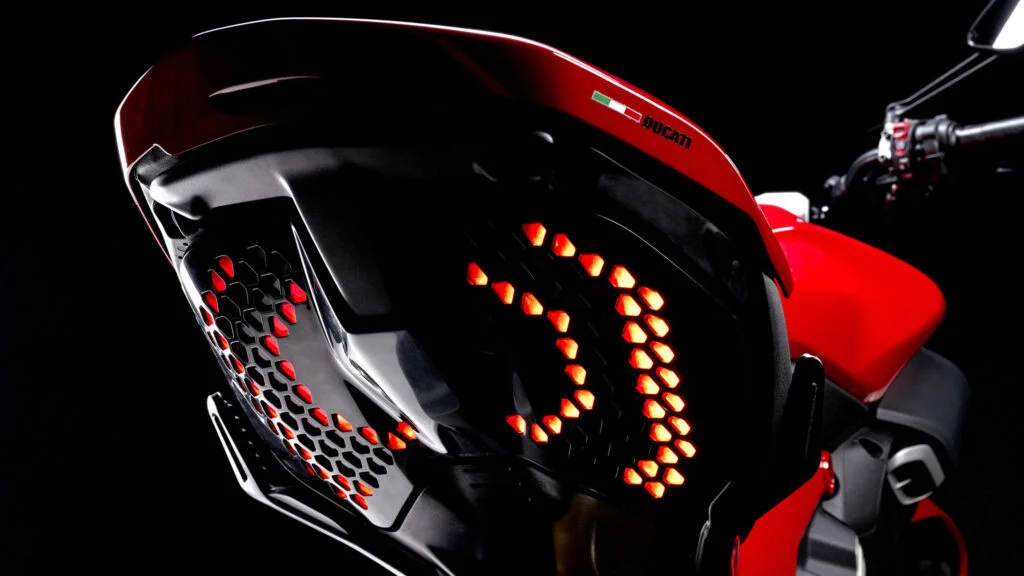
Volkswagen is in the midst of a major restructuring effort that might result in the sale of its motorcycle brand, Ducati. As the automaker looks to reduce its workforce by 50,000 and cut its model lineup in half, scrutiny over its various business holdings has intensified. This isn't just about numbers; it's about survival in an industry that’s shifting rapidly towards electrification and changing consumer preferences. Volkswagen, once synonymous with the “people’s car,” is feeling the urgent need to realign its operations to ensure its future relevance.
Assessing Volkswagen's Current Strategy
Recent reports suggest that about one-third of Volkswagen's non-strategic activities will either be divested or realigned to better focus on those that contribute strategically and financially to the company’s core operations. This decision comes against the backdrop of increasing pressure from both consumers and investors for more streamlined and efficient operations. The potential divestiture of Ducati has been brought to the forefront, with Audi CEO Gernot Döllner acknowledging that discussions about the motorcycle brand are necessary as part of this evaluation process, although no final decisions have been made yet. What does this mean for Ducati's future? It introduces uncertainty in an already volatile motorcycle market, particularly for a brand that has a loyal but niche following.
Ducati, which became a part of Volkswagen's portfolio on July 19, 2012, has historical significance dating back to 1926. The brand has become synonymous with high-performance motorcycles and innovative design. Financially, Ducati appears to hold a valuation of about €1.25 billion ($1.45 billion), a considerable sum considering its latest figures revealing an operating profit of only €52 million ($60.39 million) last year—a drastic 42.8% decline attributed to unfavorable currency fluctuations and tariffs imposed by the previous administration. These financial woes underscore a larger trend in the automotive industry: brands that don't adapt may not survive.
Ducati’s Market Performance
In 2022, Ducati delivered 50,895 motorcycles worldwide, reflecting a 7% decline from previous sales. This dip raises concerns about the brand's ability to compete effectively as the global motorcycle market evolves. While models such as the Multistrada and Panigale continue to captivate consumers, contributing significantly to the brand's sales figures, it’s questionable if these figures alone justify Ducati's place within Volkswagen's portfolio. (And this is the part most people overlook.) In an era where consumers gravitate towards electric vehicles and sustainable transport options, Ducati must not only maintain its core performance segment but also consider diversification into electric motorcycle technology to stay relevant.
Audi's Production Strategy in the U.S.
In conjunction with its evaluation of Ducati, Audi is also contemplating the prospect of establishing some production in the United States. Döllner confirmed that the company is considering options for producing SUVs domestically, which could be executed at the new Scout facility in South Carolina or the existing Volkswagen plant in Tennessee. This initiative comes in response to the competitive disadvantage Audi faces compared to brands like BMW and Mercedes, which actively produce SUVs in the U.S. The transition to local production could significantly mitigate tariff impacts, better positioning Audi in a crowded market.
Currently, Audi’s absence from U.S. production places it at a disadvantage due to tariffs, further complicating its operational landscape. This absence not only limits Audi’s market competitiveness but can also affect brand perception; consumers often weigh local production positively. In light of substantial investments from competitors in U.S.-based manufacturing, Audi’s shift may also signal a broader realignment of the company’s operational priorities.
Implications for Volkswagen's Future
As Volkswagen continues its restructuring plans, the fate of Ducati remains uncertain but could have wide-reaching implications not only for the motorcycle sector but also for Volkswagen's broader strategy in a changing automotive market. If Volkswagen chooses to divest Ducati, it may signal a willingness to cut legacy brands that don’t fit into their pressing strategic framework focused on electric and connected vehicles. This decision could also align with a larger industry trend where manufacturers prioritize investments in technology and engineering that align with consumer demand for sustainability. If you're working in this space, these changes should serve as a signal to rethink traditional business models.
What’s clear is that the decisions Volkswagen makes in the coming months will likely shape its operational direction for years to come. The stakes are high, and while the move to trim non-strategic activities seems prudent, it poses risks as well. The loss of a brand like Ducati could alienate a segment of consumers passionate about the unique lifestyle surrounding high-performance motorcycles. Yet, if it helps Volkswagen pivot towards a future more attuned to EVs and tech-savvy vehicles, then it could end up reinforcing their intended strategy. Strategic foresight is essential; time will reveal whether these decisions will bolster Volkswagen’s viability or leave it scrambling in a rapidly shifting automotive environment.
Discussion
Sign in to join the discussion.