Toyota introduces a secondary immobilizer for Land Cruiser models in Australia, enhancing security amid escalating theft rates.
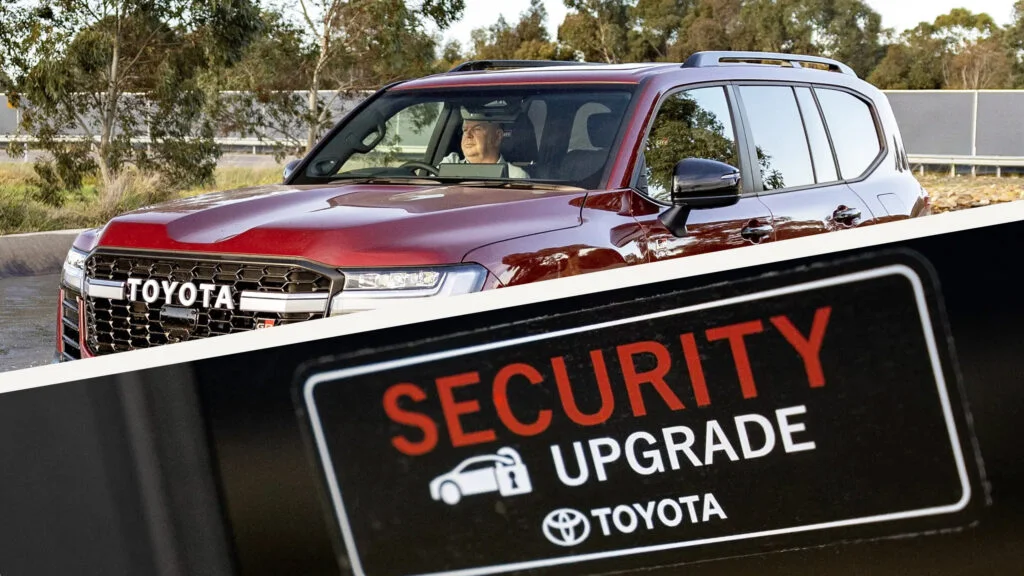
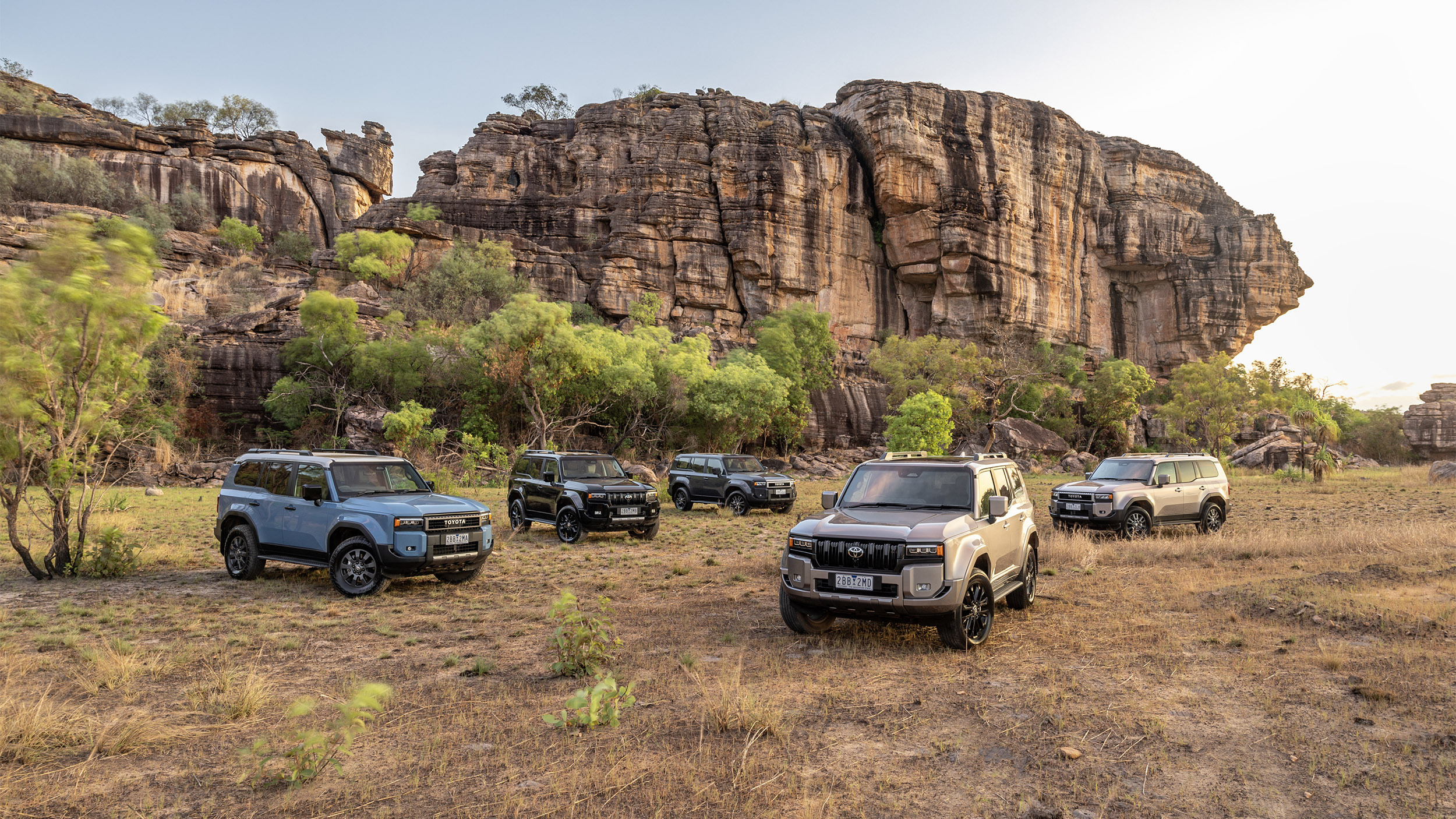
In light of increasing thefts targeting the Land Cruiser Prado 250 and Land Cruiser 300 in Australia, Toyota has unveiled a new secondary immobilizer system. This move follows a previous attempt at improving vehicle security with a steering wheel lock, which proved inadequate against determined thieves.
New Immobilizer System Explained
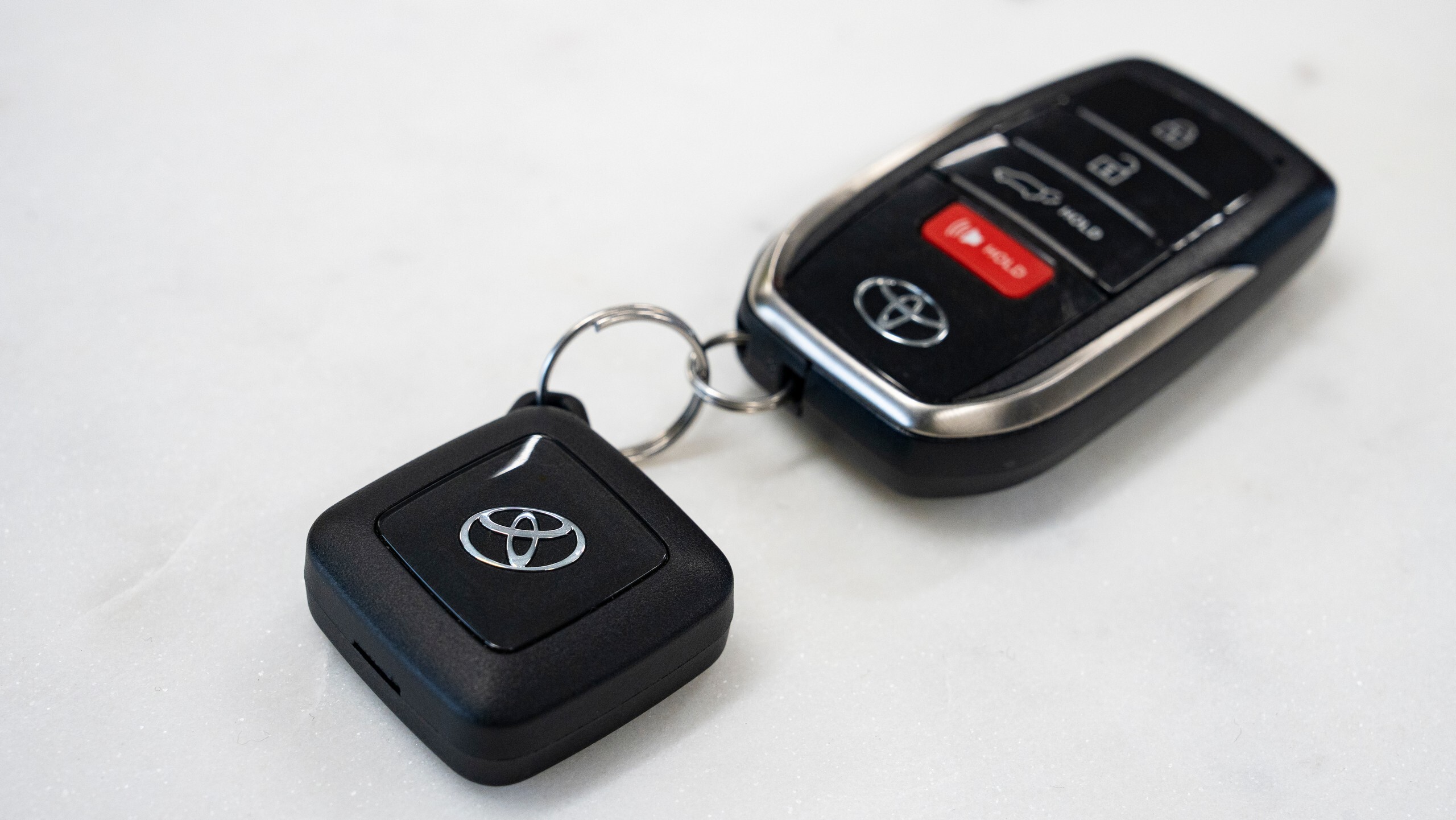
The recently launched immobilizer is designed to supplement the vehicle's existing security features. It requires a new fob to start the engine, ensuring that the vehicle won't operate unless the fob is in proximity. This kind of system isn't new in the auto industry; many manufacturers have integrated similar features into their vehicles in response to the rising tide of vehicle theft. However, the context here is what sets this announcement apart—Toyota’s previous security measure was widely criticized for its ineffectiveness.
Additionally, each model equipped with this new system includes a separately powered siren, capable of sounding an alarm even if the vehicle’s main power source has been disconnected. This is a significant upgrade. Thieves often disable a vehicle’s power systems, making traditional alarms useless. By having an independent siren, Toyota aims to deter criminals by increasing the likelihood that they'll be caught in the act.
Comparative Effectiveness of Security Measures
The addition of this immobilizer is expected to be a significant improvement over the previous steering wheel lock, which independent testing revealed could be easily cut using power tools. The new system aims to create a more formidable barrier to potential thieves. But, here's the thing: will it be enough? Car thieves have become increasingly sophisticated, employing methods that outpace traditional security measures. Consumers may find themselves questioning if Toyota has done enough.
Yet, the skepticism around the effectiveness of automotive security systems isn't just about design. It's also about psychology. Thieves often gauge whether the risk of getting caught is worth the potential reward. Systems like this immobilizer might work for the average thief, but more determined ones might find ways around it. What this means for you, should you own one of these Toyotas, is that vigilance remains essential. Even with enhanced security measures, no system is infallible.
Cost Considerations for Toyota Owners
However, owners will need to invest AU$1,735 (approximately US$1,249) for the installation of this new immobilizer, which includes a fob, enhancements such as a red security light on the steering column, and a window sticker that alerts potential thieves to the vehicle's upgraded security status. Whether this price tag is reasonable will depend largely on how owners weigh the cost against the potential loss of their vehicle—a loss that could easily exceed the cost of the installation.
The installation process is estimated to take around five hours and the new system will be covered under the remaining new-car warranty or for two years post-installation, whichever period is greater. But do bear in mind—while warranties offer some comfort, they don’t prevent theft. And remember—they’re only as good as their execution. If installers overlook key elements, the system could still be vulnerable.
The Broader Context of Vehicle Theft
While these updates may enhance security, Toyota claims it hasn’t seen instances of theft involving sophisticated devices among this vehicle range. Despite this reassurance, the data tells a different story. In Australia, vehicle thefts rose by 2.5% last year, a statistic that’s particularly concerning in Victoria, where motor-theft insurance claims surged by 25% in 2025. This alarming trend points to a growing issue that vehicle owners cannot afford to ignore. (And this is the part most people overlook: statistics don't just represent numbers; they represent real losses and emotional distress for owners.)
As vehicle thefts rise wider and faster, automotive manufacturers are in a tough spot. Increased security features can also drive up costs and potentially alienate buyers who may not want to spend extra on things they might see as optional extras. The ethics of this pricing model could also be scrutinized in light of growing theft rates. Should customers have to pay for security measures that should arguably be a standard feature?
Significance and Future Outlook
The push towards enhanced security features like Toyota’s new immobilizer system reflects a real market response to consumer concerns. However, how the market evolves from here is yet to be seen. With established brands increasingly implementing similar systems, will these security features become the new norm in consumer vehicles, or will they merely serve as a bandage on a deeper issue? The ongoing challenges highlight that vehicle security is a complex issue that requires ongoing dialogue between manufacturers and consumers. If you're working in this space, consider how these developments could shape future trends in automotive safety.

Discussion
Sign in to join the discussion.