Investigators say a Lehigh County father and son sold 12 stolen cars with altered titles, many through Facebook Marketplace.
The alleged scheme reached far beyond a misleading online listing: investigators say two Lehigh County men sold at least 12 stolen vehicles using paperwork tied to other cars, with a combined value approaching $500,000. The allegation points to a problem that can be hard for a buyer to spot at the point of sale: a vehicle may look ordinary, and its documents may appear consistent, while the identity recorded in those documents belongs to another car. That gap between a vehicle’s physical identity and its paperwork is what makes the alleged conduct more consequential than a deceptive advertisement.
Pennsylvania Attorney General officials charged Jermaine Quinones Sr., 42, and his son, Jermaine Quinones Jr., 18, in connection with an alleged chop shop operation. The sales took place during 2025 and 2026, and many vehicles were reportedly listed on Facebook Marketplace. The charges describe alleged activity across multiple transactions, rather than a single disputed sale, though the information provided doesn’t establish how each vehicle was advertised or sold. The distinction matters: a charge is an accusation, and the case will turn on evidence presented through the criminal process.
According to charging documents, the pair used vehicle identification numbers from other cars to disguise stolen vehicles. The altered paperwork allegedly let the cars pass through titling and registration, potentially making them appear legitimate to buyers—even those who checked a vehicle history report. A VIN is the identifying code used to connect a vehicle with records such as title and registration information; if the code on the paperwork doesn’t correspond to the car being sold, the records can create a misleading picture. The alleged method would exploit the trust buyers place in documents that appear to match.
Late-model vehicles among those identified
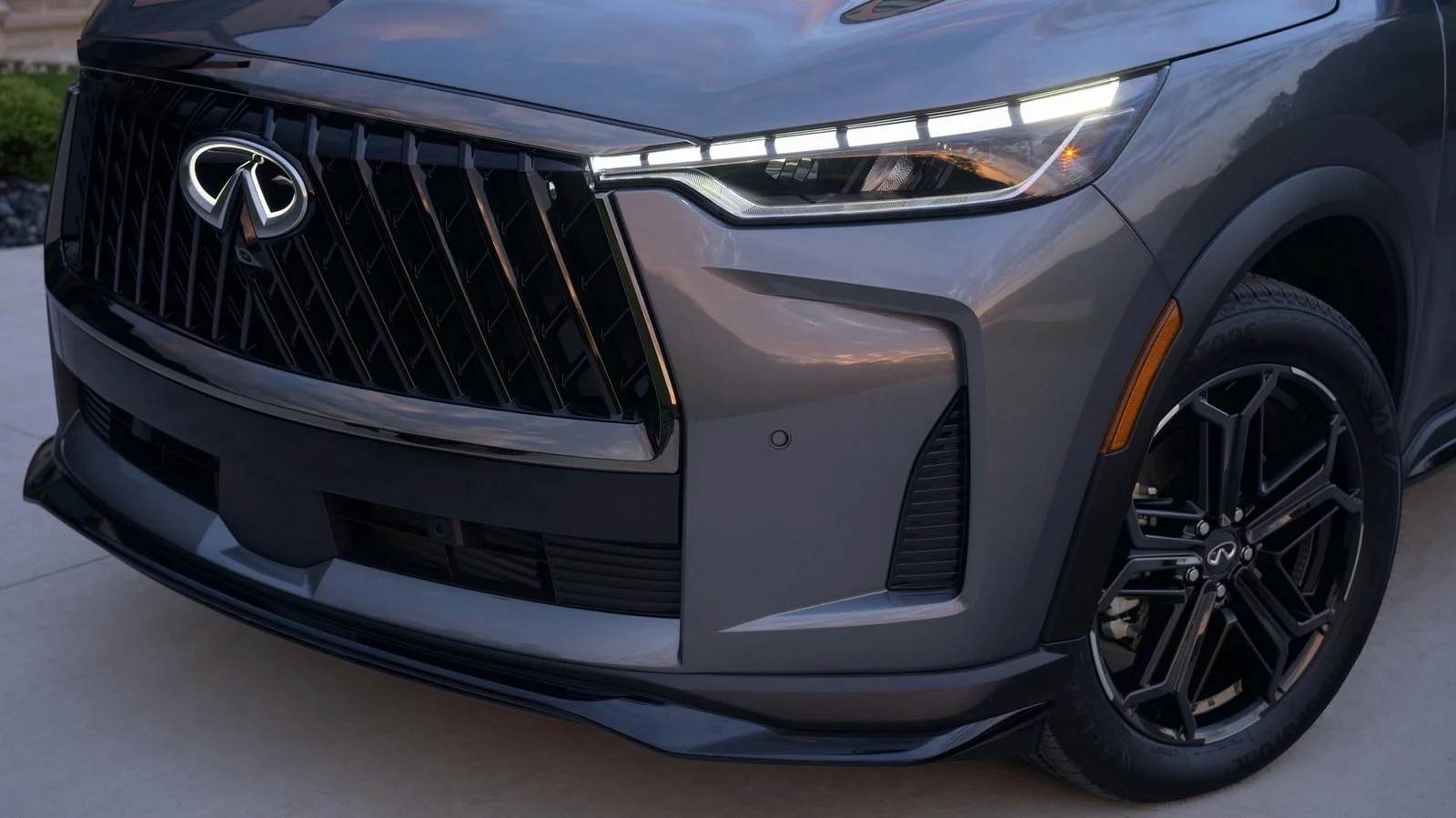
The vehicles investigators identified included a 2026 Infiniti QX60 valued at $67,599, an Acura Integra listed at $35,950, and two Ford Mustangs valued at $32,640 and $31,890. Those examples show that the alleged sales weren’t limited to low-priced, older cars. The case underscores how title washing can affect newer, higher-value cars as well as older used vehicles, where buyers may already expect more uncertainty about condition and history.
The listed values also help explain why identity checks matter before money changes hands. A vehicle’s model year, appearance, and asking price can make a listing seem plausible, but none of those details establishes that the seller has the right to sell that specific car. And the paperwork can be part of the deception, according to the allegations. This is more significant than it looks: when documents are allegedly altered to correspond to another vehicle, familiar checks may offer less reassurance than buyers assume.
Quinones Sr. was arrested at his Allentown home earlier in October. His cash bail was set at $450,000. Quinones Jr. was arrested on October 22, with bail set at $100,000. Both face felony charges that include theft by deception, washing vehicle titles and insurance fraud. A conviction on a single charge could carry a maximum sentence of 20 years. These are the charges and potential penalties described in the source; they aren’t findings of guilt.
A broader used-car risk
Facebook Marketplace is one reported sales channel, but the alleged method reaches beyond any single platform. Online marketplaces can bring buyers and sellers together quickly, while the buyer may have limited time or information to verify a vehicle’s identity and history. That makes the transaction itself important: the platform name doesn’t tell a buyer whether the title is sound, whether the VIN matches, or whether the person offering the car has a legitimate claim to it.
Pennsylvania officials have described a separate case involving a theft ring that targeted 65 luxury and high-end vehicles. In Utah, a used-car dealer was accused of forging a deceased woman’s signature on sales documents to resell hail-damaged cars. These cases involve different alleged conduct, and the details shouldn’t be treated as evidence about the Lehigh County defendants. Taken together, though, they illustrate a broader point about used-car fraud: the paperwork and the vehicle’s history can be manipulated in ways that aren’t obvious from a listing or a quick inspection.
For buyers, the practical check remains simple but essential: compare every VIN on the vehicle with its paperwork, and obtain a history report. Neither step guarantees a clean sale, but discrepancies can provide an early warning—even on a recent model year. Check the VIN displayed on the vehicle itself against the number printed on the title and other documents, rather than relying only on information copied into a listing. If you’re working through a private sale, take time to review the records before completing payment.
What buyers should take from the allegations
Here’s the thing: a vehicle history report is only as useful as the identity information associated with the vehicle being checked. If the report is run using a VIN taken from paperwork that doesn’t belong to the car in front of you, it may describe a different vehicle. That doesn’t make reports pointless; it means they’re one check in a process, not a substitute for comparing the physical VIN with the title and sale documents.
(And this is the part most people overlook.) A clean-looking document doesn’t answer the basic question of whether the numbers match the car. Take a moment to compare them directly. If they don’t match, pause the transaction and seek clarification before proceeding. A discrepancy may have an innocent explanation, but it’s also the kind of warning sign a buyer can catch before becoming entangled in a much more difficult dispute.
The allegations also put attention on the limits of a polished listing. Photos, a recent model year, and a plausible price can help a seller attract interest, but they don’t verify ownership or title history. Buyers often have to make decisions with incomplete information. Careful identity checks won’t eliminate every risk, but they can expose a mismatch that an online description leaves out. A small check, with potentially large consequences.
The case will now depend on the evidence behind the charges and the court process that follows. For anyone shopping for a used vehicle, the practical lesson is already clear: inspect the car’s identifiers, compare them with the paperwork, and treat a history report as one part of that check. The alleged scheme is a reminder that the records attached to a vehicle can shape what a buyer believes about it—and that those records deserve scrutiny before the sale is final.



Discussion
Sign in to join the discussion.