BMW’s Symbiotic Drive will add urban lane changes, right-of-way yielding and roundabout handling in 2027, while keeping drivers responsible for attention.
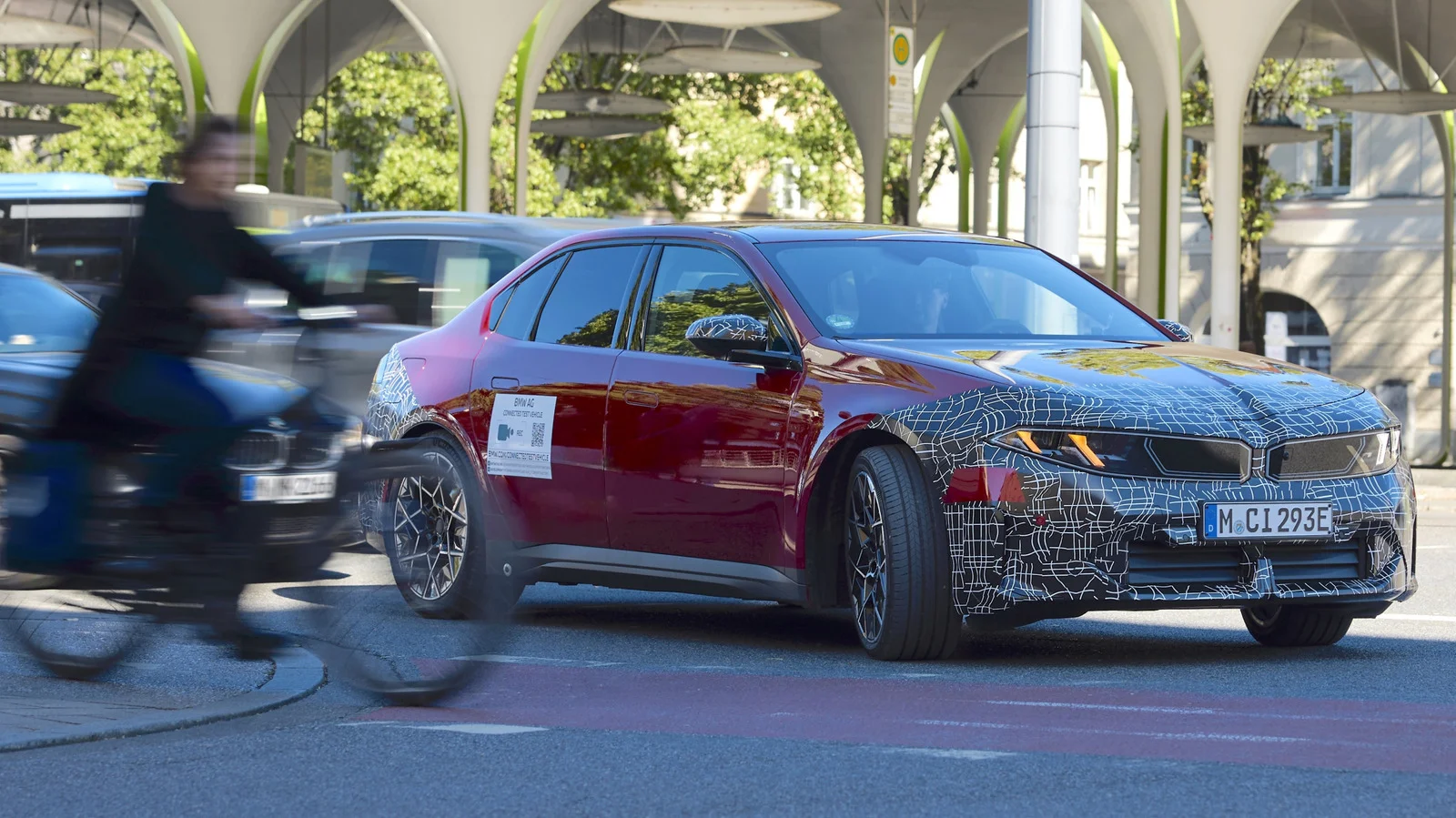
BMW’s next driver assistance update aims to extend hands-off operation from highways into city streets. Starting in 2027, Symbiotic Drive is expected to add urban lane changes, yielding to traffic with the right of way and roundabout navigation to the company’s existing Highway Assistant. Those are familiar parts of everyday driving, but they ask a car to respond to more changing conditions than a typical highway lane does.
The change could make longer trips less fragmented: BMW says the system will be able to assist from freeways through country roads and into urban areas. That broader route coverage is the central pitch. Assistance that ends at the edge of a highway can leave drivers to manage the most demanding portion of a journey themselves; extending it into towns could make the handoff less abrupt. Germany is scheduled to receive the features first, with other markets to follow. BMW hasn’t specified when they’ll arrive elsewhere.
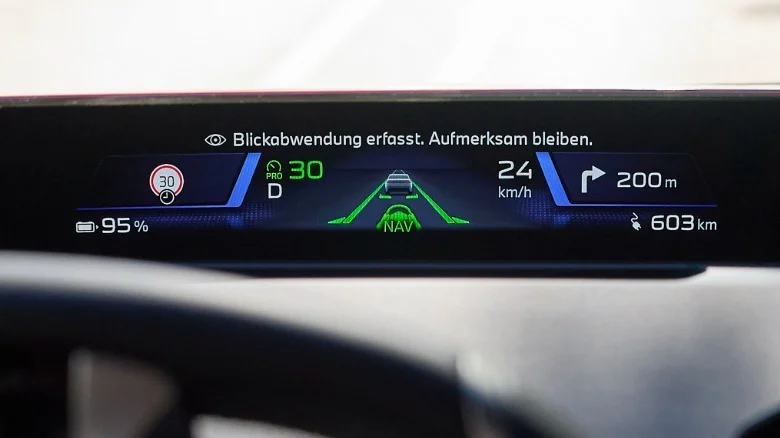
Highway Assistant already handles steering, acceleration and braking on highways, including lane changes. It can also stop for red lights and move off when they turn green. The 2027 expansion adds more complex urban tasks, where lane markings, traffic flow and the behavior of other road users can change quickly. Roundabouts add another layer: the system must account for traffic already circulating and choose when to enter, while yielding requires it to recognize when another vehicle has priority.
That’s a meaningful increase in scope, but the underlying system remains Level 2 driver assistance. Drivers must watch the road and be ready to take over whenever the car needs help. The phrase “hands-off” describes a permitted way to use the system under its conditions; it doesn’t transfer responsibility for driving to the vehicle. The distinction matters most in a city, where an unexpected obstruction or ambiguous interaction may demand a quick human response.
BMW says a driver-facing camera will monitor attention. If the driver looks away, the car returns control to them. That makes the system a tool for reducing the workload of city driving, not a way to use a phone or work while commuting. For comparison, Ford BlueCruise and GM Super Cruise are also Level 2 systems. The category can ease some repetitive tasks, but drivers still have to supervise the car and remain prepared to intervene.
Existing hardware, software activation
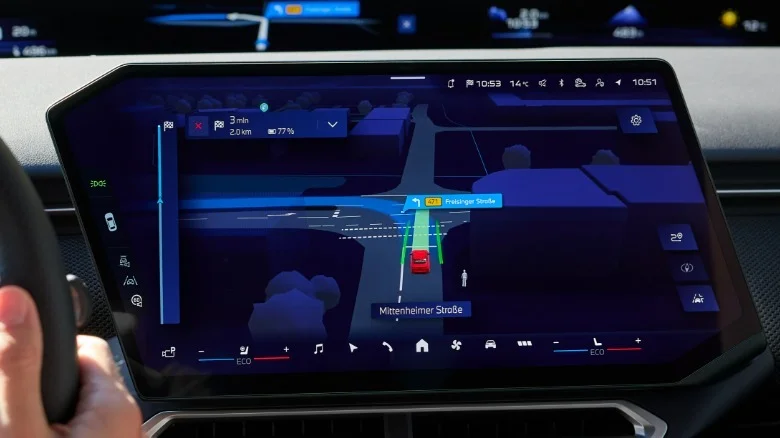
The required hardware is already fitted to several newer BMWs, including the iX3 and iX4 electric SUVs, the new X5 and 3 Series, and the facelifted 7 Series. These models include BMW Panoramic Vision, a display at the base of the windshield that can show assistance status and upcoming maneuvers. Showing that information in the driver’s forward view may make the system’s next steps easier to follow, though it doesn’t remove the need to watch the road itself.
BMW says the hardware will be standard, but owners will need an over-the-air update to activate Symbiotic Drive. That approach lets the company add a function after a vehicle has been built, provided the car already has the necessary equipment. It also means the presence of hardware alone won’t tell buyers what they’ll actually get at purchase: availability, software activation and price are separate questions.
The company hasn’t said whether activation will cost extra or require a subscription, leaving the feature’s eventual price unclear. That uncertainty could matter to owners deciding how much value to assign to the car’s built-in equipment. If you’re considering one of these models, the practical details will include which roads and conditions the system supports, when the update arrives in your market, and whether access carries an added charge.
BMW is returning to Level 2
BMW and Mercedes have offered Level 3 systems that allow drivers to hand over driving duties on approved routes under specific conditions. Those systems could permit activities such as watching video while the car travels at highway speeds. Both automakers have since pulled back from Level 3 technology, citing the expense of lidar equipment and limited customer uptake. The retreat highlights the commercial challenge: a technically more ambitious system may be harder to justify if it costs more and serves a narrower set of journeys.
BMW’s bet is that broader Level 2 assistance will prove useful to more drivers at a lower cost. This is more significant than it looks: the company is trying to extend help across a whole trip while retaining the supervision requirements of a system drivers already have to monitor. That said, wider coverage only matters if the car handles its boundaries clearly and drivers understand when they must take over.
The urban test will decide its value
City streets are a demanding place to expand driver assistance because the system must respond to interactions that are less orderly than highway travel. Similar systems typically need to make sense of traffic priority, road layout and changing conditions while communicating their limits to the person behind the wheel. BMW has described the functions it plans to add, but the announcement doesn’t establish how they’ll perform across the range of situations drivers encounter.
And yet. If the system can manage routine urban tasks predictably and return control with enough warning when it reaches its limits, it could reduce some of the strain of stop-and-go driving. If it requires frequent intervention, the extra coverage may matter less in practice than it does in a feature list. The real measure will be how often drivers can rely on it without mistaking assistance for autonomy. Not a small distinction.
Discussion
Sign in to join the discussion.