Ferrari’s electric Luce starts at $560,800, topping the Purosangue by $122,190 despite having no V12. Early demand has already met the sales target.
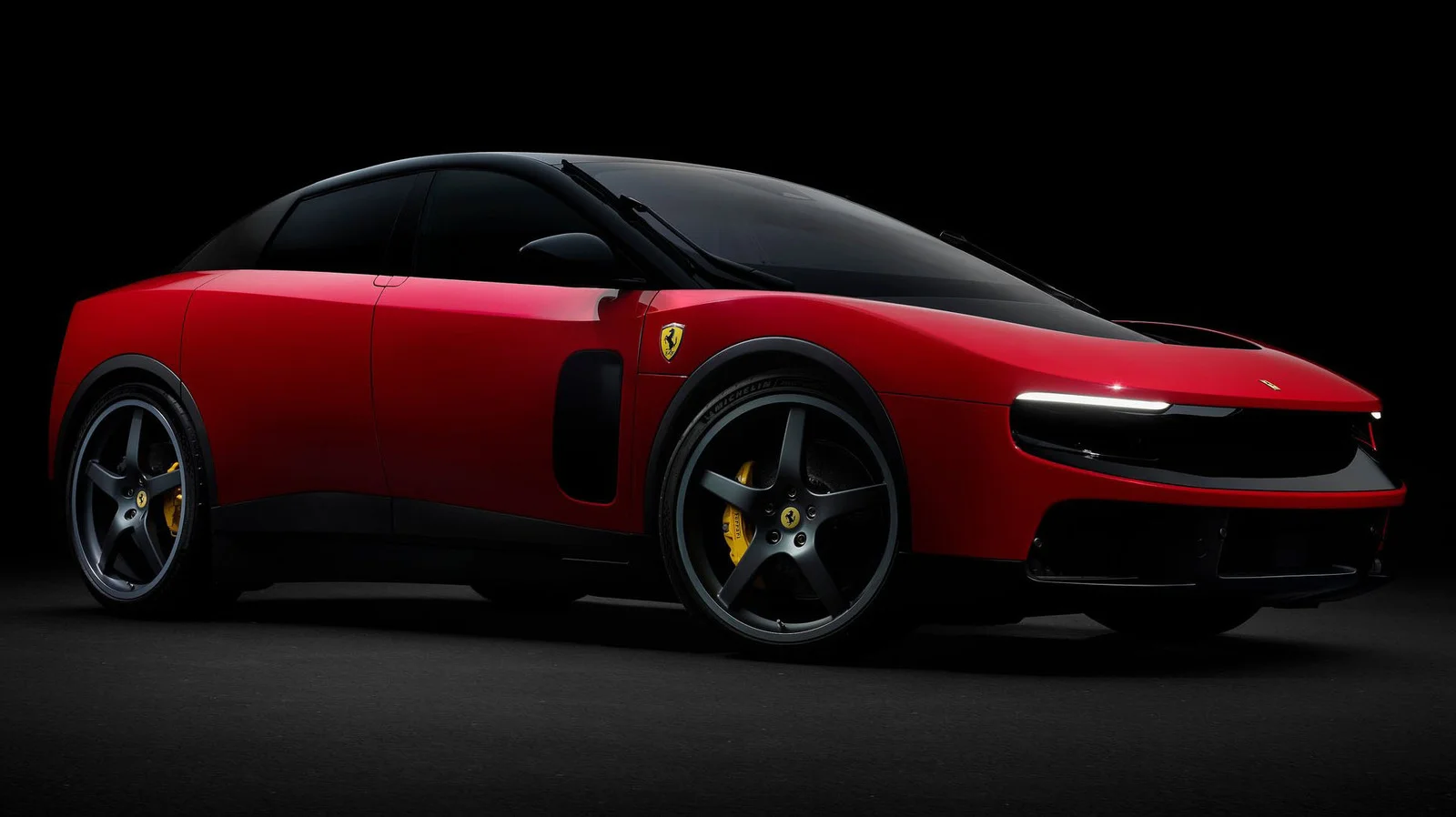
Ferrari’s first all-electric car is priced above several of the brand’s most powerful and traditionally styled models. The Luce starts at $560,800 in the U.S., putting it $122,190 above the four-seat Purosangue and nearly level with the 849 Testarossa. That makes the entry price itself part of the story: buyers aren’t being asked to treat Ferrari’s electric debut as an accessible alternative within the range.
The price is lower than early estimates of about $640,000 and well below the €550,000 European starting price, which includes VAT. Yet the Luce remains one of Ferrari’s most expensive cars. Its unusual styling has drawn criticism, but that hasn’t stopped buyers from committing. The gap between initial expectations and the final U.S. price may soften the sticker shock, though it doesn’t change where the car sits among Ferrari’s offerings.
Demand is strong despite limited production
Ferrari said it met its Luce sales target within two months, securing roughly 500 orders before U.S. pricing was announced. China has been a strong market, though Ferrari hasn’t published sales figures by country. The company reportedly expects to sell around 2,500 cars by 2030, keeping the EV a low-volume model. Those figures point to a controlled launch, with demand measured against a deliberately limited production plan rather than the scale expected of a mass-market electric car.
That early demand suggests the Luce may serve a particular role in Ferrari owners’ collections. Buyers willing to pay this much for an electric four-door may already own several other Ferraris, making the car an addition to an existing garage rather than a direct substitute for a conventional model. That’s a plausible reading, not something the order figures prove: Ferrari hasn’t disclosed who placed those orders or what they currently drive.
Its closest four-seat comparison is the Purosangue
The Purosangue starts at $438,610 and pairs four-door practicality with a V12 engine. It costs almost $200,000 more than a Lamborghini Urus, but looks comparatively attainable next to the Luce. The electric model trades the Purosangue’s naturally aspirated cylinders for a substantially higher entry price. That comparison puts the Luce’s challenge in plain terms: it has to make its electric powertrain and distinct design compelling at a premium over Ferrari’s existing four-seat option.
Ferrari’s two-door models sharpen the comparison. The 849 Testarossa, with a twin-turbocharged 4.0-liter V8 and three electric motors producing 1,036 horsepower, starts at $565,685—just $4,885 above the Luce. The 12Cilindri starts at $468,594 and offers a naturally aspirated 6.5-liter V12, though it can’t carry four people. For a buyer focused on price and performance, those alternatives complicate the case for the Luce; for someone who needs four seats, the comparison is less direct.
Ferrari’s pricing puts the Luce in rare company within its own range. This is more significant than it looks: the first electric Ferrari isn’t being positioned as a cheaper way into the brand, but as a high-priced choice alongside cars whose appeal rests on familiar engines and body styles. That asks buyers to accept a new kind of Ferrari without the usual price incentive.
The real test is who chooses it
The small planned production run and early sales suggest the car doesn’t need broad appeal to find buyers; the more telling test will be how many customers choose it as their Ferrari four-seater. About 500 orders before U.S. pricing indicate interest, but they don’t show whether that interest will hold once buyers weigh the final price against the Purosangue and Ferrari’s two-door models. And this is the part most people overlook: meeting an early target is evidence of launch demand, not proof of lasting appeal.
If you're working in this space, the Luce is a useful case study in how a luxury brand can introduce an electric model without competing on affordability. Ferrari can keep production limited and still reach its target if enough existing customers want the car. Whether that strategy endures depends on the buyers themselves. The order book is a start. The ownership choice is the verdict.
Discussion
Sign in to join the discussion.