Toyota says its next hybrid powertrains will use 15% less fuel, with a shared vehicle platform designed to support hybrids, plug-in hybrids and EVs.
A 15% target for Toyota’s next hybrids
Toyota says its next hybrid systems are designed to cut fuel use by 15%, a notable target as the automaker argues that gasoline-electric vehicles still have a place alongside EVs. The figure is a company goal, not a result demonstrated in vehicles on sale, so the engineering details and eventual product performance will matter as much as the headline. Toyota says the new powertrains will work in conventional hybrids and plug-in hybrids, and expects them to reach the market in 2027.
Fuel prices remain part of the U.S. debate, but Toyota’s case for hybrids rests on engineering as well as economics. At the center is a naturally aspirated 1.5-liter inline-four, which will replace the current 1.5-liter three-cylinder and 1.8-liter four-cylinder engines. Toyota has discussed the engine since 2004; its latest announcement is the first to attach an efficiency target to it. That long lead-in makes the 2027 expectation notable, though the company hasn’t yet tied the target to a specific model or explained the conditions used to calculate the savings.
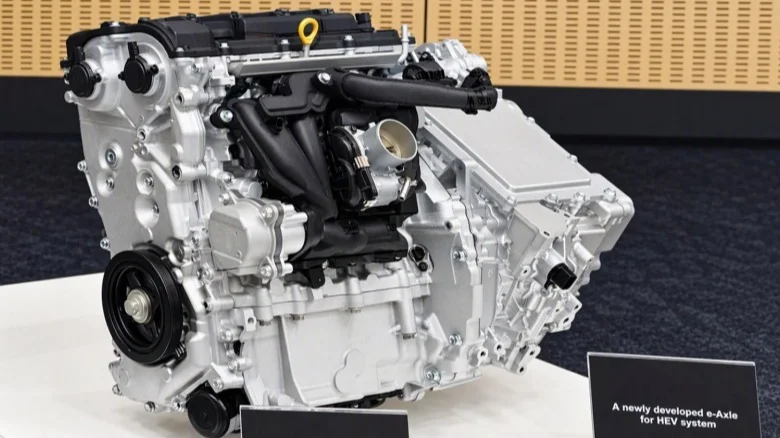
Toyota attributes the expected savings largely to reduced mechanical friction, better thermal management and lower electrical losses. These are familiar areas of focus in powertrain development: less energy lost inside the system can leave more available to move the vehicle. Smaller, lighter electric motors should also trim powertrain weight, though the benefit in a finished car will depend on how the components work together. Aerodynamics contribute too; Toyota says vehicles built around these systems will create less drag.
The 15% target is therefore a combined claim about engines, electric hardware and vehicle design. That matters because fuel use in a hybrid isn’t determined by the engine alone. The motor, battery, control systems, vehicle weight and shape all affect how much work the gasoline engine has to do. If you're working in this space, the key question is how much of the promised gain comes from the powertrain itself and how much depends on the vehicle surrounding it. Toyota hasn’t broken that down yet.
A wider engine family and possible customers
A more powerful 2.0-liter inline-four, first revealed in 2024, is also part of the coming engine family. Toyota expects to sell its next-generation hybrid powertrains to other automakers, with projected annual revenue of $1.7 billion, according to Automotive News. That projection suggests Toyota sees the technology as a business in its own right, beyond fitting it to the company’s own vehicles. It hasn’t named potential customers, so the scale and timing of any outside use remain open questions.
Subaru and Mazda are possible candidates given their powertrain alliance, formed in 2024, but that remains unconfirmed. A shared engine or hybrid system can make sense for automakers seeking to spread development work across partners, but compatibility with each company’s vehicles and product plans still has to be established. The revenue forecast is an ambition, not evidence of signed orders. Here’s the thing: supplier plans only become meaningful when other manufacturers commit to using the hardware.
A shared foundation for different powertrains
The engines are part of Toyota’s broader “multi-pathway” plan: future EVs and hybrids will share a vehicle platform. Toyota says the approach can reduce engineering and manufacturing costs while letting factories adjust the mix of powertrains as demand changes. That flexibility could help a manufacturer respond when buyers in different markets favor different vehicle types, while allowing some development and production work to be shared. The savings, however, depend on how much commonality the vehicles can retain in practice.
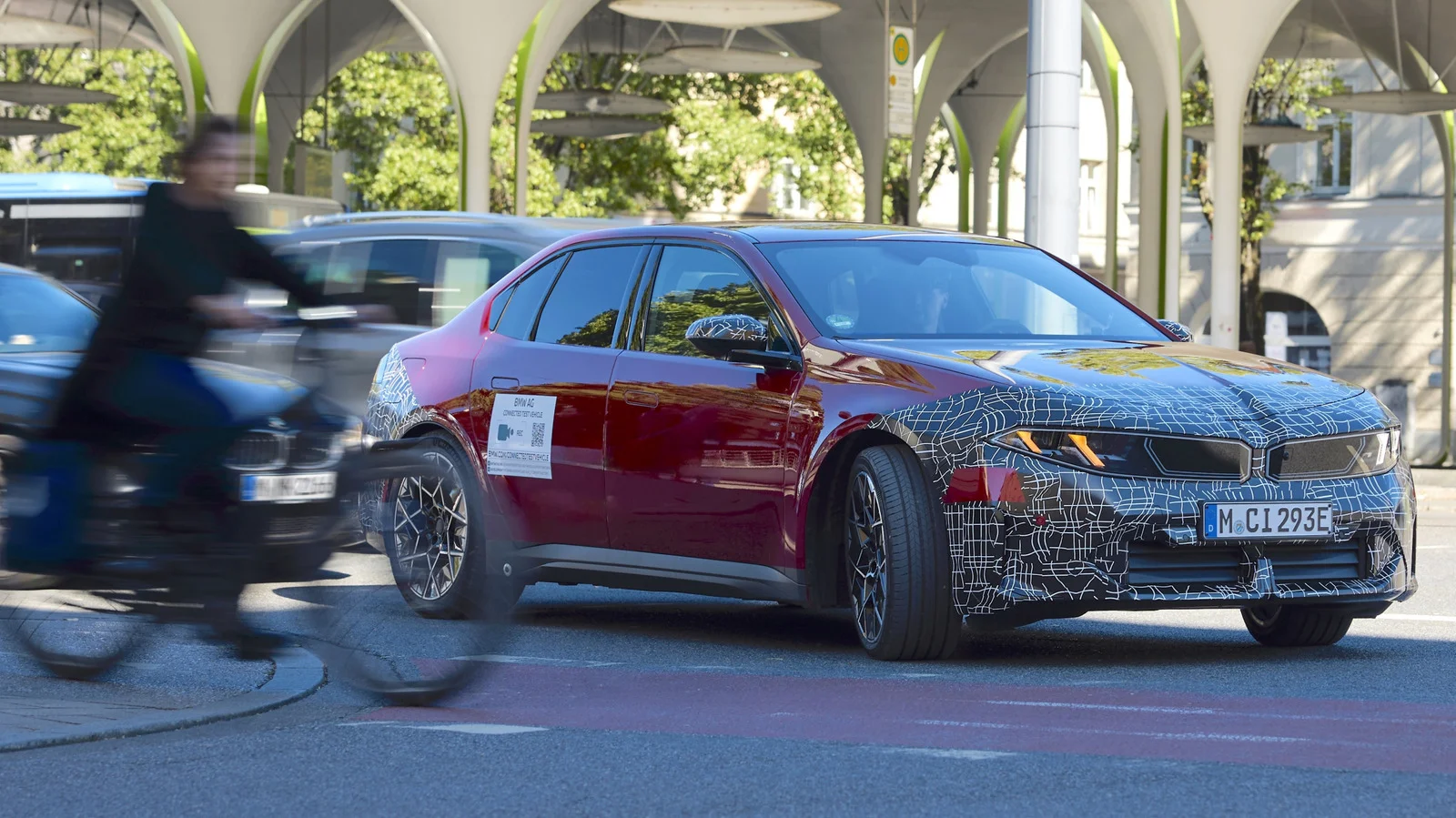
BMW uses separate platforms for its EVs and hybrids, while Mercedes and Stellantis also build different powertrain types on common foundations. These choices reflect different ways of balancing vehicle design, factory needs and product range. Toyota’s approach puts shared architecture at the center of its plan, but a common platform doesn’t automatically make every version cheaper or better suited to its task. The practical test will be whether the shared structure gives Toyota the manufacturing flexibility it expects without limiting the vehicles’ design.
Shared architecture can force design trade-offs, but Toyota says its next hybrids and battery-electric models will keep the same cabin space and exterior silhouette. Lower-profile engines and hybrid components could also allow lower hoods and more freedom in vehicle proportions. Toyota’s illustration shows a fastback sedan layout with an EV battery extending along the floor, a PHEV battery occupying the rear floor, and a smaller hybrid battery beneath the back seat. Those arrangements show how packaging differs across the three types, even when they share a broader foundation.
This is more significant than it looks: packaging decisions shape how much room is available for passengers and components, and they can affect the proportions buyers see. Toyota’s stated aim is to preserve the cabin and silhouette across powertrains while changing the hardware beneath them. That’s a useful design goal, but the illustration isn’t proof that every future model will achieve it. A diagram can show a proposed layout; production vehicles will show whether the compromises are acceptable.
What the strategy has to prove
Toyota was an early pioneer of hybrid cars but has moved more cautiously on full electrification. The company says the new hybrids are being developed to run on renewable and carbon-neutral fuels, extending the role of combustion engines. That claim frames the engines as part of a longer-term powertrain mix, rather than a temporary bridge to battery-electric vehicles. It also puts added weight on the efficiency gains Toyota says it can deliver.
With EV sales growing in Europe while retreating in the U.S., Toyota is building its next generation around a range of powertrain options. The strategy gives the company room to serve markets where customer demand differs, but it also means Toyota must make several kinds of vehicle work under a shared plan. And yet. The strongest measure won’t be the breadth of the plan; it’ll be whether the new systems deliver the promised efficiency in vehicles people can actually buy.
The 15% fuel-use target will be one of the first measures of whether that strategy can deliver a meaningful efficiency step. Toyota still has to show how the target translates into real-world use, and whether the same gains apply across conventional hybrids and plug-in hybrids. The 2027 market expectation gives the company time to bring the systems into production, but it also leaves the central claims untested for now. For buyers, the result will matter more than the platform diagram: lower fuel use, usable space and a vehicle that fits how they drive. The target is clear. The evidence is still to come.

Discussion
Sign in to join the discussion.