Audi’s first U.S. factory is planned for Georgia, with premium SUV production targeted for the early 2030s and capacity of up to 200,000 vehicles a year.
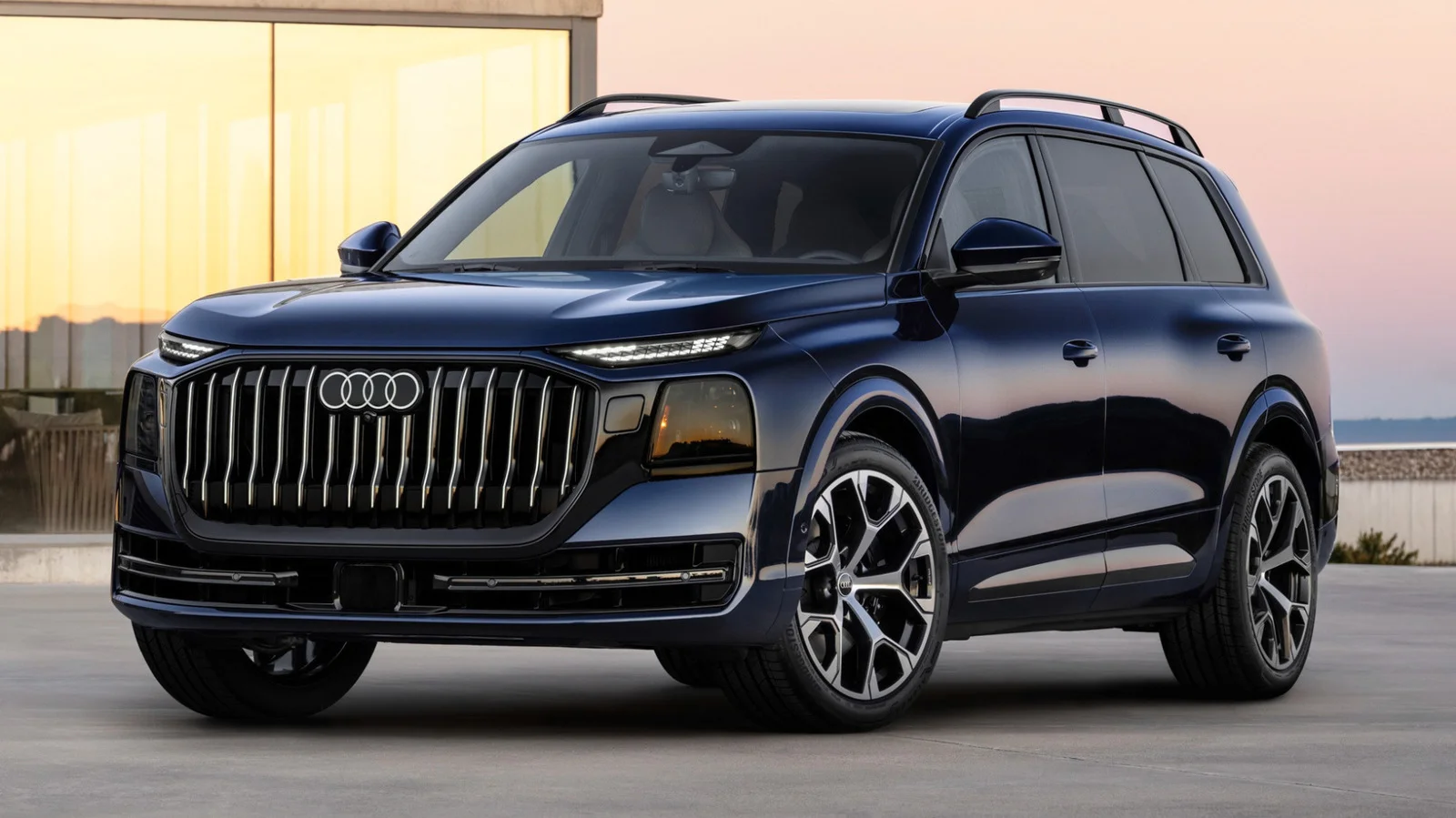
Audi’s planned $4 billion Georgia factory would give the automaker a local production base in a market where it currently imports every vehicle it sells. That changes the economics of serving U.S. customers: vehicles built in the country would avoid the import costs Audi now faces on its full U.S. lineup, although the company hasn’t said how much of its sales it expects the plant to supply. The move could also support its ambitions to grow U.S. sales. Audi says the plant will make premium SUVs and help North America become a third major production pillar alongside Europe and China.
That is a strategic claim as much as a factory announcement. A production base can help a company respond to local demand and build closer ties with suppliers, but those benefits depend on the models, output and timing the company ultimately delivers. Audi is making a long commitment before it has named the vehicles that will anchor the site.
Tariffs have added urgency. Audi’s import costs from U.S. tariffs reached $1.4 billion last year, while competitors BMW and Mercedes-Benz already build vehicles in the country. Domestic production could reduce Audi’s exposure to import duties on vehicles assembled in Georgia, but the factory won’t address the cost of every imported model or component. The precise effect will depend on what Audi builds locally and how much of its U.S. business that represents.
Audi has been weighing a U.S. plant for more than a year; construction at the Middle Georgia Mega Site is scheduled to begin next year, with production expected in the early 2030s. That leaves a substantial gap between the decision and the first vehicles. The company will have to manage its U.S. business through that period while competitors continue producing locally.
Scale, timing and jobs
The factory is designed for annual output of up to 200,000 vehicles. That’s a sizeable planned capacity, though capacity describes what a plant could produce rather than what it will make in a typical year. Actual output will depend on demand, model mix and how quickly production ramps up. Audi hasn’t provided a schedule for reaching full capacity.
Audi estimates the site will create about 4,500 jobs, with additional work for suppliers, training partners and service providers. Those related jobs reflect how a vehicle plant can anchor a wider local network, from parts production to workforce preparation. The scale of that network will depend in part on how much sourcing Audi places nearby, something the company hasn’t detailed.
The company hasn’t announced which models will be assembled there. That omission matters: the choice of vehicles will shape the plant’s role in Audi’s lineup and determine how directly it competes with other locally built premium SUVs.
Reuters reports that the lineup could include the Q7, Q8 and new Q9. Those vehicles would fit Audi’s stated focus on premium SUVs, but the reported possibilities aren’t a confirmed production plan. The Q9 was displayed at a Georgia rally where President Donald Trump announced the factory alongside Audi Chairman of the Board of Management Gernot Döllner. Separately, reports say Audi could build as many as 25,000 vehicles at Scout’s planned South Carolina factory. Taken together, the Georgia proposal and the reported Scout arrangement suggest Audi is considering more than one route to local production, though the company hasn’t explained how the two efforts would fit together.
A broader U.S. push
Döllner says Audi wants to build a stronger business in the United States through premium products, a stronger brand and local production. “This is about building a stronger Audi business in America — not only about building a factory,” he said. The distinction is important: manufacturing can support a sales strategy, but it can’t substitute for products that attract buyers or a brand that gives them a reason to choose Audi. The factory is one part of a broader effort, and the company’s own description makes clear that it sees more work ahead.
Gerd Walker, Audi’s board member for Production and Logistics, said a new site gives the company room to rethink manufacturing processes and build a local supplier network. That flexibility may matter as Audi establishes production at a scale suited to its U.S. ambitions. But a new facility also requires Audi to translate plans into operating routines, supplier relationships and consistent output. The announcement offers a direction; the details of that execution remain to come.
The Georgia project would place Audi alongside rivals with established American operations. Mercedes-Benz’s Alabama site is set to reach annual capacity of up to 340,000 vehicles after recent investments. Its output includes the GLE, GLS, EQE SUV, EQS SUV and Sprinter, with the GLC due to join late next year. That existing range shows how local factories can serve several parts of a company’s portfolio. Audi’s planned factory signals that local production has become central to competing for growth in the U.S. premium market.
What the project signals
This is more significant than it looks: Audi is linking a large manufacturing commitment to a stated goal of making North America a core production base. Still, the headline capacity and jobs figures describe a plan, while the unanswered model question leaves the commercial strategy open. If you’re working in this space, the next details to watch are which vehicles Audi assigns to Georgia and how it coordinates the site with its reported Scout production.
Here’s the thing: building locally can address tariff exposure and bring production closer to customers, but it doesn’t guarantee stronger sales. The factory’s importance will be measured by what Audi makes there, whether buyers want those vehicles, and how the plant fits the company’s wider U.S. push. (And this is the part most people overlook.) The long lead time means Audi’s ambitions will be tested well before the first vehicle rolls off the line.
A long runway. And a strategy still taking shape.

Discussion
Sign in to join the discussion.