Chery’s Omoda X concept pairs thermal detection out to 90 meters with electric and plug-in hybrid options and rugged hardware.
Thermal vision is the headline feature
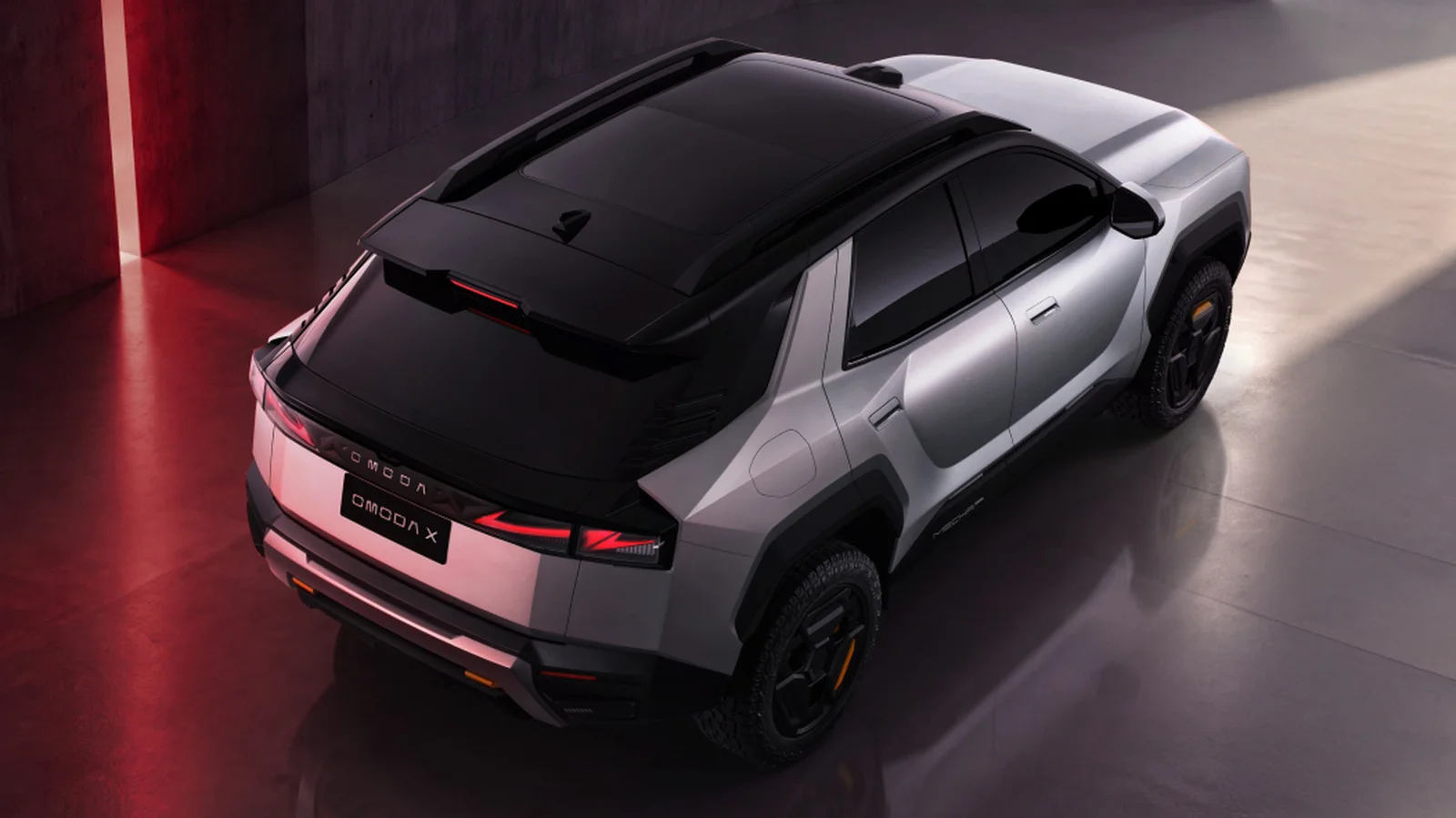
Thermal night vision gives Chery’s new Omoda X a distinctive pitch in the crowded compact SUV class. The concept can detect pedestrians and wildlife up to 90 meters (295 feet) away in low light, while its electric and plug-in hybrid powertrains put it in a segment where electrification is increasingly expected. That combination gives Chery a clear way to distinguish the vehicle on paper, though the usefulness of the thermal system will depend on how it’s presented to the driver and whether it reaches production.
Chery revealed the Omoda X at its International User Summit in Wuhu, China. The company hasn’t said whether thermal imaging will reach production or which trims might get it. For now, it’s a first for a Chery product, and a feature that could give drivers extra time to react when an animal or person appears ahead. In low visibility, an earlier warning can matter because drivers have less time to identify a hazard and respond. The system may also provide an earlier cue to the SUV’s driver assistance systems, though Chery hasn’t described how they’ll work together.
That gap matters. A detection distance is a useful specification, but it doesn’t explain how clearly hazards appear on screen, how often the system might flag harmless heat sources, or what happens when the driver assistance software receives the same information. Those details will determine whether the feature feels useful in ordinary driving or mainly serves as a striking demonstration.
Rugged cues, compact SUV dimensions
At 4,650 mm (183.1 inches) long, the Omoda X is sized to compete with the Toyota RAV4, Subaru Forester, Honda CR-V and Mazda CX-5. Its squared wheel arches, all-terrain tires, roof rails and aluminum-style skid plates give the concept a more outdoors-oriented look than a typical family crossover. The styling signals an intent to appeal to buyers who want a vehicle that looks prepared for rougher routes, even if most trips still involve paved roads and everyday errands.
Chery calls the design language “Crossvolution” and says it draws on “mecha culture.” The concept applies that idea through sharply sculpted bodywork, three-spoke 19-inch wheels and angular LED lighting at both ends. The result is deliberately theatrical, with visual details that set it apart from more restrained family SUVs. Yet the measurements suggest Chery also wants the vehicle to offer useful trail credentials, rather than relying on appearance alone.
The company quotes 200 mm (7.9 inches) of ground clearance, a wading depth above 700 mm (27.6 inches) and a towing capacity of 1,800 kg (3,968 pounds). Some rugged versions of rival SUVs sit higher, but Chery’s claimed wading and towing figures stand out in this comparison. They point to a concept that’s meant to suggest more than an urban runabout. Still, these are company claims for a concept; real-world capability will depend on the production vehicle’s final hardware, tires and settings.
Two electrified powertrain paths
Chery hasn’t released power, battery or range figures. It has confirmed fully electric and plug-in hybrid versions, each offered with front-wheel drive or all-wheel drive. That gives the Omoda X a broad powertrain outline, but leaves basic questions unanswered: how far the electric version might travel, how the plug-in hybrid will balance electric and combustion power, and which configurations will be available in each market.
An X-Mode system will let drivers adjust vehicle settings and performance, although the company hasn’t explained its operating modes. In similar vehicles, selectable drive settings typically tune systems such as traction and throttle response for different conditions. Chery’s description doesn’t establish which functions X-Mode will control, so its name alone can’t tell us how much it changes the vehicle’s capability. If you're working in this space, that distinction matters: a mode selector can support off-road driving, but it can’t substitute for the underlying engineering.
The cabin remains unseen, but Chery describes a “Mecha Command Cockpit” with an X-shaped floating center console and an aircraft-inspired layout. The planned dashboard combines a 10.25-inch digital instrument cluster with a 13.2-inch infotainment screen, while physical climate controls retain a direct way to manage basic functions. That’s a sensible detail in a concept otherwise built around dramatic styling; frequently used controls can be easier to operate when they’re not buried in menus. Chery also claims 39 storage compartments, a notable practical counterpoint to the sci-fi presentation (and this is the part most people overlook): a cabin’s usefulness often comes down to small decisions about where everyday items go.
Lots of places to put things. Whether those compartments are well sized and easy to reach will matter more than the count.
Export plans remain unconfirmed
The Omoda X has so far been shown in China, with no production timing or market list announced. Chery may position it below the Omoda 9 if it reaches export markets. The Omoda and Jaecoo brands already sell in Australia, Europe and the UK, giving the company an existing route to introduce another SUV beyond China. That presence makes export ambitions plausible, but it doesn’t confirm that this particular concept will be sold abroad.
For now, the Omoda X is a concept with an unusually specific calling card: thermal detection paired with claimed off-road utility and a choice of electrified drivetrains. This is more significant than it looks if Chery can bring the pieces together in a production vehicle, because the thermal system gives the model a feature story beyond familiar screen and styling claims. And yet, the unanswered questions are substantial. The company has disclosed no production plans, power figures or range estimates, and hasn’t explained how thermal imaging would interact with driver assistance.
What this means for you is that the Omoda X is best read as a statement of intent, not a finished product proposition. Its eventual appeal will depend on whether Chery carries the equipment and capability claims into a saleable SUV, and on what the thermal system can actually do behind the wheel. Until then, the concept’s most intriguing feature remains a promise.
Discussion
Sign in to join the discussion.