Every 2027 CX-5 gets Google Gemini, standard all-wheel drive and a 187-hp engine, with prices ranging from $31,485 to $40,935.
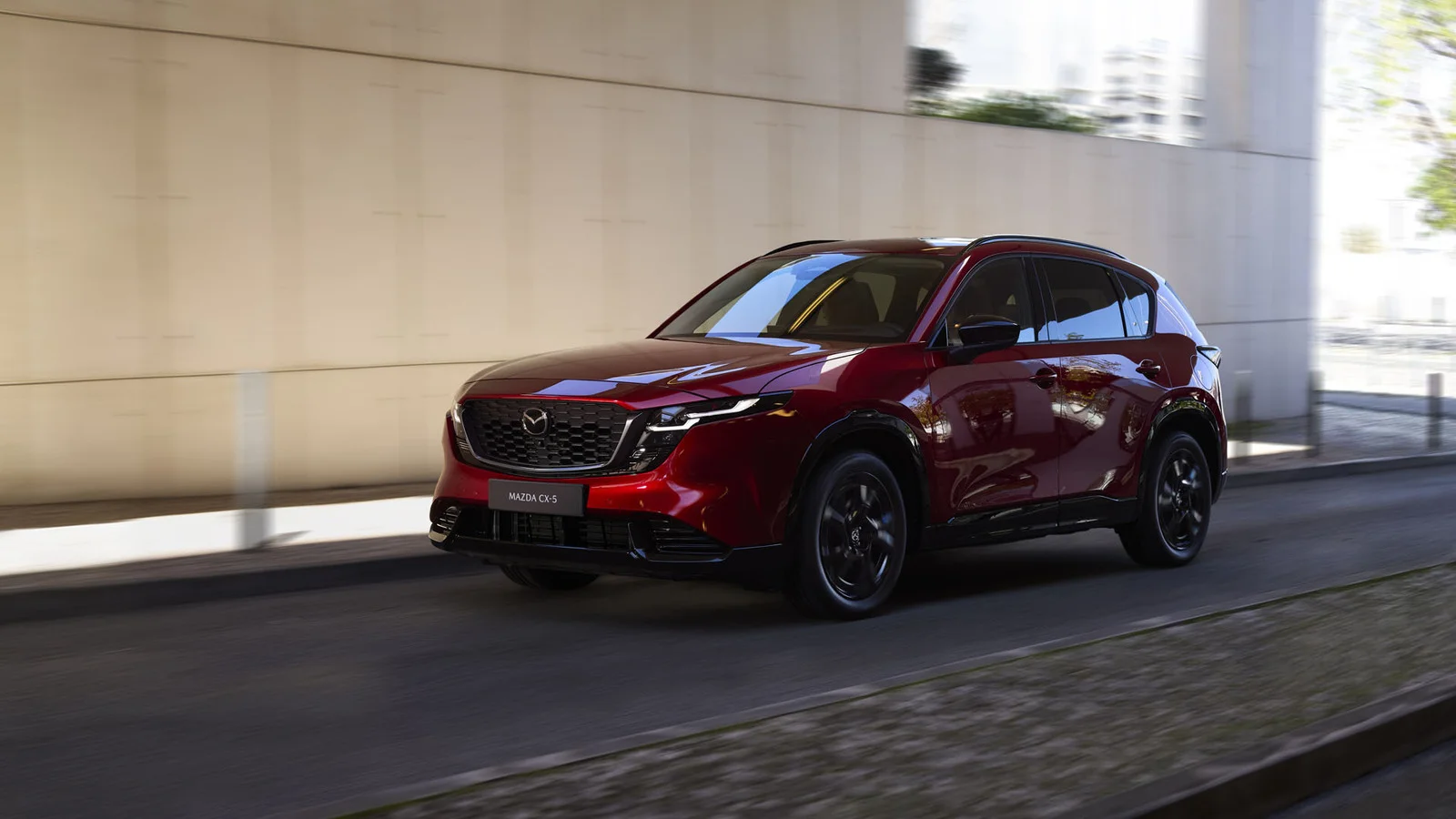
The 2027 Mazda CX-5’s biggest update is inside the infotainment system: every trim now supports Google’s Gemini assistant. Drivers can use voice commands for tasks they’d ask of a Google-enabled phone, keeping their attention on the road. That promise is straightforward, but its value will depend on how well the assistant handles ordinary requests in a moving car, where a useful answer needs to be quick and clear. The CX-5 also retains the driving character that makes it a distinct choice among compact crossovers.
The addition matters because infotainment has become one of the main ways drivers experience a vehicle day to day. A new assistant can make common interactions feel more natural, especially for people who already use Google services. But a voice interface isn’t automatically safer or easier simply because it’s voice controlled; it still has to understand what the driver wants without creating confusion or demanding repeated attention. The feature is best read as a meaningful cabin update, with its practical success left to real-world use.
There’s also a useful distinction between adding a new digital feature and changing the vehicle’s basic character. The 2027 CX-5’s headline technology arrives alongside a familiar powertrain and standard all-wheel drive, rather than a wholesale change to the model’s role. For shoppers, that means the decision still turns on the usual questions: whether the CX-5’s driving feel, equipment and price suit their needs, and whether its powertrain fits their priorities.
All-wheel drive comes standard across the lineup. Power comes from a 2.5-liter four-cylinder making 187 horsepower and 186 lb-ft of torque, paired with a six-speed automatic. The engine runs on regular 87-octane fuel. Those specifications describe a conventional setup, with no hybrid component in the CX-5 itself. There’s no hybrid CX-5; buyers seeking electrification in a Mazda crossover can look to the CX-50 Hybrid.
That choice gives the lineup a clear split. Drivers who want the CX-5’s familiar format get a single stated engine configuration and standard all-wheel drive, while shoppers specifically seeking a hybrid will need to consider another Mazda crossover. The CX-5’s fuel requirement is also plainly stated, which helps buyers understand one basic ownership detail before comparing models. Performance figures alone, of course, don’t tell the whole story: they don’t establish how quick the vehicle feels in everyday driving or how it compares in fuel economy.
Pricing, equipment and safety
The 2027 CX-5 starts at $31,485 including delivery for the 2.5 S Select. The S Preferred adds 19-inch wheels, while Premium and Premium Plus trims bring amenities such as leather seats and a power liftgate. The range tops out at $40,935 for the S Premium Plus.
The spread between the entry price and the top trim gives buyers room to weigh equipment against cost. The base price sets a clear starting point, while the higher trims add features that may make the cabin feel more finished for people who spend a lot of time in the vehicle. Still, a higher trim’s appeal depends on which amenities a buyer values; leather seats or a power liftgate won’t matter equally to everyone. The listed prices make the choices visible, but they don’t settle which version offers the best fit.
Wheel size is another part of that equipment story. The S Preferred’s 19-inch wheels are a specific upgrade, while the higher trims add convenience and interior features. For a shopper comparing versions, it’s worth looking at the full equipment list against personal priorities rather than treating the most expensive model as the default target. The range’s top price also makes the cost of stepping up from the starting trim easy to see, even if the source doesn’t spell out every difference between each grade.
Standard driver-assistance equipment includes radar cruise control, speed-limit and traffic-sign support, rear braking and cross-traffic assistance, blind-spot monitoring, and a driver attention monitor. These systems cover several common driving situations, from maintaining speed to alerting the driver to nearby traffic. Their presence across the lineup means buyers don’t have to move to a higher trim to get the listed assistance features. That’s a practical strength, though the names of the systems can’t tell a buyer how they’ll behave in every situation; familiarity and clear operation matter too.
Visually, the CX-5 remains mostly unchanged, so the updates focus on added cabin technology and standard equipment. That may suit owners who already like the model’s basic design, while giving them a specific reason to look at the new version: Gemini support across every trim. The limited exterior change also keeps expectations in check. This isn’t a redesign story; it’s a refinement of the parts drivers interact with most often.
A familiar driving-focused option
Mazda’s reputation for making crossovers enjoyable to drive remains part of the CX-5’s appeal. The new assistant adds a tech update, while standard all-wheel drive and a sub-$32,000 starting price keep the 2027 model positioned as a practical alternative to the Toyota RAV4 and Honda CR-V.
That positioning rests on a mix of familiar strengths rather than one dramatic change. The CX-5 pairs standard all-wheel drive with a conventional four-cylinder engine, offers several equipment levels, and keeps a driving-focused identity. Those traits may appeal to buyers who care about how a crossover feels behind the wheel as well as what it can do. But the specifications here don’t establish how it compares with those rivals on space, efficiency or performance, so shoppers will still need to judge those points for themselves.
This is more significant than it looks: putting the assistant in every trim means the feature isn’t reserved for buyers paying for the most expensive CX-5. That broad availability gives the technology a clearer role in the model’s update, even if its day-to-day usefulness remains something drivers will have to experience. (And this is the part most people overlook.) A feature listed on a spec sheet can shape a buying decision, but how often it proves useful is what will shape an owner’s opinion.
What the update means for buyers
If you’re working out whether the 2027 CX-5 belongs on your shortlist, start with the basics: the powertrain, standard all-wheel drive, price range and equipment you’d actually use. Then consider Gemini as an added convenience, rather than assuming its presence alone makes the vehicle a better fit. The CX-5’s familiar formula may be its strongest argument. A new assistant, with the same core driving proposition.
And yet, the update gives Mazda a concrete way to refresh the cabin experience without changing the model’s overall character. Buyers who value voice access may welcome that addition, while those who prioritize a hybrid will need to look at the CX-50 Hybrid instead. The result is a 2027 CX-5 that makes a targeted technology move, keeps its established mechanical setup, and asks shoppers to decide whether those priorities line up with their own.


Discussion
Sign in to join the discussion.