A British Columbia court rejected a driver’s claim that a test drive made him a dealership employee and ordered him to pay for Corvette damage.
A test drive turned into a costly dispute
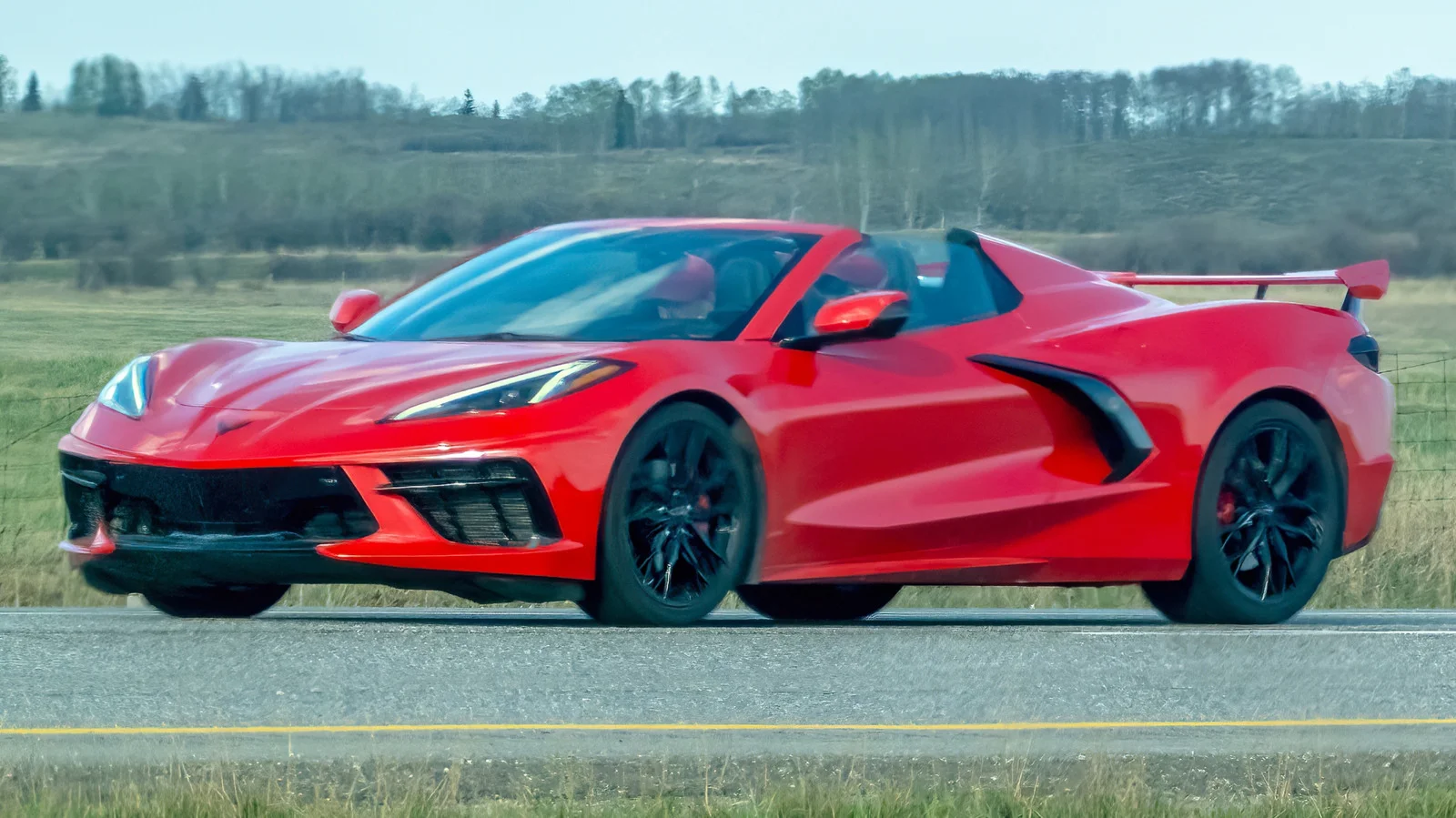
A test drive didn’t make Kirby Sewell a dealership employee, a British Columbia court ruled after he damaged a Chevrolet Corvette and argued the dealer’s insurance should cover the loss. The courts ordered him to reimburse the dealership CA$17,182 for repairs and the car’s reduced value. The decision turns on a distinction that matters well beyond this one car: permission to drive a vehicle doesn’t automatically transfer responsibility for damage to the business that owns it. Sewell’s argument depended on how a provincial law treated a person driving a dealer’s vehicle, but the courts didn’t accept that reading as a shield against his own conduct.
The dispute began in 2024, when Sewell ordered a new Corvette Stingray from Gardner Chevrolet-Buick-GMC. During a test drive, he stopped at a Flying J truck stop to take photos. He then sideswiped a concrete barrier, damaging the passenger side. Sewell declined to buy the car and disputed responsibility for the damage, prompting the dealership to sue. That sequence matters: the vehicle was being evaluated as a potential purchase, but the drive also took it away from the dealership and into ordinary road conditions, where the driver had to navigate the surroundings.
Courts reject the employee argument
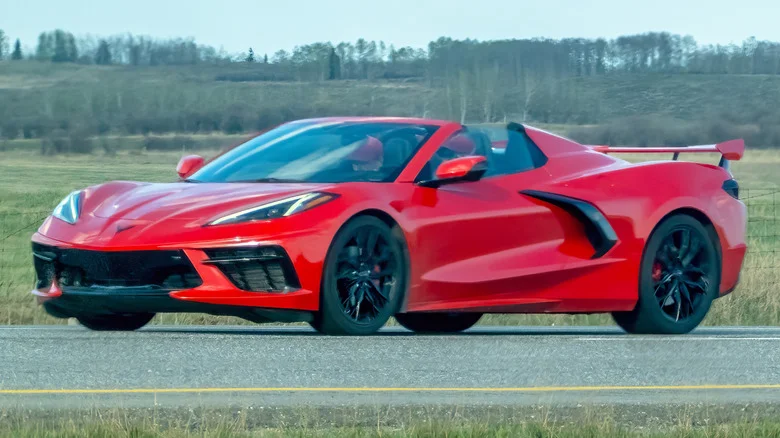
At trial in 2025, Sewell argued that British Columbia’s Motor Vehicle Act treated him as a dealership employee while he was driving the car, making the dealer’s insurance responsible. The judge rejected that interpretation, saying the law “is not intended to protect a negligent driver from their own negligence.” Sewell appealed, but the appellate court upheld the judgment and said his reading of the law “defies common sense.” The rulings leave the practical question in focus: what did the statute mean in this setting, and could its wording make the dealership responsible for a driver’s actions? The judges concluded that Sewell’s interpretation couldn’t do that work.
The distinction is easy to miss if “employee” is read as a simple label. In a legal dispute, the relevant issue is what a particular law says and what it was designed to address; a person’s temporary connection to a business doesn’t settle either point on its own. Here, the judge’s reasoning tied the statute to its purpose and rejected the idea that it was meant to excuse negligent driving. That’s a narrow but consequential reading: it kept the test drive from becoming an automatic route to the dealership’s insurance coverage.
The dealership spent about $7,000 on repairs and later sold the Corvette for $82,000 at a reduced price, according to Automotive News. Photos Sewell took at the truck stop were shown at trial; the court found they showed enough room to maneuver without hitting the barrier. The award therefore covered more than the repair bill: the court also considered the car’s reduced value after the damage. That distinction is familiar in vehicle claims, where fixing visible damage doesn’t necessarily restore a vehicle’s market value to what it was before a collision. The specific amounts here show how the cost of a brief incident can extend beyond parts and labor.
Test drive coverage can have limits
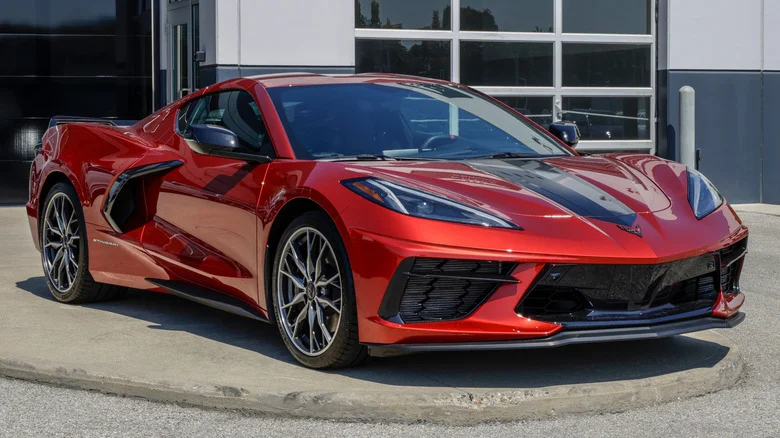
In the U.S., dealership insurance commonly covers prospective buyers on short test drives. Dealers may still ask for proof of personal insurance, especially for extended drives or overnight loans. After an accident during a test drive, the dealer may handle the deductible and repairs, but drivers found at fault could face costs beyond policy limits. Some dealerships also require drivers to pay the deductible, so the agreement’s terms matter before the keys change hands. That broad description isn’t a guarantee for every store or policy: coverage can depend on the specific arrangement, the length of the loan, and the rules that apply where the drive takes place.
That said, the U.S. insurance practices described here don’t determine the outcome of a British Columbia case. The comparison is useful mainly as a reminder that the phrase “the dealer’s insurance” can hide several separate questions: which policy applies, what it covers, and whether the driver may still owe money. If you’re working in this space, the paperwork and the circumstances of the drive deserve attention before anyone assumes the dealership will absorb a loss. A test drive is temporary. Responsibility can last much longer.
What the ruling means for drivers and dealers
This is more significant than it looks because test drives rely on trust as much as paperwork. Dealers hand over valuable vehicles so prospective buyers can judge how they feel on the road; drivers, in turn, need to understand the conditions attached to that access. The ruling doesn’t establish that every test-drive accident leaves the driver personally responsible, and the available facts don’t support that kind of sweeping conclusion. It does show that, in this dispute, the courts rejected a specific attempt to make a statutory employee classification carry the cost of damage caused by negligent driving.
And this is the part most people overlook: the photos Sewell took to document the stop became evidence the court could assess. They showed, in the court’s view, room to maneuver around the barrier. That detail helped connect the legal argument to the physical circumstances of the collision, rather than leaving the case to turn only on competing interpretations of insurance responsibility. The numbers here are underwhelming as a measure of the car’s full price, but CA$17,182 is still a substantial bill for a drive that ended without a purchase. A costly lesson in the limits of a test drive.
For shoppers, the practical takeaway is straightforward: ask what the dealership’s test-drive terms say before leaving the lot, especially when a drive is extended or involves a loan overnight. For dealers, the case underscores why clear procedures matter when customers take vehicles onto public roads. The ruling doesn’t settle every insurance question that could arise from a test drive, and it shouldn’t be read as a general rule for every jurisdiction. It does make one point hard to miss: getting permission to drive a car doesn’t, by itself, make the dealership responsible for the consequences of how it’s driven.
Discussion
Sign in to join the discussion.