Charles Brownlee’s appeal asks whether police need a warrant to use Flock camera records to trace a vehicle’s past movements.
A search for a car becomes a test of surveillance limits
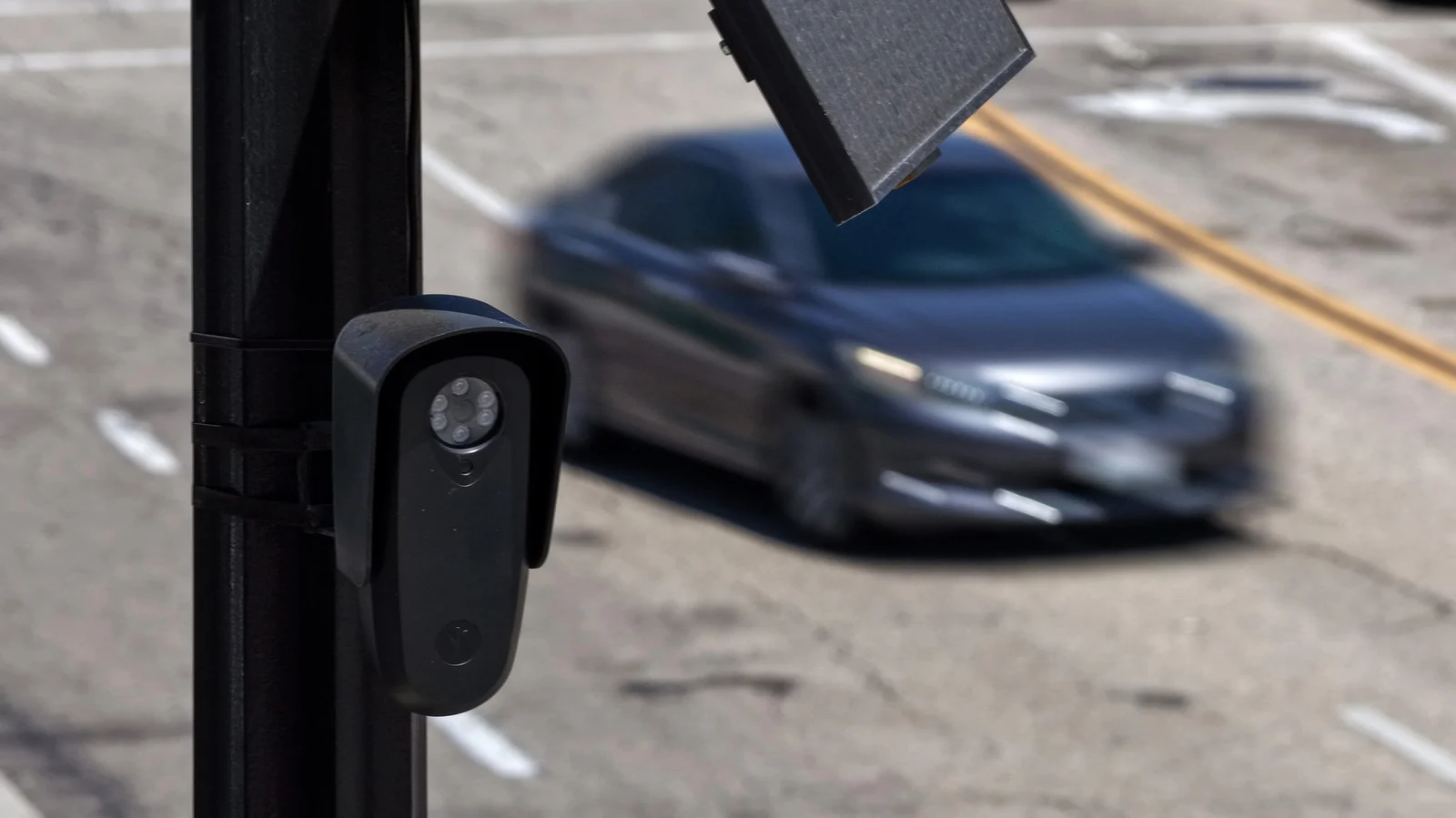
Police used records from Flock’s license-plate camera system to connect Charles Brownlee to five armed robberies in the Dallas-Fort Worth area in 2024. The case now before the Fifth Circuit asks whether investigators needed a warrant to search those records. That question reaches beyond a single prosecution: it concerns how police may use a searchable archive of vehicle sightings to investigate crimes.
Brownlee is challenging both his conviction and his 60-year prison sentence. His lawyers argue that investigators effectively searched his movements when they used camera records to reconstruct where a vehicle had been. The trial judge rejected that Fourth Amendment argument, and the appeals court must now consider whether the search crossed a constitutional boundary. The dispute turns in part on what counts as tracking when the records come from cameras that capture vehicles at particular points rather than following them continuously.
Flock’s system can be queried using vehicle descriptions and identifying details, not only a known license plate. According to Courthouse News, investigators started with eyewitness descriptions of a getaway car, found an SUV near multiple robbery scenes, and then searched the database to locate it. The sequence matters: the officers weren’t simply checking a plate they already had. They used a description to identify a vehicle and then turned to stored camera records to investigate its past locations.
That method can change what a camera network is capable of doing in practice. A single sighting may show that a vehicle passed one camera at one time; searches across records can help investigators connect sightings into a route or a pattern. The records still may be incomplete, since a camera captures a vehicle only where the system has coverage and only when it records a sighting. But gaps don’t necessarily erase the value of a search that links several observations.
Brownlee’s attorney, Matthew Wright, argues that using those records to piece together someone’s routine amounts to a search that requires a warrant. The government sees a difference between that kind of reconstruction and continuous surveillance. Justice Department attorney Michael Weisbuch told the court that the cameras capture occasional sightings rather than track a vehicle without interruption.
Chief Judge Jennifer Walker Elrod questioned whether that distinction would hold as camera networks become more widespread. A Virginia judge upheld Flock camera use in February, while warning that broader surveillance could change how courts assess it. The concern is practical: the privacy implications of a sparse set of records may differ from those of a system with enough coverage to make movement easier to reconstruct. This is more significant than it looks.
Earlier precedent leaves room for a broader challenge
The Fifth Circuit has already considered warrantless searches of license-plate data. In March 2026, it upheld a plate-reader alert in United States v. Porter, which helped police locate a vehicle associated with a man wanted for aggravated assault. That case gives the court a starting point, but Brownlee’s appeal raises a different question about how officers can search the underlying records.
In Porter, the court emphasized that the system provided periodic sightings from multiple cameras and couldn’t track a person’s movements as precisely as phone records. The court also acknowledged that investigators could use the data to retrace past travel. That acknowledgment leaves a tension in the ruling: records may be less precise than continuous tracking and still offer useful information about where a vehicle has been.
Brownlee’s case puts that capability in sharper focus because investigators searched for a vehicle based on its appearance. The distinction is between receiving an alert tied to a particular plate and using broader search tools to identify a vehicle first, then examine its recorded locations. Similar systems typically make stored observations more useful when users can query them in different ways. The legal question is how much that search method changes the nature of the surveillance.
And this is the part most people overlook: the camera’s individual act of recording and the investigator’s later search are separate steps. The first creates a record of a passing vehicle; the second can connect records that might otherwise remain isolated. The court’s analysis may turn on whether that ability to search and assemble past sightings creates a meaningful privacy concern under the Fourth Amendment.
Standing and other evidence complicate the appeal
Prosecutors raise a threshold objection as well. Brownlee was a passenger in his sister’s car, and the government argues that he has no standing to challenge the search of records associated with the vehicle. That argument could affect whether the appeals court reaches the broader constitutional issue at all.
The government also says other evidence helped investigators find Brownlee. If the court accepts that account, it may have to consider how the camera search fits into the investigation as a whole, rather than treating it as the only route to identifying him. The record described in the article doesn’t establish how much weight the court will give that point. It does show why the appeal involves both the scope of police access to data and the connection between that access and Brownlee’s conviction.
The court has set no deadline for a decision. Until it rules, the legal picture remains unsettled: earlier decisions have treated periodic camera sightings differently from the more precise tracking available through phone records, while acknowledging that plate-reader data can reveal past travel.
What the ruling could clarify
The central question is how much historical movement police can infer from scattered camera sightings before a warrant is required. The answer may depend on how the court weighs the amount of data available, the way investigators searched it, and the purpose of that search. A database can be less complete than continuous tracking yet still help police build a picture of a vehicle’s movements across multiple locations.
For people working with these systems, the distinction between an occasional alert and a retrospective search is a practical one. If you’re following the case, watch how the court describes the search itself: whether it focuses on the cameras’ intermittent recordings, the ability to query records by vehicle description, or the combined effect of those features. That framing could shape how similar searches are assessed in later cases.
Here’s the thing: a ruling on Brownlee’s appeal may clarify the Fifth Circuit’s approach to these records without settling every question about camera networks. The court could decide the case on standing or other grounds, or it could address when a search of historical sightings requires a warrant. Until then, the difference between a single recorded pass and a searchable history remains the issue at the center of the dispute.
Not a continuous trail.



Discussion
Sign in to join the discussion.