The PC vehicle simulator arrives on PS5 with 2kHz soft-body physics, extensive car customization and varied environments.
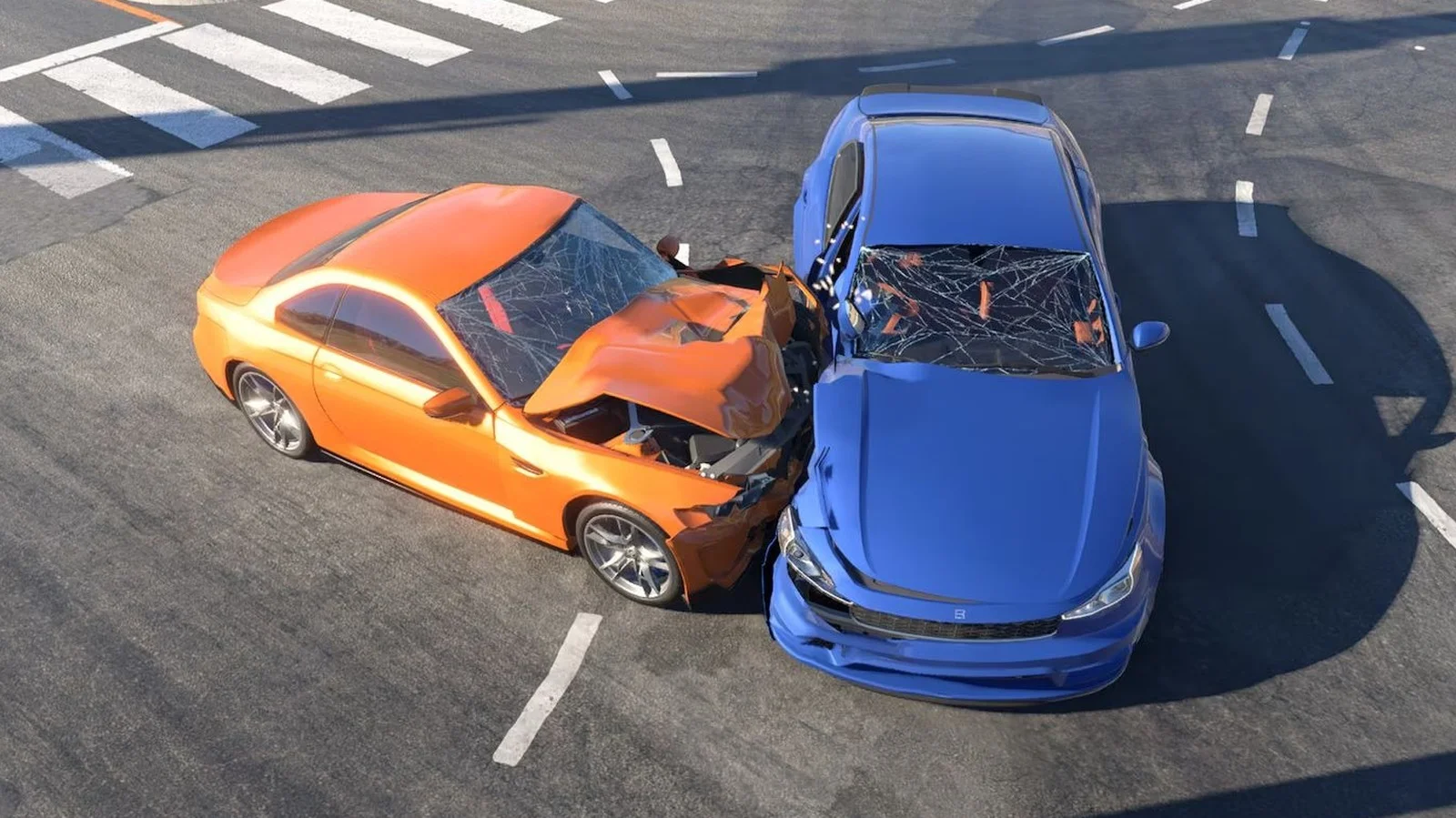
BeamNG.drive’s appeal on PS5 rests on a kind of simulation most racing games don’t prioritize: vehicles that crumple, bend and break in highly specific ways. More than a decade after its PC debut, the cult-favorite driving sim is now available on PlayStation 5 for $24.99 through the PlayStation Store. That price puts it within reach of players curious about its unusual approach, though the game’s value depends on what they want from a driving title. It’s built around experimenting with vehicles and environments, rather than reproducing a licensed-car collection or a conventional race career.
Its soft-body physics engine calculates vehicle components at 2kHz, or up to 2,000 times per second. In a collision, the chassis, engine and suspension can each sustain distinct damage. The result, shown in the PS5 trailer, gives crashes a level of mechanical detail that sets BeamNG.drive apart from conventional racers. A crash here can change how a vehicle behaves, not just how it looks. That distinction gives ordinary driving a different purpose: players can test what a vehicle can withstand, how damage affects control, and what happens when a carefully chosen route goes wrong.
A sandbox, not a licensed-car showroom
BeamNG.drive doesn’t aim to rival Gran Turismo or Forza on licensed cars. Its vehicles resemble real-world models but have noticeable styling differences, and players won’t find the latest Ford Bronco or Lamborghini Revuelto. That gap matters because recognizable cars are a major part of the appeal for players who want to drive specific models. BeamNG.drive instead puts its emphasis on how vehicles are built and how they respond to stress.
The game also leaves drivers out of the cockpit, a choice that makes its simulations feel less like a conventional on-road experience. That presentation can make the act of driving feel more observational: the vehicle and its movement take center stage, while the player’s view stays outside the cabin. For someone expecting the familiar perspective of a traditional racing game, that’s a clear difference. For someone interested in watching suspension, bodywork and handling react to a scenario, it fits the game’s priorities.
Customization and open-ended driving provide a different draw. Players can modify vehicles extensively, then take them through deserts, cities, mountain passes, race tracks, ports and airports. The range of settings supports everything from hauling semi-trucks to Gymkhana-style driving. Those activities don’t need to lead toward a single finish line; the appeal is in setting up a drive and seeing how the vehicle performs. Here’s the thing: a sandbox earns its keep through the variety of situations it makes interesting, and BeamNG.drive’s combination of vehicle changes, terrain and damage gives players several ways to create those situations.
From PC cult hit to PlayStation
BeamNG.drive joins a PS5 racing and driving lineup that includes The Crew Motorfest, Forza Horizon 5, Gran Turismo 7 and Assetto Corsa Competizione. Its closest point of distinction is the physics system, which grew from the developers’ earlier open-source simulator, Rigs of Rods, released in 2005. That background helps explain why the game’s identity centers on mechanical behavior rather than licensed cars or a tightly directed race structure. It’s a specific proposition, and a recognizable one for players who have followed its PC life.
The game runs on the open-source Torque 3D engine. For PS5 players, the price of entry is $24.99, with the main appeal being a customizable driving sandbox built around unusually detailed vehicle damage. The move to console makes that premise available to a different audience, but the essential question is whether the format suits them: players looking for a curated racing campaign may find the open-ended structure less compelling, while those who enjoy tinkering and testing may find it unusually absorbing. One tradeoff. And yet, the damage model gives even a simple drive a reason to keep changing the conditions.
What the PS5 release means for players
Bringing a PC cult hit to PS5 is significant because it puts the game’s central experiment in front of players who may not have encountered it before. The console version’s draw isn’t a promise of familiar racing polish; it’s the chance to explore a driving system where collisions have mechanical consequences. That difference could make the game feel fresh beside more conventional racers, but it also sets expectations the game can’t satisfy for everyone.
If you're working in this space, the useful comparison is less about how many cars a game offers and more about what its systems let players do. BeamNG.drive makes vehicle damage part of the activity itself, so customization and route choice can shape the experience in ways a race-focused game may not prioritize. This is more significant than it looks: damage isn’t merely a visual effect when it changes the condition of the chassis, engine or suspension. Whether that’s enough to sustain interest will depend on how much enjoyment a player gets from creating their own tests. For those who want structure, licensed models or an in-car view, the omissions are plain; for those who want a flexible driving sandbox, they’re part of a coherent design.


Discussion
Sign in to join the discussion.