Kia’s R&D chief is open to a GT-R-style halo car, but says the brand should first define what its GT badge stands for.
The opening left by the GT-R
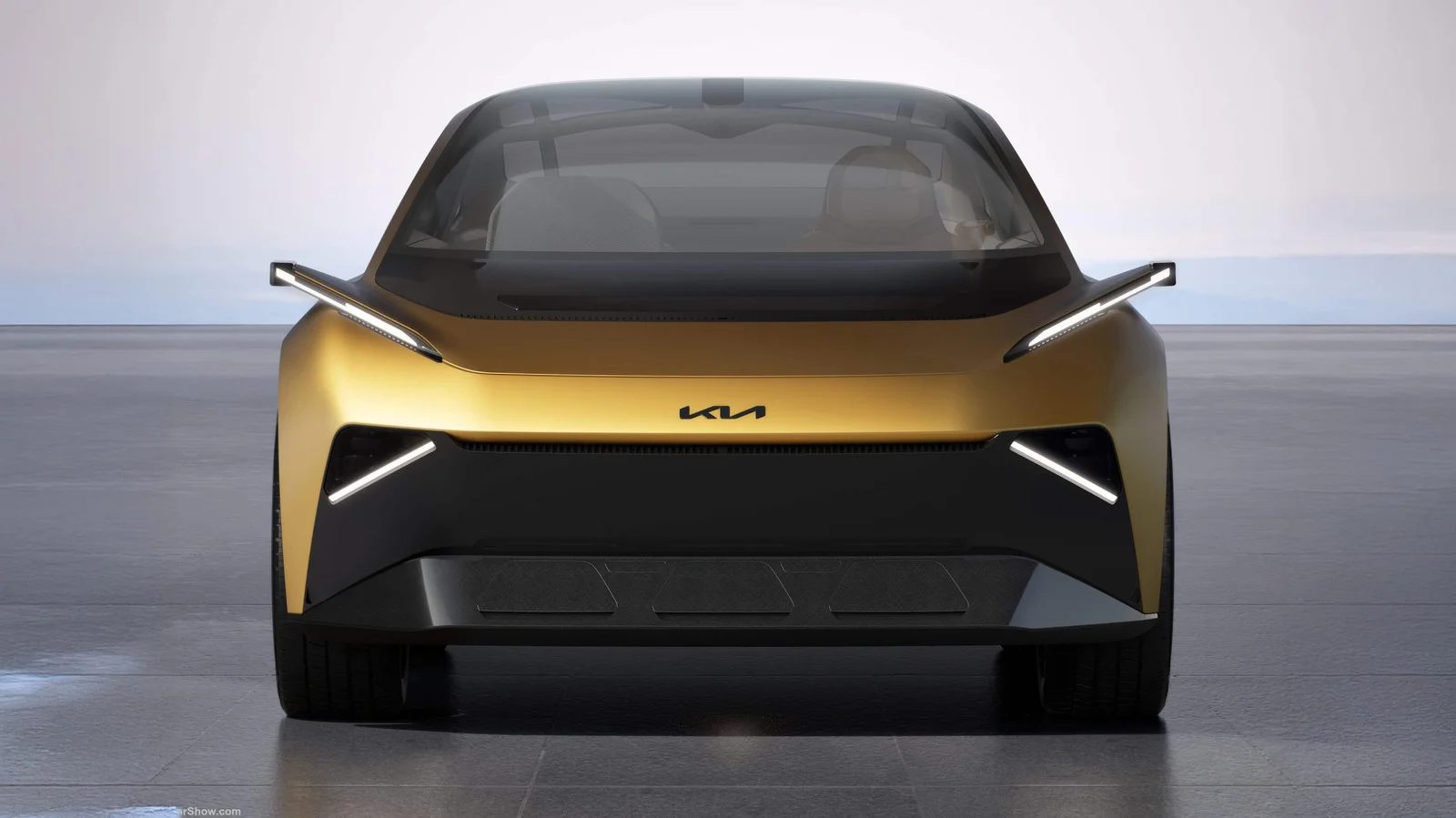
Kia may be eyeing the space left by the Nissan GT-R, but its next move appears more measured than a direct supercar rival. Hyundai Motor Group R&D chief Manfred Harrer says he likes the idea of a high-end performance car, while putting a dedicated Kia GT model first. That distinction matters: liking the idea of a flagship isn’t the same as committing to one, and Harrer’s comments describe a priority rather than a product plan. Kia’s immediate question is what its GT badge should mean to buyers, not how quickly it can build a car to challenge the most famous name in the category.
The Nissan GT-R ended production in August last year without a direct successor. Across nearly two decades, it paired supercar-level pace with a price below many cars it could outperform, giving Nissan a distinctive performance flagship. Its departure leaves room for another mainstream brand to claim that role, but the gap is more complicated than a vacant spot in a product lineup. A car like the GT-R builds its reputation over time, through a recognizable engineering approach and a clear place in the brand’s story. A new entrant would need more than impressive acceleration to make the comparison stick.
That’s why Kia’s measured approach is sensible. The GT-R comparison offers a useful reference point for the kind of role a flagship can play, but it doesn’t establish that Kia wants to reproduce the Nissan formula. The company would have to decide what it wants its performance cars to say about Kia, and whether a high-end model would support that message. There’s a difference between filling a market opening and giving a brand a lasting identity.
In an interview with Autocar, Harrer said of a potential flagship, “I like the idea. You see a lot of car makers going that way, so why not?” His experience at BMW and Porsche gives him familiarity with high-performance cars, but his immediate priority is establishing a clearer identity for Kia’s GT badge. The wording leaves room for ambition without promising a launch, a timeline, or even a final decision. Here’s the thing: interest from a senior engineering executive is a meaningful signal about the conversation inside a company, but it isn’t a commitment to put a car in showrooms.
Kia’s next step is defining GT
“I'm more [minded] to first talk about a dedicated model showing what GT stands for,” Harrer said. That would give the badge a distinct reference point before Kia considers pushing further upmarket. A dedicated model could help customers understand what distinguishes a GT from a regular Kia with more power or sportier styling. It would also give the company a consistent point of reference for future performance models, rather than leaving the badge to carry different meanings across different vehicles.
Kia has had performance models to build on, though they haven’t yet established one obvious flagship. The rear-wheel-drive-based Stinger served as a sporty sedan, while the EV6 GT delivered 641 hp (478 kW). That version is now taking a break from the lineup, leaving Kia room to reconsider how it expresses performance. The two cars also show that Kia’s performance credentials have crossed different vehicle types and powertrains. But a collection of capable models isn’t automatically a coherent performance identity; buyers need to see a clear connection between the badge and the experience it promises.
The GT-R comparison makes sense as a question of brand identity as much as speed. Nissan’s R35 combined a twin-turbo V6 and all-wheel drive with years of ongoing development, turning the car into a clear flagship. That history gave the model a recognizable character, and its role wasn’t defined by output figures alone. Kia has found success, but it still lacks an equivalent model that instantly defines the top of its range. That’s a higher bar than building a quick car. It asks Kia to make a vehicle that feels like the natural expression of its performance ambitions.
The badge itself has to do useful work. If GT is meant to signal a particular blend of speed, handling, and everyday usability, Kia needs to make that promise legible across its lineup. If you're working in this space, you’ll know how easily a performance label can become decoration when it isn’t backed by a distinct product. A dedicated GT model would give the company a chance to define the term through the car itself.
A halo car would come later
Harrer’s comments point to a step-by-step path: establish a dedicated GT model, then judge whether there’s a case for a more extreme car. Kia’s current performance focus has largely been on quick cars with everyday practicality. A machine aimed at Porsche territory would demand a different level of commitment, from engineering and development to the way the car sits within Kia’s range. The article doesn’t establish what form such a car might take, or whether Kia has begun developing one. For now, the priority is more basic: make GT mean something specific.
This is more significant than it looks, because the first dedicated model could shape how customers interpret every GT that follows. If it’s distinctive and convincing, it could give Kia a foundation for a more ambitious flagship. If the badge remains unclear, a costlier and more extreme car would have a harder job explaining why it belongs in the range. And this is the part most people overlook: a halo car can attract attention, but attention alone doesn’t create a performance identity. Consistency across the product story matters, too.
That said, building a clear GT identity doesn’t require Kia to copy the GT-R’s formula. The Nissan was a particular kind of performance flagship, shaped by its own engineering and history. Kia’s route could reflect its existing performance models and the choices it makes about future products. The important question is whether a dedicated model can give the badge a character that’s recognizably Kia, rather than simply inviting a comparison with a discontinued rival.
For now, there’s no announced GT-R successor from Kia. The useful signal is that the company’s R&D chief is open to the idea, while making clear that Kia needs to define its GT identity first. That’s a reasonable order of operations: a more ambitious flagship would have a clearer purpose if buyers already understood what Kia’s performance badge stands for. A dedicated GT could provide that reference point, though the comments don’t say when it might arrive or what it would be. A more extreme car remains a possibility to consider, not a confirmed next step.
For readers watching Kia’s performance plans, the next meaningful evidence will be the dedicated model Harrer describes and the character Kia gives it. A powerful car can make headlines; a well-defined one can give a badge staying power. Not a promise. A test of intent.
Discussion
Sign in to join the discussion.