A Toyota patent describes six simulated gears for EVs, hinting at a more involving electric LFA while leaving its V10 predecessor’s sound behind.
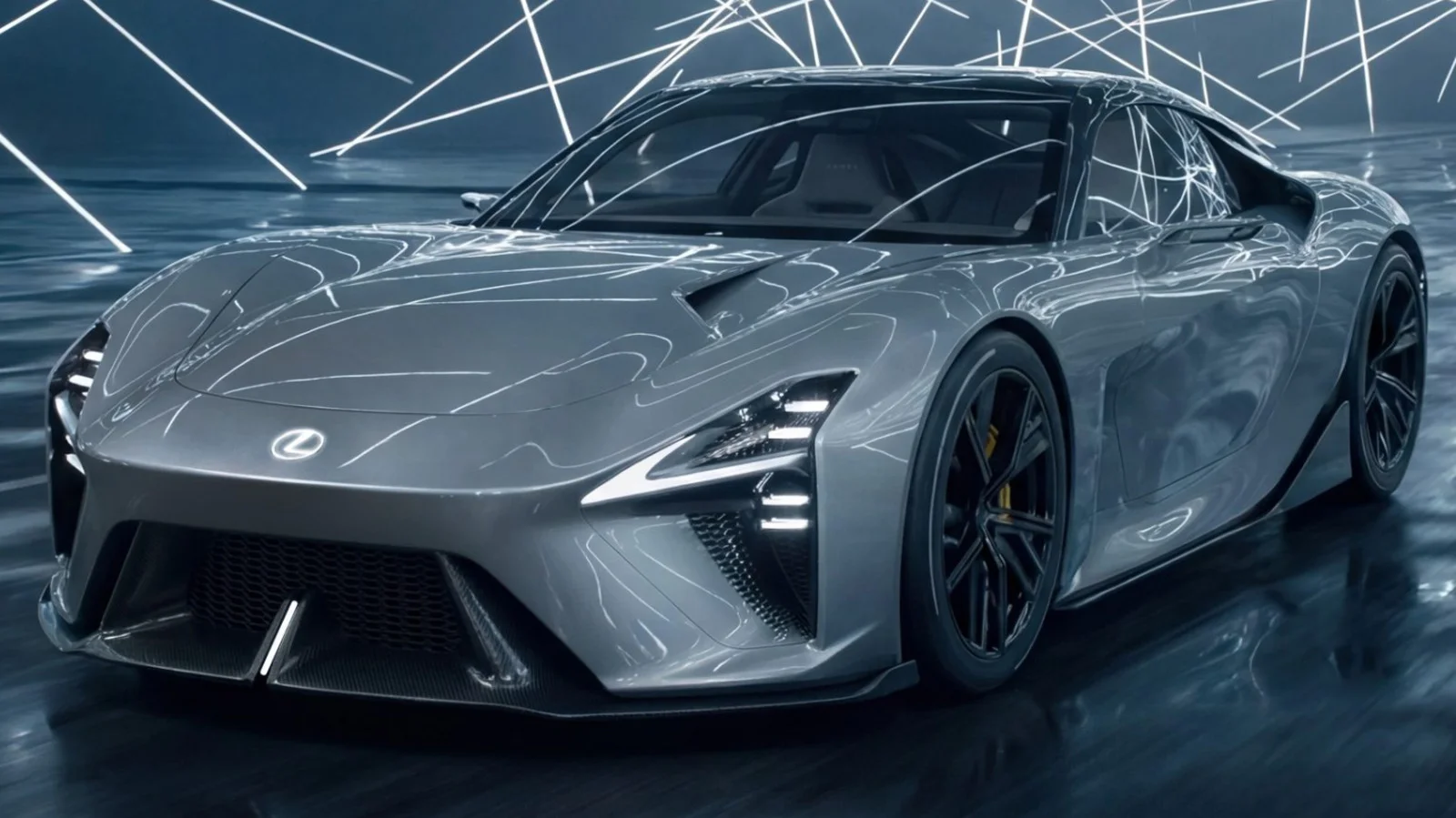
Toyota’s latest EV transmission patent points to a middle ground between a conventional automatic and the automaker’s earlier simulated manual: six virtual gears, with shifts controlled by paddles or a lever. The setup could give an electric Lexus LFA a more involving driving character, though no software can recreate the old car’s naturally aspirated V10. That distinction matters because the LFA’s identity has been tied as much to its engine’s sound and response as to its performance. A simulated gearbox can shape how a driver interacts with an electric car, but it can’t restore the physical source of those qualities.
The filing, reported by CarBuzz, describes adjusting motor torque across six ratios. During a shift, the system would briefly reduce power to reproduce the interruption drivers expect from a conventional transmission. Toyota says the approach could imitate either an automatic or a dual-clutch gearbox. That description suggests the system is designed to manage both the feel of a shift and the driver’s control over it, rather than simply displaying a chosen gear on a screen.
A shift experience without a clutch pedal
The patent outlines a sequential-style interface using paddle shifters or a traditional gear lever. That makes the concept distinct from Toyota’s earlier simulated manual, which included a shifter and clutch pedal. The earlier arrangement asks the driver to coordinate more actions, even though the car doesn’t need a mechanical clutch to transmit power. This newer design appears to preserve the familiar choice of gears while removing that extra layer of operation.
That difference could shape who finds the feature appealing. Some drivers enjoy the coordination and routine of a manual, while others want to select gears without managing a clutch pedal. A paddle or lever may make the experience easier to approach, particularly for drivers who want more interaction during spirited driving but don’t want a full manual-style simulation. The trade-off is clear: fewer tasks can make the system more accessible, but they may also make it feel less demanding than a clutch-based setup.
Hyundai has already put simulated shifting into production with the Ioniq 5 N, and has extended the idea to the Ioniq 6 N and Genesis GV60 Magma. Mercedes-AMG and Porsche have also pursued similar approaches. These efforts show that simulated shifts have become one way for automakers to address a familiar challenge: electric motors deliver power differently from combustion engines, so performance EVs can feel very direct but lack the changing cadence of a multi-gear car. Toyota demonstrated its own simulated manual in 2022, and this newer patent suggests it’s still exploring ways to make electric performance cars feel more mechanical.
This is more significant than it looks. A shift simulation can give the driver a sequence to anticipate and respond to, adding structure to acceleration that might otherwise feel like one continuous surge. But it remains an interpretation of mechanical behavior, created through software and motor control. The quality of the experience will depend on how convincing those cues feel from the driver’s seat, not on how many virtual gears appear in the specification.
A patent is a possibility, not a product plan
Patents describe possible technology, not a confirmed production feature. Toyota’s filing therefore doesn’t establish that a future Lexus will use this transmission, or that the company has settled on six simulated ratios for a production car. Still, the concept looks like a plausible fit for the next LFA if Lexus wants its electric flagship to offer more than rapid acceleration. A deliberate shift pattern could help distinguish the car’s driving character from an EV focused mainly on immediate response.
If you’re working in this space, the patent also points to a broader product question: how much familiar combustion-car behavior should an electric performance model retain? Simulated shifts can add a layer of control and ceremony, but they also reproduce sensations that electric powertrains don’t need for basic operation. For buyers, the appeal will depend on whether those sensations make driving more enjoyable or feel like an artificial overlay. There’s no answer in the filing itself.
What an electric LFA can—and can’t—recapture
Lexus revealed the second-generation LFA as a concept in December 2025. It shares an aluminum chassis with the V8-powered Toyota GR GT, though the LFA concept is electric. The shared platform points to a relationship between the two performance projects, while their different powertrains give them separate identities. The design could give Lexus a striking performance flagship, but enthusiasts may still miss the first LFA’s high-revving, naturally aspirated V10.
Simulated shifts can add rhythm and driver input; they can’t reproduce that engine’s sound or character. That’s the central limit of the idea, and it’s also why a transmission feature alone may not define the electric car’s appeal. The first LFA’s engine was a sensory part of the experience, not merely a way to deliver power. A software imitation could acknowledge that heritage, but it wouldn’t make the new car a continuation of the old one in every meaningful sense.
The battery question remains open
The production car’s battery technology may also set it apart. A recent report said the LFA could become the first Toyota Group production model to use solid-state cells, a technology the automaker has been developing for years. That report describes a possibility, not a confirmed specification, just as the transmission patent describes an option rather than a production commitment. Neither point tells us what the finished car will include.
For now, Toyota’s patent offers a clearer clue to how Lexus might make an electric LFA engaging from behind the wheel: give drivers a sequence of virtual ratios and let them call the shifts. Whether that proves compelling will depend on the execution and on what else the production car delivers. The missing V10 will still be missing. And yet, a thoughtfully tuned shift system could give the electric LFA a driving identity of its own.
Discussion
Sign in to join the discussion.