A class action lawsuit alleges GM’s CVT may cause complete power loss in several models, with over 358 consumer complaints reported.
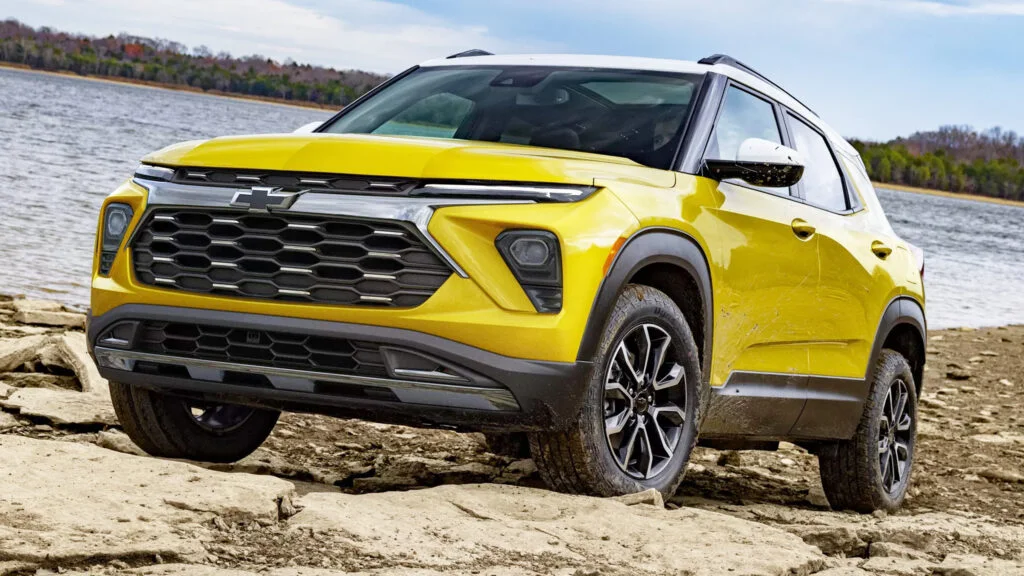
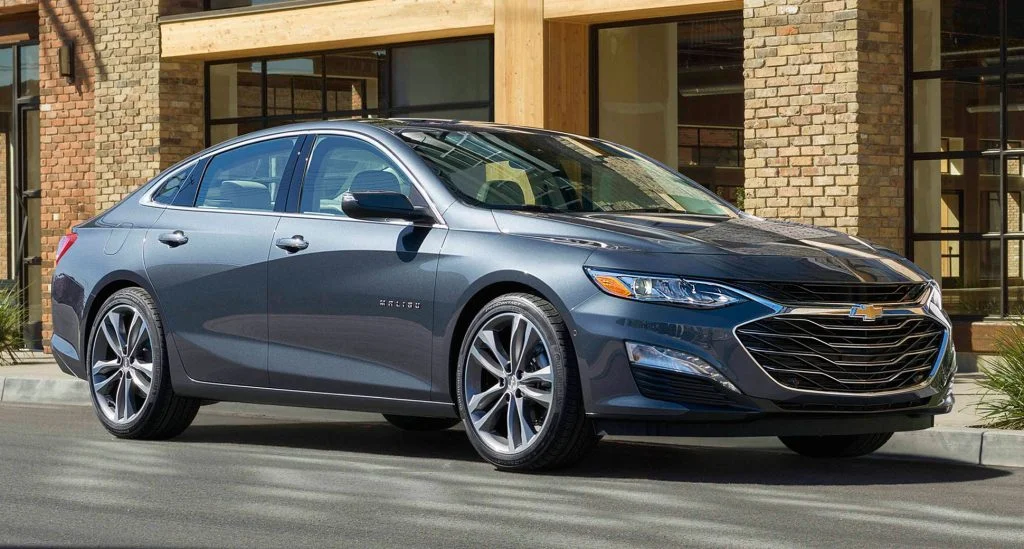
General Motors is grappling with a proposed class action lawsuit focusing on its continuously variable transmissions (CVT), which reportedly have serious reliability issues. Filed in Delaware, the lawsuit outlines concerns regarding models like the 2019-2025 Chevrolet Malibu, 2021-2025 Chevrolet Trailblazer, 2024-present Chevrolet Equinox, and the 2024-present GMC Terrain. Plaintiffs contend these vehicles employ a CVT that suffers from defects in critical components, including the clutch regulator and valve body. As consumer expectations for quality and reliability remain high, allegations of malfunctioning transmissions could not only damage GM's reputation but also its bottom line.
A Closer Look at the Plaintiff's Experience
According to John Williams, the plaintiff, issues with the CVT became apparent after he purchased a 2025 Chevrolet Equinox. At only 7,000 miles, Williams experienced rough shifting and delayed acceleration, which prompted him to alert his dealer immediately. This pattern of malfunction not only inconvenienced him, but also sparked a frustrating interaction with the dealership. Despite the ongoing CVT problems, they blamed the vehicle's front axles, replacing them but failing to address the underlying CVT issues—a scenario that is all too familiar for consumers who face similar problems. This offloading of responsibility highlights a systemic issue within GM's service departments, where diagnosing transmission issues can often be complicated and time-consuming.
Wider Impact of CVT Issues
The lawsuit claims a faulty CVT can lead to alarming conditions like slipping and a "sudden and complete loss of motive power" when driving. As outlined, there are at least 358 complaints lodged with the National Highway Traffic Safety Administration (NHTSA) that raise similar concerns across the mentioned GM models. These complaints aren't just isolated incidents; they form a concerning narrative that suggests a fundamental flaw in the vehicle's design or manufacturing process. Yet, the plaintiff argues GM has not taken significant steps to resolve these widespread issues, raising questions about the company's commitment to safety and consumer satisfaction.
This lawsuit isn’t just swimming in anecdotal evidence. It's indicative of a larger trend that consumers have begun to notice. Reports are emerging that GM has been aware of potential CVT failures since 2021 and may have misled dealers into informing vehicle owners that their cars were functioning "normally." Despite the issuance of various technical service bulletins, complaints persist regarding the CVT performance. Such discrepancies suggest a significant disconnect between corporate communications and real-world performance, which could have long-lasting repercussions for GM, especially if consumers feel their safety has been compromised.
Implications of the Lawsuit
Williams seeks damages not only for himself but also to represent all affected owners and lessees of the implicated GM vehicles in California. The goal is to shine a light on these mechanical failures and prompt GM to take more substantial action regarding these complaints. With a jury trial being requested, the outcome of this lawsuit could have significant repercussions for GM, should they be found liable. This could lead to substantial financial compensation for plaintiffs, as well as increased scrutiny on GM's practices in vehicle manufacturing and customer service.
In essence, this class action lawsuit pinpoints a serious reliability concern that could tarnish GM's standing in an automotive market where consumer trust is invaluable. Repairing a CVT can be costly and complex, often requiring expert knowledge and specialized tools. This situation will likely draw more attention from consumers considering these models now and in the future. If you're working in this space, understanding the potential fallout from this lawsuit could influence decisions on future vehicle purchases or leases.
Looking Ahead: Consumer Trust at Stake
As of now, the automotive community is watching closely, ready to see how GM will respond to these allegations and what measures it might undertake to reassure its customer base. The implications of this litigation extend beyond mere mechanical faults; they reach into customer trust and GM's responsibility to uphold quality in its vehicles. If GM opts for a strong response, it could mitigate potential damage. However, history suggests that companies often struggle to regain consumer confidence once it has been shaken.
What this means for you, the consumer, is that reliability should be a primary concern, especially if you're eyeing one of the affected models. A simple failure like a faulty CVT can lead to a cascade of larger issues, financially and operationally. The unfolding legal battle could redefine consumer expectations for reliability and powertrain integrity among vehicles designed for a modern driving experience. (And this is the part most people overlook.) For now, the spotlight is on GM, and it'll take more than just legal defense to repair the cracks in its reputation.



Discussion
Sign in to join the discussion.