Waymo's robotaxi fleet records 95% fewer serious crashes than human drivers, showcasing a transformative shift in vehicular safety.
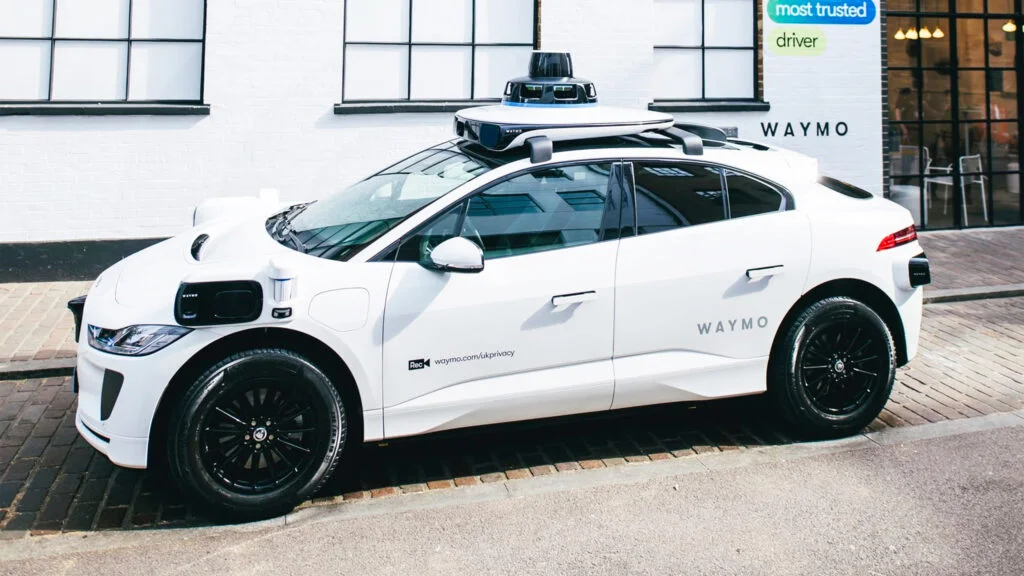
Waymo's latest analysis reveals a significant decline in the incidence of serious accidents involving its robotaxi fleet, demonstrating a marked improvement over human drivers. According to data drawn from an extensive 271 million miles of autonomous driving across key cities such as Atlanta, Austin, Phoenix, Los Angeles, and San Francisco, the self-driving cars show a striking reduction in serious crashes—95% fewer compared to traditional drivers. This is more significant than it looks. The scale of these findings could have profound implications for public acceptance of autonomous vehicles.
Analysis of Accident Data
The analysis indicates that during these miles, Waymo's vehicles were linked to 841 fewer injury-causing crashes than would be expected if human drivers were behind the wheel. Even more compelling, the robotaxis reported 93% fewer crashes involving pedestrians, 86% fewer with cyclists, and 82% fewer incidents with motorcyclists. These figures are particularly noteworthy given the widespread average of 15,000 daily crashes involving human-operated vehicles on US roads. It suggests that the technology could dramatically change how we think about road safety.
Here's the thing: in a society where the human error factor is often blamed for the overwhelming majority of accidents, Waymo’s statistics might provide a ray of hope. The fact that self-driving cars seem to excel in conditions that often lead to human error is critical. However, the larger conversation around safety is undoubtedly complex and multifaceted.
Real-World Implications for Road Safety
Waymo’s insights come amidst ongoing concerns about road safety, where approximately 100 people die in crashes each day in the United States. The data suggests that Waymo's autonomous vehicles not only protect their occupants but also significantly enhance the safety of other road users. However, the actual reduction in accidents might hinge on broader public adoption of these vehicles. If you're working in this space, you’ll recognize that technology alone won’t change public perception; societal acceptance also plays a crucial role.
Even as Waymo celebrates these figures, questions linger. How will regulators respond to this data? Will the public embrace a technology that still seems distant from everyday life? The perception of safety, especially among pedestrians and cyclists, might need more than just numbers to inspire trust.
Pedestrian Safety Highlights
A crystal-clear example of the Waymo technology's efficacy is showcased in a released video, depicting situations where the robotaxis successfully avoided collisions. In one instance, a pedestrian unexpectedly dashed into the robotaxi’s path from behind a parked vehicle, prompting an immediate stop that a human driver might not have executed in time. Another clip features a cyclist recklessly crossing against a red light, which the Waymo vehicle navigated without incident. This gives you a preview of how adaptive these systems can be, but it’s also a spotlight on the limitations that human reflexes bring to the table.
While these figures paint a positive picture, they may not fully encapsulate the extent of safety provided by autonomous vehicles. Reports suggest that around 60% of crashes causing property damage and approximately 32% of injury-causing incidents go unreported when human drivers are involved. This disparity calls into question the reliability of data concerning human-operated vehicles, and it begs the question of how comprehensive Waymo’s reporting really is. In contrast, companies like Waymo are obligated to record even minor accidents, offering a more complete view of the safety profile.
The Bigger Picture
This level of safety assessment could shift the narrative around autonomous vehicle technology. As public skepticism remains, the contrast between reported accidents by human drivers and the rigorous reporting of robotaxi incidents could bolster the case for self-driving technology. A significant gap in collision records indicates the potential for even greater safety achievements as autonomous systems continue to improve. Will this data help in breaking down barriers to acceptance? Maybe.
Interestingly, Waymo's announcement coincided with industry debates regarding the necessity of Lidar technology, a sensor system that some key players, including Tesla's Elon Musk, have dismissed as redundant. Waymo’s emphasis on Lidar seems foundational to the safety achievements they’ve documented, suggesting that such technologies play a key role in reducing accidents. However, this debate might overshadow the practicality of these systems in day-to-day operations, raising questions about what truly matters in developing safe vehicles.
Future Outlook and Significance
The data provided by Waymo not only underscores the capabilities of their autonomous vehicles but also serves as a prompt for further discussions on integrating autonomous technology into broader transportation strategies. As public platforms for dialogue grow, the conversations about liability, ethics, and social implications will likely intensify. Road safety could indeed witness a dramatic transformation as acceptance and deployment of robotaxis increase across the nation. The potential here isn't limited just to reducing crashes; it could redefine transportation as we know it.
As these technologies evolve, the conversation around driving safety may pivot significantly. With verifiable data backing their claims, companies like Waymo could challenge traditional paradigms, advocating for a future where autonomous vehicles dominate the roads with the promise of unprecedented safety. In other words, the implications of this data go beyond numbers; it could dictate the trajectory of not only autonomous technology but also our transportation policies and societal norms surrounding road use.


Discussion
Sign in to join the discussion.