Chevrolet is producing both the 2026 and 2027 Corvette models simultaneously, leveraging plant flexibility for various markets.
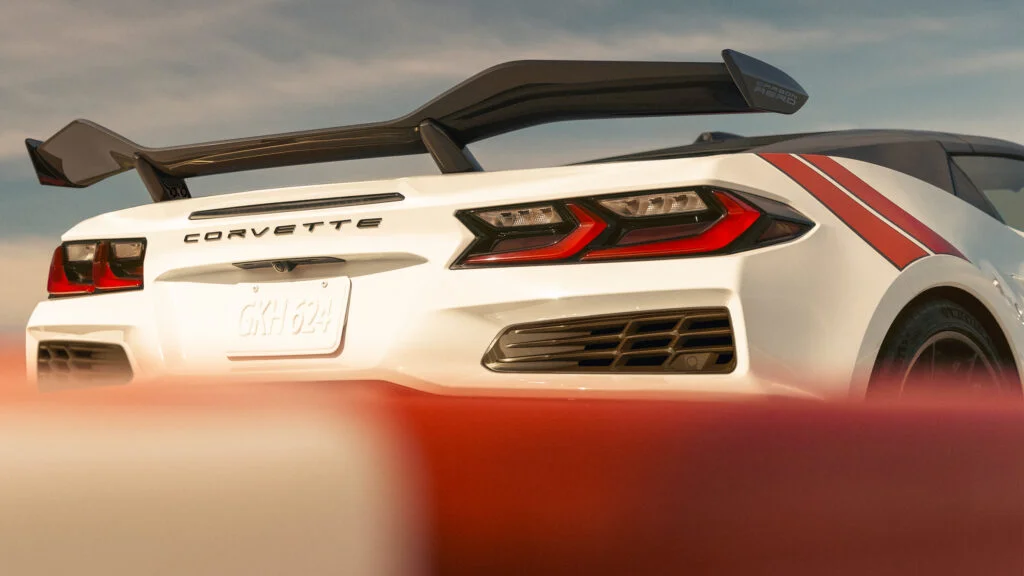
Chevrolet is currently producing both the 2026 and 2027 Corvette models at its Bowling Green assembly plant in Kentucky, marking a historic moment for the iconic sports car. The strategy reflects the company's ability to adapt to different market needs, as it continues to build the older 6.2-liter V8 alongside the newly launched 2027 models equipped with the advanced 6.7-liter naturally aspirated V8.
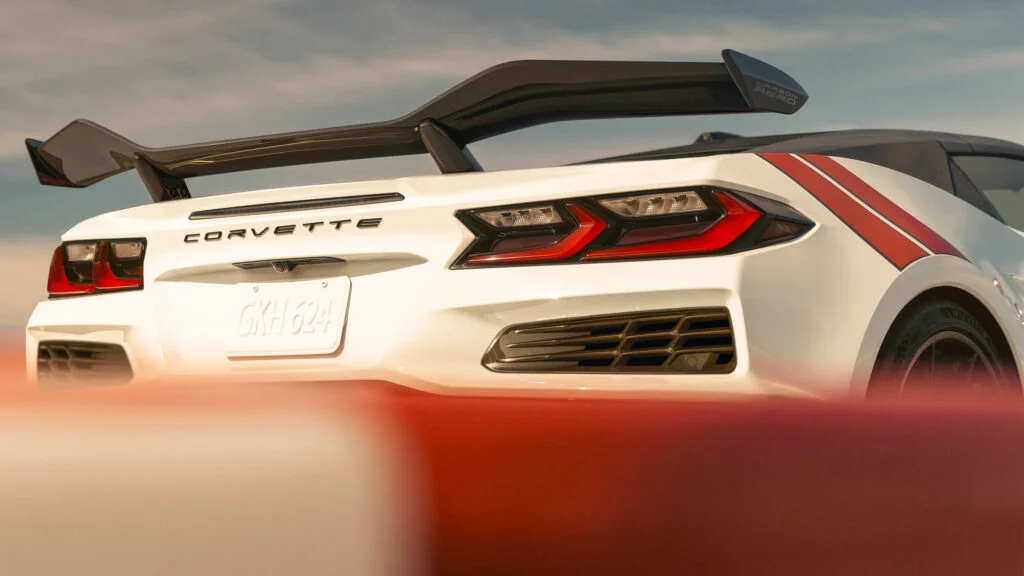
Chevrolet’s production decision reveals a unique flexibility in its assembly lines. Program engineering manager Trevor Hall confirmed during a recent press event in Australia that both model years are being manufactured concurrently. He emphasized, “We have an extremely flexible plant... despite the complexity we have between the different models, powertrains, coupes, convertibles, et cetera.”
Strategic Production for Global Markets
This dual production approach aims to satisfy a diverse range of markets, particularly for right-hand drive countries such as Japan, the UK, Australia, and New Zealand. The older 2026 models will continue to be produced for export, fulfilling the demand in regions where the new models haven’t been transitioned. Such strategy exemplifies how automakers can respond to both immediate and evolving market demands, ensuring they don't leave loyal customers behind as they introduce new models.
The reality is that consumer preferences differ significantly across regions. In markets where traditional engines are favored, Chevrolet’s decision to keep producing the 6.2-liter V8 allows them to cater to classic sports car enthusiasts who appreciate the nostalgic power and performance of older models. While the 2027 entry showcases cutting-edge advancements, sticking with the tried-and-true engine ensures Chevrolet doesn't alienate its customer base.
Hall declined to specify how long this simultaneous production will last but hinted that it wouldn't continue indefinitely. He stated, “We can’t build 26 [model year] as you get into the ’28 calendar year... providing that date is not something I can do right now.” This ambiguity serves as a reminder of the unpredictable nature of automotive production schedules. With supply chain issues persistently affecting the industry, Chevrolet's cautious approach seems prudent. If you're working in this space, having a clear picture of the timeline is essential for both planning and marketing strategies.
Adapting to Changes in Demand
The Chevrolet Corvette family is also diversifying its offerings. In addition to the older Stingray models, the factory continues to produce E-Ray variants for international markets. In North America, the E-Ray has been replaced by the Grand Sport X, which, like the 2027 Stingray, uses the latest 6.7-liter V8 engine. This adaptability ensures Chevrolet maintains its competitive edge as consumer preferences and regulatory standards evolve. Competition in the sports car sector isn't just about performance; it's also about compliance with regulatory challenges. With increasing pressure on emissions, offering a hybrid variant like the E-Ray might be Chevrolet's way of balancing performance and sustainability.
The fact that both models can be produced simultaneously illustrates Chevy's operational flexibility. It allows them to cater to varying consumer preferences while ensuring that no market segment is underserved during the transition to newer engineering standards. In an industry where manufacturing lines can often become rigid, Chevrolet’s decision here represents a forward-thinking approach, acknowledging that change is the only constant in the auto sector.
How this strategy unfolds in the coming months will be crucial for Chevrolet. The company is positioned to not only keep current enthusiasts engaged but also to attract new buyers drawn by the latest advancements in performance and technology. (and this is the part most people overlook) Successfully managing this transition could help Chevrolet solidify its position as a leader in the sports car market. However, if they miscalculate demand or fail to meet production targets, they risk disappointing both new and loyal customers alike.
Implications and Future Outlook
The implications of Chevrolet's simultaneous production strategy extend beyond immediate sales numbers. It represents a broader shift in how automakers might approach model launches in the future. As the automotive industry grapples with rapid technological advancements and shifting consumer expectations, the ability to adapt quickly without sacrificing quality or brand identity becomes critical.
This dual production strategy could influence how other manufacturers view their own production processes. If Chevrolet finds success by addressing varying market needs while preserving the essence of their iconic brand, we might see competitors adopting similar tactics. The commitment to addressing diverse consumer demands is significant—for whatever reason you might be drawn to a car, whether it's performance, nostalgia, or environmental consciousness, the automotive market needs to accommodate that.
In conclusion, Chevrolet's approach to its Corvette lineup during this pivotal time not only highlights its internal flexibility but also sets a precedent for the industry. As the automotive sector braces itself for the electrification shift, strategies like this one could be vital in maintaining a loyal customer base while attracting new car buyers who are eager for modern technologies.
Discussion
Sign in to join the discussion.