The 2027 Nissan Rogue Hybrid enters the U.S. market with a strong pricing strategy and features that aim to challenge the Toyota RAV4.
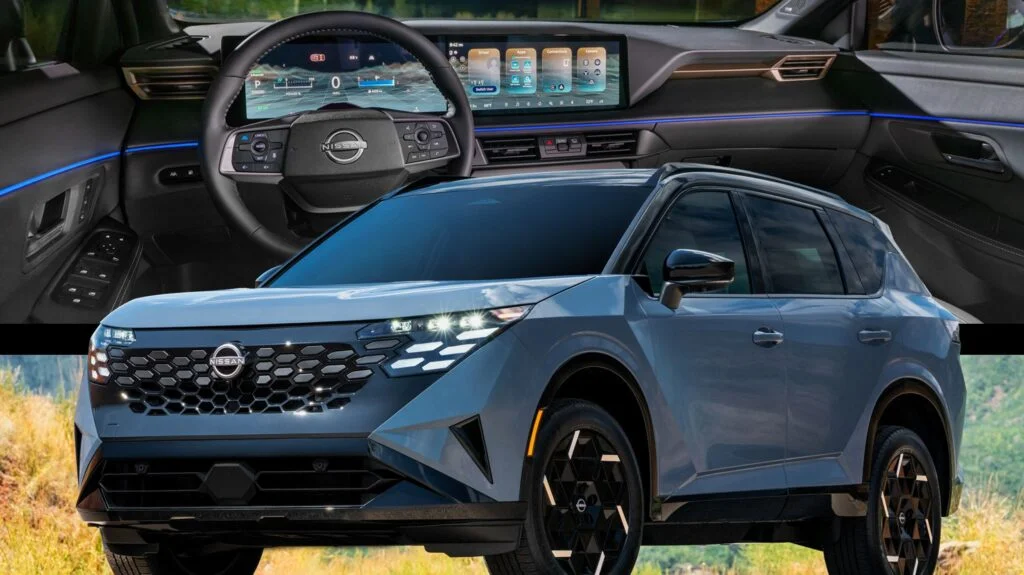
Nissan has unveiled the 2027 Rogue Hybrid, positioning it squarely against the popular Toyota RAV4 in the compact SUV segment. This new hybrid model features Nissan’s e-Power technology, which combines a 1.5-liter turbocharged engine and dual electric motors to deliver a potent 225 horsepower. Targeting not just performance but also efficiency, Nissan aims to challenge Toyota's stronghold in the hybrid market.
Starting at $35,490, the Rogue Hybrid offers standard all-wheel drive and a promised fuel efficiency of approximately 38 MPG combined. While this marks an improvement over the traditional internal combustion engine (ICE) variant, it falls short of the RAV4 Hybrid's impressive 42 MPG rating, which understandably raises questions about its competitiveness. Sales are set to commence in the fall of 2026, with a pricing range topping out at $43,490. The pricing strategy here reflects Nissan's commitment to positioning itself as a more affordable, yet technologically capable, alternative to rivals.
Design and Interior
While the Rogue Hybrid retains the overall silhouette of its ICE counterpart, the redesign introduces a bold front grille with a honeycomb pattern and updated LED headlights. This choice reflects a trend among automakers to create a more aggressive and visually striking front end, which often appeals to younger buyers. The profile is accentuated by sharp lines on the fenders and doors, contributing to a modern aesthetic. At the rear, redesigned taillights connect via an optional LED bar, enhancing visibility and giving the vehicle a more cohesive look.
The interior seeks to offer enhanced comfort, boasting more headroom and legroom compared to the RAV4, along with a cargo capacity of 31.1 cubic feet. A spacious interior is often a significant selling point in the compact SUV market, so Nissan seems to have placed a priority on passenger comfort. A digital instrument cluster and a 12.3-inch infotainment display come standard; meanwhile, higher trims feature dual 14.3-inch displays and a ten-speaker Bose audio system. Audio quality should resonate with tech-savvy consumers who place value on high-fidelity sound. This aspect of the Rogue Hybrid is designed to create a more immersive driving experience.
Notable technological features include an upgraded ProPilot Assist system, which now accommodates functions like Auto Lane Change and Hands-off Traffic Jam support. These advancements reflect the industry’s push towards automated driving technologies. For many consumers, this sort of convenience can be a differentiator, especially in urban environments. The center console introduces physical climate controls alongside a 15-watt Qi2 wireless charging pad, a feature that aligns with current user preferences for connectivity and convenience in tech adoption.
Powertrain and Performance
Equipped with a unique e-Power system, the Rogue Hybrid uses the 1.5-liter engine solely as a generator. This configuration allows the dual electric motors to drive all wheels continuously, enhancing driving dynamics and experience. Such an approach to hybrid technology offers not just improved efficiency but also a unique selling proposition compared to traditional hybrids that often feel less engaging to drive. The 1.67 kWh lithium-ion battery pack plays a crucial role in powering the motors, contributing to the vehicle's hybrid efficiency. It’s an important aspect of why this setup can bring a more engaging and responsive feel.
Nissan's e-Pedal technology enables regenerative braking with Smooth Stop technology, blending traditional brakes with regenerative capabilities to create a driving feel closer to that of an electric vehicle than a standard hybrid. This change in driving experience could appeal to environmentally conscious consumers looking for both performance and sustainability in their vehicle choices. But here’s the thing: while encouraging performance and efficiency, the actual impact of such technologies on everyday driving remains to be observed. Many consumers are still getting accustomed to the feel of regenerative braking, and this adaptation may vary widely among drivers.
Pricing Breakdown
The Rogue Hybrid will be available in multiple trims, including the SV AWD starting at $35,490, the SR AWD for $37,490, and the high-end Platinum trim priced at $43,490. All trims will see an increase of about $4,300 to $4,500 over their ICE equivalents. While this pricing reflects the added technology and hybrid efficiency, it still draws questions regarding its competitiveness in an already saturated market.
This pricing strategy places the Rogue Hybrid at a slight disadvantage against the RAV4, whose base model is approximately $2,190 cheaper than the Rogue Hybrid SV AWD. Some might view this as a strategic miscalculation, as price sensitivity can significantly influence buyer behavior in the compact SUV segment. However, for consumers looking for a compelling hybrid option packed with advanced tech, the Rogue could be attractive enough to sway buyers loyal to the Nissan brand.
2027 Nissan Rogue Hybrid Pricing
All prices exclude a destination fee of $1,575, and Nissan plans to begin rolling out the Rogue Hybrid to dealerships this fall. This positions the Rogue Hybrid as a noteworthy contender in the increasingly competitive hybrid market, but competition remains fierce.
Future Outlook
As the automotive industry undergoes significant changes due to shifting consumer preferences and regulatory pressures, Nissan's efforts with the Rogue Hybrid signal a focus on embracing hybrid technology while retaining the practical appeal expected from its compact SUV lineup. However, success won’t solely hinge on technological advancements; marketing, pricing strategies, and consumer perception will play equally vital roles. If you're working in this space, the Rogue's ability to attract buyers who might otherwise opt for the RAV4 will be something to watch closely. The implications of Nissan's approach could set trends for future models in the compact SUV market—and potentially redefine how hybrids are perceived.

Discussion
Sign in to join the discussion.