Volkswagen recalls over 200,000 SUVs due to potentially defective steering rack bolts, risking vehicle control. A replacement program begins soon.
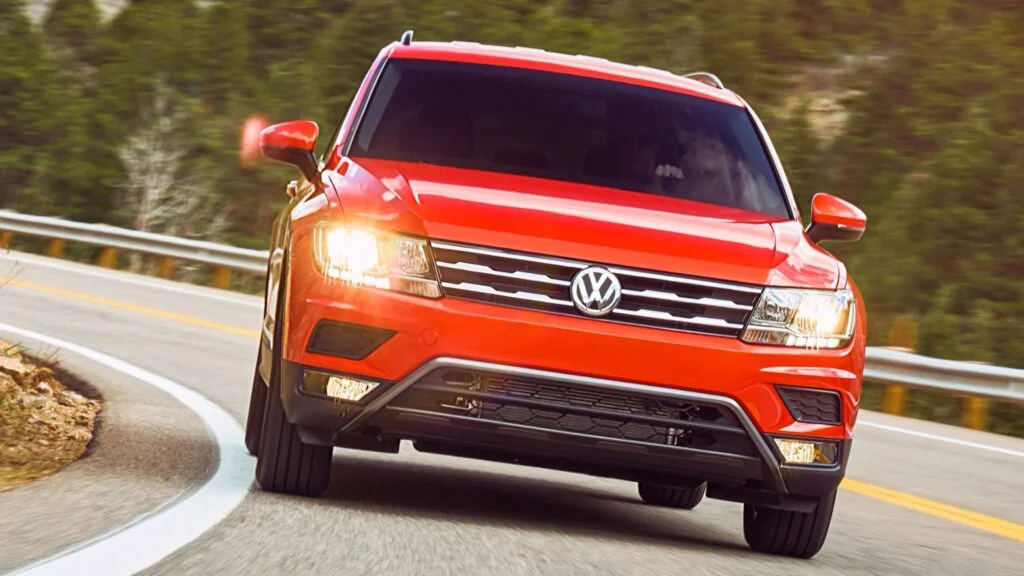
Volkswagen's recent recall impacts more than 208,000 SUVs across its lineup, with a significant issue centering on a steering rack bolt that may corrode and break. This concern touches the 2018 Tiguan, the 2018-2019 Atlas, and the 2019-2021 Audi Q3, highlighting a pressing safety vulnerability among popular models.
The Scope of the Recall
Owners of 85,713 Tiguan vehicles will receive notifications for the recall, while 82,601 Atlas owners and 40,410 Audi Q3 drivers can expect similar letters, starting in November. The affected vehicle bolts, particularly the right-hand steering rack bolts, are prone to moisture-related corrosion, leading to the risk of breakage. When you consider that these models represent some of VW's more popular offerings, the scope of this recall is not only large but also potentially significant for the automaker's reputation.
This isn’t an isolated incident for VW, whose history with recalls has sometimes left consumers scratching their heads. In an industry where trust hinges on reliability, a recall of this magnitude can raise red flags. It's a reminder that even established manufacturers aren't immune to oversights that could compromise safety. If you're working in this space, it’s a scenario to watch closely.
The Risks Involved
The potential fallout from a broken bolt is severe. If the bolt fractures while driving, the steering rack could precariously hang by a single remaining bolt attached to the subframe, jeopardizing directional control and significantly increasing the risk of accidents. VW suggests that the issue may manifest more visibly at low speeds, such as during parking, which adds an unsettling dimension to an already troubling defect. The thought of a steering failure while maneuvering your vehicle in tight spaces could be enough to cause anxiety for many drivers.
Vehicle safety features have come a long way, but hardware failures like this remind us of the critical vulnerabilities that still slip through the cracks. Driver confidence is built on the assumption that every component is engineered to endure typical wear and tear, and this incident shakes that foundation. This concern isn’t just theoretical; everyday drivers depend on their vehicles to perform consistently and safely, regardless of conditions or wear. The ramifications could be catastrophic, making it hard to overstate the seriousness of the situation.
Delayed Response and Consumer Trust
The automaker initially became aware of the corrosion issue back in October 2024. Surprisingly, it took nearly two years for the recall to be formally announced, raising concerns about the responsiveness of VW’s customer safety protocols. This long duration from discovery to action might leave many questioning the timeliness of their safety measures. It’s troubling that in an age of advanced technology and instant communication, it took VW so long to address a known safety risk.
Manufacturers have a responsibility not just to design reliable vehicles, but also to communicate issues transparently and promptly. The delay in taking action is particularly concerning for consumers who rely on these vehicles daily. When car manufacturers take longer than expected to rectify safety issues, it can severely damage trust — and for a brand like VW, which is already facing scrutiny in various markets, every misstep counts.
The Remedy and Its Implications
For those affected, the remedy is straightforward — VW will replace the compromised bolts with versions designed to withstand corrosion better, effectively addressing the flaw that could compromise vehicle safety. This proactive exchange aims to keep the steering systems securely attached to the vehicle’s structure. But you have to wonder: why wasn’t a more foolproof solution investigated sooner?
This incident speaks volumes about product design reviews and post-market surveillance in the automotive industry. While VW's initiative to replace the faulty parts shows a commitment to customer safety, it doesn't absolve them from criticism about their initial oversight. What could have been done differently to identify this defect earlier? Taking action is a good start, but the question remains whether they’ll implement better systems to prevent future lapses.
Consumer Awareness and Future Outlook
As consumers await further instructions, they are encouraged to be alert for any unusual noises from the front axle, which could indicate early signs of bolt failure. These warnings can be pivotal in preventing accidents. VW’s decision to act decisively on this recall is a critical step in maintaining consumer trust, especially given the stakes involved in vehicle control. Recognizing the importance of the consumer experience isn’t just good for sales; it's essential for the brand's long-term reputation.
In an age where automotive reliability is paramount, this incident underscores the need for manufacturers to prioritize safety over convenience. You might say the stakes have never been higher. The auto industry is facing increased scrutiny regarding safety protocols and ethical practices, and incidents like these are bound to shape public perception going forward.
What's clear is that VW's swift replacement initiative underlines an attempt to mitigate risks and restore confidence among drivers. The auto industry must always be on guard against complacency. As consumer expectations evolve, manufacturers are obligated to evolve with them — both in terms of product reliability and communication strategies. This recall may be a wake-up call for VW, and perhaps the entire automotive sector, to do better.

Discussion
Sign in to join the discussion.