The new Nissan Skyline, set to debut in December 2026, showcases an accelerated development timeline and a commitment to maintaining production in Japan.
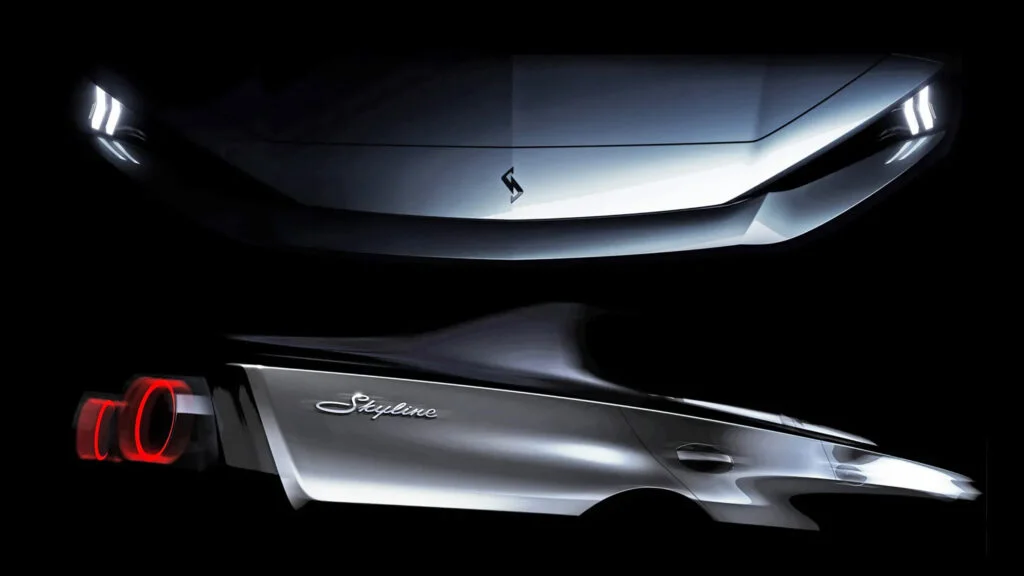
Excitement is building for the next-generation Nissan Skyline, which is slated to make its debut in December 2026. This significant announcement was made by Nissan President and CEO Ivan Espinosa, who emphasized the vehicle's iconic status within the brand. The Skyline has been a benchmark for performance and design, deeply rooted in automotive culture, not just in Japan but globally.
Engineering Milestones
Nissan's 14th-generation Skyline was first revealed in April 2026 through a series of teasers that hinted at design elements reminiscent of the classic Hakosuka model, featuring a bold front fascia and sculpted fenders that pay homage to its GT-R lineage. This decision marks a thoughtful nod to the past, signaling Nissan's intent to blend heritage and innovation—a strategy that can attract both longtime fans and a new generation of buyers.
According to Espinosa, the new model encapsulates not only a cherished brand legacy but also showcases Nissan's engineering prowess. The development of the Skyline has been notably swift, completed in just 26 months—half the time taken for its predecessor. This accelerated timeline is attributed to an advanced development process that heavily relies on AI and digital simulation tools, which streamline everything from initial design to testing phases. While rapid development can be a double-edged sword, the reliance on technology is likely to minimize human error and enhance precision in engineering, aspects that are critical in high-performance vehicles.
Design and Manufacturing Insights
With production confirmed to take place at Nissan's Tochigi plant in Japan, the company has quashed rumors about relocating manufacturing to China or the U.S. The Tochigi facility is becoming a dedicated hub for sports cars, already responsible for the production of models like the Fairlady Z. Concentrating manufacturing in Japan emphasizes Nissan's commitment to quality control and traditional craftsmanship, areas where the company has built its reputation. This could resonate well with consumers who value authenticity over mass production.
Though technical specifications remain under wraps, it’s likely the new Skyline will utilize its existing rear-wheel-drive architecture. This could lead to two potential paths for the powertrain: either a hybrid powertrain that aligns with global trends toward sustainability or a retention of the twin-turbo V6 engine with over 400 horsepower that has defined the Skyline's performance. Enthusiasts are particularly hopeful about the return of the six-speed manual transmission, especially as part of an expanding Nismo range. In a market that increasingly favors automatic transmissions, a manual option would stand out and make a bold statement about Nissan's understanding of its core audience.
Nissan's Commitment to Tradition
The Skyline has been described as a "symbol of Japanese engineering" by Espinosa, embodying both performance and emotional engagement. This idea of emotional engagement is telling; it suggests Nissan isn't just selling cars; it's offering an experience, a connection to Japan’s automotive history. He referred to it as "one of the icons" that will signify Nissan's ongoing renaissance in the automotive market. Maintaining this icon helps Nissan not just retain its market position but also reinforces brand loyalty among enthusiasts who view the Skyline as a piece of automotive heritage.
In a conversation with Japanese outlet Asahi Shimbun, he elaborated on the significance of the Skyline, emphasizing its cultural and historical relevance to the brand. This perspective highlights why Nissan is investing heavily in this new iteration; it’s not just a vehicle but a representation of innovation rooted in a rich legacy. In an era where many automakers are pivoting quickly, this rootedness could give Nissan a competitive edge, showing that respecting tradition can coexist with a forward-thinking strategy.
Future Directions
The new Skyline is anticipated to set the stage for an upcoming Infiniti model in North America, following in the footsteps of the previous generation. Traditionally, Nissan has used the Skyline to showcase technology that finds its way into the luxury Infiniti line. This approach doesn’t just elevate the Skyline; it reverberates through Nissan's entire portfolio, making innovations in one model applicable to higher-end counterparts. It's notable that the current V37-generation Skyline remains largely unchanged since its Japanese market launch in 2013, retaining its aesthetic and performance attributes in a market that takes frequent changes for granted. In such a fast-paced industry, this longevity signals a strong design and engineering quality that continues to resonate with buyers.
Nissan’s path forward suggests a blend of tradition and modernity, promising a product that respects its heritage while embracing the necessity of contemporary automotive innovation. What this means for you is that the Skyline could serve as a case study for how brands can balance nostalgia with the demands of modern consumers. That said, the challenge will be in executing this vision perfectly to meet expectations. After all, the stakes are high when you're reviving an icon. And while they’re taking significant steps to ensure this next-generation Skyline lives up to its legacy, the automotive community will be watching closely.
For further insights: Explore more about the Nissan Skyline or discover other Nissan models.

Discussion
Sign in to join the discussion.